 travelguaidewithme
Related Articles
When I was a student, travel felt like something other people got to do. The ones with better jobs, bigger savings, or parents who could fund a trip whenever they wanted. I used to scroll through photos online and assume that kind of travel simply was not possible for someone living off a tight student budget. It took me a while to realize how wrong I was.
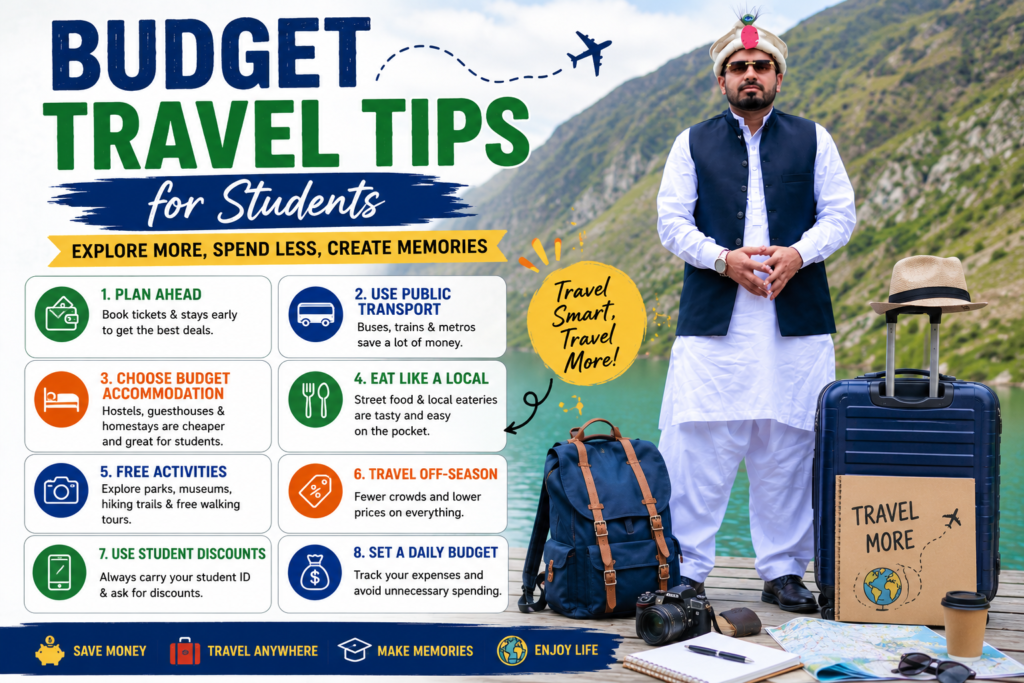
Over the years, through a mix of research, mistakes, and a lot of learning as I went, I figured out how to actually travel while still being a broke student. What I want to share in this article is not some generic list copied from a hundred other travel blogs. This is genuinely how I approach budget travel tips for students, based on my own trips, my own budgeting struggles, and the lessons I picked up along the way.
Why I Believe Every Student Can Travel
Before I get into the actual tips, I want to address something I hear a lot from other students. The idea that travel requires a huge amount of money simply is not true, at least not in the way most people assume. What travel actually requires is planning, flexibility, and a willingness to prioritize experiences over convenience.
When I started traveling as a student, I did not have savings, a steady income, or any kind of financial safety net. What I had was time, curiosity, and a genuine willingness to figure things out. That combination turned out to matter far more than the size of my bank account.
Start With a Realistic Budget
The very first thing I do before planning any trip is sit down and figure out exactly how much money I can actually spend. This sounds obvious, but I cannot tell you how many students skip this step and end up either overspending or talking themselves out of traveling entirely because they assume it will cost more than it actually will.
I break my budget into a few simple categories.
Transportation, including flights, trains, or buses Accommodation Food Activities and entrance fees A small emergency fund for anything unexpected
Once I have a rough number for each category, I know exactly what kind of trip I can realistically afford, and I stop guessing or assuming the worst.
How I Find Cheap Transportation
Transportation used to be my biggest expense until I learned a few tricks that genuinely changed how much I paid for getting around.
I always compare flight prices across multiple days instead of booking the first date I think of. Prices can shift significantly depending on the day of the week, and midweek flights are almost always cheaper than weekend ones in my experience.
I also set price alerts on flight comparison sites so I get notified when prices drop for routes I am interested in. This has saved me a genuinely surprising amount of money over the years.
For getting around once I arrive somewhere, I rely heavily on public transportation instead of taxis or rideshares. Buses and trains are almost always cheaper, and in a lot of cities they are actually a great way to see more of the local area than you would from inside a car.
Student discounts are another thing I never skip checking. A huge number of transportation providers, from airlines to local train systems, offer discounted rates for students if you simply show a valid student ID.
Where I Actually Save the Most Money: Accommodation
Accommodation used to eat up most of my travel budget until I started exploring options beyond traditional hotels.
Hostels became my go to option early on. They are significantly cheaper than hotels, and honestly, some of my best travel memories came from conversations with other travelers in hostel common rooms.
I also started using home sharing platforms, which often turn out cheaper than hotels, especially for longer stays where you can find better weekly or monthly rates.
One thing that genuinely surprised me was house sitting and home exchange programs. I did not know these existed until a friend mentioned them, but they allow you to stay somewhere for free in exchange for looking after a home or pet, or by swapping your own place with someone else for a set period of time.
Booking accommodation slightly outside the main tourist area has also saved me a significant amount of money. Prices tend to drop the moment you move even a short distance away from the busiest, most central parts of a city, and public transportation usually makes getting around just as easy.
Eating Well Without Spending a Fortune
Food is one area where I used to overspend without even realizing it. Eating out for every meal adds up incredibly fast, especially in touristy areas where restaurants know they can charge more.
Now I try to strike a balance. I still want to enjoy the local food scene, because that is genuinely part of why I love traveling, but I have learned a few ways to keep costs down.
I look for accommodation with access to a kitchen whenever possible, even if it is just a small one, so I can cook simple meals like breakfast or lunch myself.
I eat my main meal at lunch instead of dinner when I want to try a nicer restaurant, since lunch menus are almost always cheaper than the exact same dishes served at dinner.
I also pay attention to where locals actually eat rather than where the tourist crowds gather. Restaurants near major attractions tend to charge more simply because they know people passing by are less likely to compare prices.
Grocery stores and local markets have become one of my favorite parts of budget travel. Not only do I save money, but shopping where locals shop gives me a much better sense of the culture and daily life of wherever I am visiting.
Free and Low Cost Activities I Always Look For
One of the biggest myths I used to believe was that a good trip requires spending money on constant activities and attractions. In reality, some of my favorite travel memories cost little to nothing at all.
Walking tours are one of my favorite discoveries. A lot of cities offer free walking tours run on a tip based system, meaning you pay what you feel the tour was worth at the end. These tours have taught me more about a city’s history and culture than most paid attractions ever did.
Museums and galleries often have free entry days or discounted hours, especially for students, so I always check this before assuming I have to pay full price.
Parks, markets, and simply walking around a new neighborhood have given me some of my best travel experiences, and none of it cost a single cent.
Student discounts show up here too. Many attractions offer reduced entry fees for students, so I make it a habit to always ask, even when it is not clearly advertised.
How I Plan Trips Around My School Schedule
As a student, my biggest constraint was never really money, it was time. I learned to plan trips around breaks, long weekends, and slower periods in my class schedule rather than trying to force travel into an already busy semester.
Shorter trips during long weekends became a great way to explore somewhere new without needing a huge chunk of time off. Longer breaks, like summer or winter holidays, became the time I saved for bigger trips that required more travel time to reach.
I also started looking into study abroad programs, since they often combine education and travel in a way that can actually be more affordable than a traditional trip once you factor in scholarships or program discounts available specifically for students.
Traveling With Friends Versus Traveling Alone
Both solo travel and group travel have taught me different lessons about budgeting, and I genuinely think both have their place depending on the trip.
Traveling with friends allows you to split costs on accommodation, transportation, and sometimes even meals, which can significantly lower the amount each person spends. I have taken several trips where splitting a rental between three or four people made accommodation costs almost negligible per person.
Solo travel, on the other hand, gives me complete control over my budget. I am not compromising on where to eat or what to do based on someone else’s preferences, which sometimes actually saves money since I can choose the cheapest option without needing group agreement.
Little Habits That Add Up to Big Savings
Beyond the bigger categories, I picked up a handful of smaller habits over time that genuinely made a difference in how far my money stretched.
I always travel with a reusable water bottle, since buying bottled water constantly adds up fast, especially in places where tap water is safe to drink.
I set daily spending limits for myself once I arrive somewhere, which keeps me accountable and stops me from overspending in the moment without realizing it.
I avoid currency exchange booths at airports, since they almost always offer worse rates than withdrawing money from an ATM once I arrive at my destination.
I also learned to be flexible with my plans. Some of my best experiences happened because I stayed open to changing my itinerary based on a tip from a local or a fellow traveler, rather than sticking rigidly to a plan I made months in advance.
Mistakes I Made Along the Way
I want to be honest about the mistakes that shaped how I travel today, because I genuinely think they are just as useful as the tips themselves.
I once booked a flight without comparing prices across different days and ended up paying almost double what I could have paid just a few days earlier or later.
I stayed in an overpriced hotel near a major tourist attraction once, simply because I did not think to check accommodation slightly further away.
I ate at restaurants directly next to famous landmarks more than once, only to realize later that walking two streets away would have gotten me the same quality of food for half the price.
Every one of these mistakes eventually turned into a rule I follow now, and that is really how a good approach to budget travel tips for students develops over time. You learn through experience, adjust, and keep improving your process with each trip.
Building Your Own Budget Travel Habits
If there is one thing I want you to take away from my own experience, it is that budget travel is not about restricting yourself or missing out. It is about being intentional with where your money goes so you can prioritize the experiences that actually matter to you.
I started keeping a simple note on my phone where I track average costs from past trips, which has made planning future trips so much easier since I already have a rough sense of what things cost.
I also stay flexible with my destinations. Sometimes the most affordable option is not the place I originally had in mind, and letting go of a specific destination in favor of a cheaper one has led me to some of my favorite trips.
Final Thoughts From My Own Journey
Looking back at my early days as a broke student assuming travel was out of reach, I genuinely wish I had understood sooner how achievable it actually was. It took research, a willingness to make mistakes, and a lot of small adjustments along the way, but eventually traveling on a tight budget became second nature to me.
If you are a student reading this and wondering whether travel is realistic for you right now, I want to tell you honestly that it is. Start small if you need to, plan carefully, stay flexible, and learn from every trip you take. The budget travel tips for students that I shared here came from real experience, real mistakes, and a genuine love for seeing the world without needing a huge amount of money to do it.
Travel does not have to wait until you have more money. Sometimes the best trips happen precisely because you had to get creative with very little, and honestly, those are often the trips I remember most fondly.