 travelguaidewithme
Related Articles



Traveling is one of life’s greatest joys, but it can also feel financially overwhelming if you do not plan carefully. The good news is that learning how to save money while traveling does not mean sacrificing amazing experiences. It simply means being smart about where your money goes so you can stretch your budget further and see more of the world without draining your savings.
In this guide, we will break down practical, realistic strategies for saving money before, during, and after your trip. Whether you are planning a weekend escape or a month long adventure, these tips will help you travel smarter without feeling like you are missing out.
Why Saving Money While Traveling Matters More Than You Think
A lot of people assume that travel is simply expensive by nature, and that there is not much you can do about it beyond picking a cheaper destination. In reality, the amount you spend on any trip depends far more on your choices than on the destination itself.
Two people can visit the exact same city and spend wildly different amounts of money, simply because one planned ahead and made intentional decisions while the other did not. Learning how to save money while traveling means you can take more trips, stay longer in the places you love, or put that extra money toward other goals in your life.
Start With a Clear Budget
Before you book anything, it helps to sit down and figure out roughly how much you want to spend on your trip overall. Without a clear number in mind, it becomes incredibly easy to overspend without even realizing it.
Break your budget into simple categories such as transportation, accommodation, food, activities, and a small buffer for unexpected expenses. Once you know roughly how much you can allocate to each category, it becomes much easier to make decisions that keep you within your limits.
Many travelers find it helpful to research average daily costs for their destination ahead of time. This gives you a realistic baseline to plan around instead of guessing and hoping for the best once you arrive.
Book Flights at the Right Time
Flights are often the biggest single expense of any trip, which makes them one of the best places to focus your money saving efforts.
Booking flights several weeks or months in advance generally leads to better prices, though last minute deals do occasionally appear for flexible travelers. Comparing prices across different days of the week can also make a noticeable difference, since midweek flights are often cheaper than weekend departures.
Using flight comparison tools and setting price alerts allows you to track fluctuations and book at the right moment rather than paying whatever price appears first. It also helps to stay flexible with your travel dates when possible, since shifting your departure by even a day or two can sometimes lead to significant savings.
Flying with budget airlines can save money too, though it is worth checking their baggage policies carefully, since extra fees can quickly add up and eat into any savings you thought you were getting.
Choose Accommodation Wisely
Accommodation typically makes up a large portion of any travel budget, so this is another area where smart choices lead to real savings.
Hostels remain one of the most affordable options for budget conscious travelers, and many now offer private rooms if you prefer more privacy while still saving compared to hotels. Home sharing platforms are another great option, especially for longer stays where weekly or monthly rates often bring the nightly cost down significantly.
Staying slightly outside the main tourist district can also lead to noticeably lower prices, especially in cities where public transportation makes getting around easy and affordable. Booking accommodation with access to a kitchen is another smart move, since it allows you to prepare some of your own meals rather than relying entirely on restaurants.
If you are open to it, house sitting and home exchange programs offer completely free accommodation in exchange for looking after someone’s home or pet, or by swapping your own place temporarily with someone else.
Eat Like a Local, Not a Tourist
Food is an area where travelers often overspend without realizing it, especially in touristy areas where prices tend to be inflated simply because of the location.
Seeking out restaurants a few streets away from major attractions almost always leads to better prices for the same quality of food. Locals rarely eat at the restaurants directly next to famous landmarks, and following their lead can lead to both better meals and lower prices.
Eating your main meal at lunch instead of dinner is another smart strategy, since many restaurants offer discounted lunch menus featuring the same dishes served at higher prices in the evening.
Visiting local markets and grocery stores allows you to prepare simple meals yourself, which not only saves money but also gives you a more authentic sense of the local culture and daily life. Street food, where it is safe and popular with locals, often offers incredible value and some of the most memorable meals of an entire trip.
Use Public Transportation
Taxis and rideshares can quickly eat into a travel budget, especially in cities where fares add up fast. Public transportation is almost always cheaper and, in many cities, offers a genuinely enjoyable way to see more of the local area than you would from inside a car.
Many cities offer multi day transit passes that provide unlimited rides for a flat fee, which can lead to significant savings if you plan to move around frequently during your stay. Walking, when practical, is another completely free way to explore a destination while soaking in details you might otherwise miss.
Take Advantage of Free and Low Cost Activities
One of the biggest myths about travel is that a great trip requires spending money constantly on paid attractions. In reality, some of the most memorable travel experiences cost little to nothing at all.
Free walking tours, offered in many cities on a tip based system, provide incredible insight into local history and culture without a fixed cost. Museums and galleries often have free entry days or discounted hours worth checking before assuming you have to pay full price.
Parks, markets, and simply wandering through a new neighborhood offer authentic experiences without spending a single cent. Checking local event calendars can also reveal free festivals, concerts, or cultural events happening during your visit.
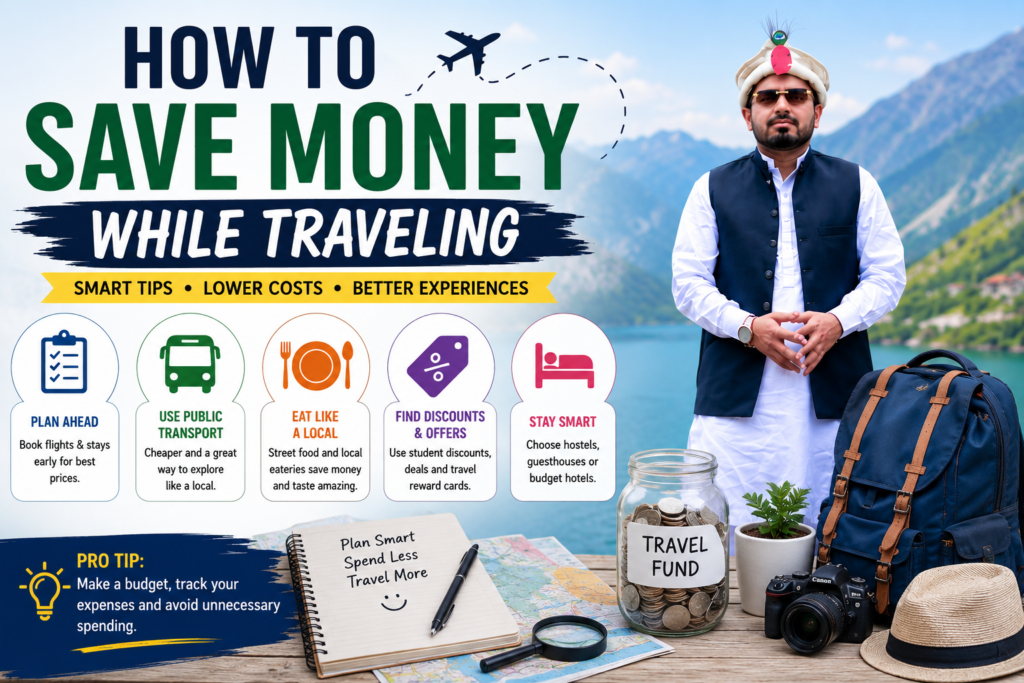
Travel During the Off Season
Timing plays a huge role in how much a trip costs. Traveling during peak season, when demand is highest, typically means higher prices across flights, accommodation, and even activities.
Visiting a destination during its shoulder or off season often means significantly lower prices, smaller crowds, and sometimes even better weather depending on the location. Researching the best time to visit your chosen destination before booking can lead to substantial savings across nearly every part of your trip.
Pack Smart to Avoid Extra Fees
Believe it or not, how you pack can directly affect how much you spend. Checked baggage fees, especially with budget airlines, can add up quickly if you are not careful.
Packing light enough to fit everything into a carry on bag can help you avoid these fees entirely. Bringing a reusable water bottle also saves money over time, since buying bottled water repeatedly throughout a trip adds up more than most people expect.
Packing a few basic snacks for travel days can help you avoid overpriced airport food, and bringing any specific toiletries or medications you regularly use can prevent the need to buy replacements at inflated tourist prices during your trip.
Be Smart With Currency and Payments
Currency exchange is another area where travelers often lose money without realizing it. Exchanging money at airport kiosks typically comes with poor rates and high fees, so it is generally better to withdraw cash from an ATM once you arrive at your destination.
Notifying your bank ahead of your trip helps avoid your card being flagged for suspicious activity, which can otherwise leave you stuck without access to funds. Using a card with no foreign transaction fees, where available, can also save a noticeable amount of money over the course of a longer trip.
Setting a daily spending limit for yourself once you arrive helps keep your budget on track and prevents small purchases from quietly adding up throughout the day.
Look Into Student, Youth, and Membership Discounts
Many travelers overlook discounts they actually qualify for. Students and young travelers often have access to reduced rates on transportation, accommodation, and attractions simply by showing a valid ID.
Membership programs through hostels, travel organizations, or even certain credit cards can unlock additional discounts on flights, accommodation, and activities. It is always worth a quick search before booking anything to see whether a relevant discount applies to your situation.
Travel With Others to Split Costs
Traveling with friends or family can significantly reduce costs per person, especially when it comes to accommodation and transportation. Splitting the cost of a rental home or apartment among several people often brings the price per person down to less than what a single hostel bed might cost.
Sharing transportation costs, whether that means splitting a rental car or a taxi to the airport, is another simple way to reduce expenses without sacrificing comfort or convenience.
Stay Flexible With Your Plans
Flexibility is one of the most underrated tools when it comes to saving money while traveling. Being open to changing your itinerary based on a good deal, a local recommendation, or unexpected weather can lead to both better experiences and lower costs.
Sometimes the most affordable option is not the exact plan you started with, and being willing to adjust can open the door to savings you would not have found otherwise. Travelers who stay rigid with fixed plans often miss opportunities that more flexible travelers take full advantage of.
Track Your Spending As You Go
It is easy to lose track of how much you are spending once you are actually on a trip and caught up in the excitement of a new destination. Keeping a simple daily log of your expenses, even just a quick note on your phone, helps you stay aware of your spending in real time.
This habit allows you to catch overspending early and adjust before it becomes a bigger problem later in the trip. Reviewing your spending after each trip also helps you plan more accurately for future travel, since you will have a realistic sense of what things actually cost.
Common Mistakes That Drain Travel Budgets
A few habits tend to quietly drain travel budgets more than people expect. Eating every single meal at restaurants near major attractions, exchanging currency at airport kiosks, booking accommodation without comparing options, and skipping research on free activities are all common culprits.
Overpacking can lead to extra baggage fees, while underpacking can lead to expensive last minute purchases at tourist prices. Avoiding these common mistakes goes a long way toward keeping your travel budget under control.
Final Thoughts
Learning how to save money while traveling is really about being intentional rather than restrictive. Small decisions, from where you eat to how you book your flights, add up to significant savings over the course of a trip.
None of these strategies require sacrificing the experiences that make travel meaningful. In fact, many of them lead to more authentic, memorable moments than the more expensive alternatives ever could. With a bit of planning and a willingness to make smart choices along the way, you can travel more often, stay longer, and enjoy every destination without constantly worrying about your budget.
Start applying even a few of these tips on your next trip, and you will likely notice a real difference in how far your money stretches. Traveling well and traveling affordably are not opposites. With the right approach, they go hand in hand.