 travelguaidewithme
Related Articles


Planning your very first trip to the mountains can feel a little overwhelming, especially when the destination is as remote as Kumrat Valley. I still remember how confused I was before my first visit, searching for information about the roads, the weather, and what to actually pack. That is exactly why I decided to put together this Kumrat Valley travel guide for beginners, so you do not have to go through the same confusion I did.
This guide is written for people who have never been to Kumrat Valley before and want a simple, honest walkthrough of everything they need to know. No confusing jargon, no unnecessary details, just practical information from someone who wants your first trip to go smoothly. Let us get started.
What Is Kumrat Valley and Why It Is Worth Visiting
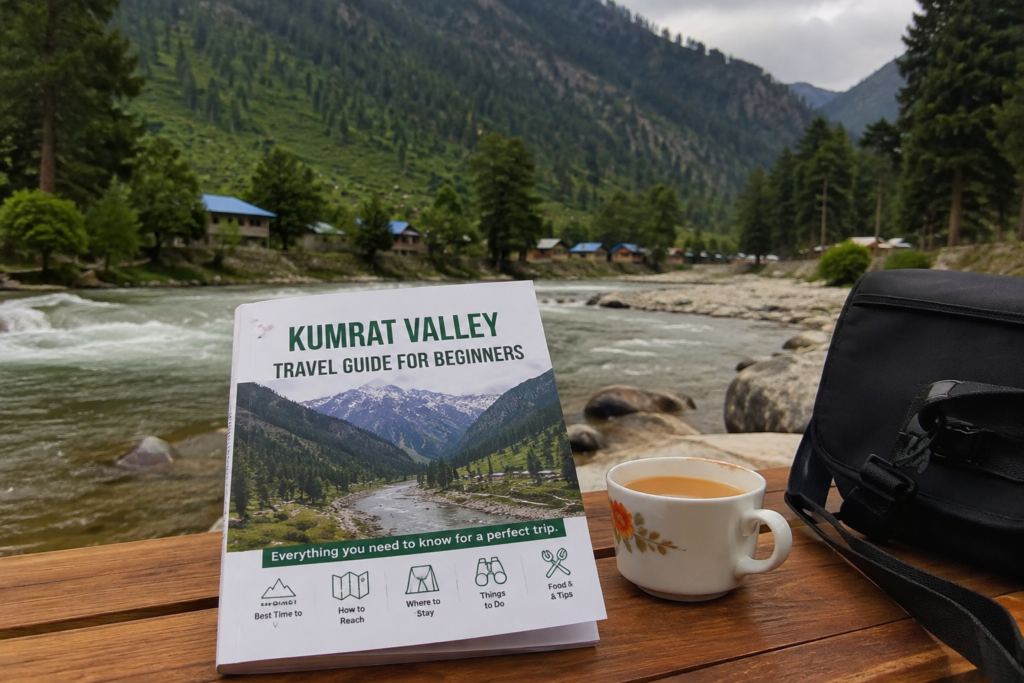
Kumrat Valley is located in the Upper Dir district of Khyber Pakhtunkhwa in northern Pakistan. It sits at an altitude of around seven thousand eight hundred feet, which gives it a cool climate throughout most of the year. The valley is famous for its thick pine and deodar forests, the clear waters of the Panjkora River, wide open meadows, and snow covered peaks in the distance.
For beginners, what makes Kumrat Valley special is that it offers a bit of everything. You do not need to be an experienced trekker to enjoy the valley, since there are plenty of easy spots to explore near the main road. At the same time, if you are looking for a challenge, the valley also has more demanding treks for those who want to push themselves further.
Compared to more developed tourist areas, Kumrat Valley still feels fresh and less crowded, which is part of its charm. As someone new to mountain travel, this makes it a great starting point because you get to experience real nature without dealing with the chaos of overly commercialized destinations.
Understanding the Basics Before You Travel
Before diving into planning, it helps to understand a few basic facts about Kumrat Valley that every beginner should know.
The valley is remote, and this affects almost every part of your trip. Mobile network coverage is limited, and in many parts of the valley you will have little to no signal at all. There are no ATMs once you enter the valley, so all your cash needs to be arranged beforehand. Roads leading into the deeper parts of the valley are rough and unpaved, which means regular cars often cannot make the full journey, and local jeeps are used instead.
None of this should scare you away. In fact, this is part of what makes Kumrat Valley special. But knowing these basics ahead of time means you can prepare properly instead of being caught off guard once you arrive.
How to Reach Kumrat Valley
For a first time visitor, the journey to Kumrat Valley can seem complicated, but once you break it down step by step, it becomes much easier to understand.
Most travelers begin their journey from Islamabad or Peshawar. From Islamabad, you will typically travel along the motorway before transitioning onto smaller highways that pass through Mardan, Malakand, and eventually Upper Dir. This part of the drive alone offers beautiful scenery, so do not rush through it.
Your next major stop will be Timergara, followed by Dir city, and then finally the small town of Thal. Thal acts as the last proper town before you enter Kumrat Valley itself, and this is where most travelers make an important switch. Since the road beyond Thal becomes rough and unpaved, running along the Panjkora River, most people leave their personal cars here and hire a local jeep to continue the journey.
The jeep ride from Thal into the main valley usually takes around one and a half to two hours, though this can vary depending on road conditions and the season. For a beginner, I would strongly recommend not attempting this stretch in a regular car, since the terrain can be genuinely difficult without proper off road capability.
If you are traveling from Peshawar, the route is fairly similar, connecting through Malakand and Dir before reaching Thal. Overall travel time from either Islamabad or Peshawar generally falls between seven to ten hours, so plan your departure early in the day to avoid traveling the final stretch after dark.
Best Time for Beginners to Visit Kumrat Valley
Choosing the right time to visit makes a huge difference, especially for someone experiencing Kumrat Valley for the first time.
Summer months, from May through September, are the easiest and most beginner friendly time to visit. The weather stays comfortable, roads are generally more accessible, and most guest houses and campsites are fully operational. If this is your very first trip to the valley, I would recommend starting with a summer visit before attempting trips during other seasons.
Autumn, covering October and November, is another excellent choice, particularly if you prefer fewer crowds. The forests change color beautifully during this time, and the overall atmosphere feels calmer. Just keep in mind that nights start getting colder, so pack accordingly.
Spring, mainly in April, can be lovely as the valley starts turning green again, though some higher altitude spots may still have leftover snow, which can limit certain trekking routes.
Winter, from December through February, brings heavy snowfall and very difficult access. Unless you are an experienced traveler prepared for serious winter conditions, this season is not recommended for beginners.
Planning Your First Itinerary
One common mistake beginners make is trying to see everything in a single rushed trip. My advice is to keep your first visit simple and realistic.
A comfortable beginner itinerary usually spans three to four days. Your first day should be dedicated entirely to travel, moving from your starting city to Thal and then into the main valley by jeep. Once you arrive, spend the rest of the day settling into your accommodation and taking a relaxed walk along the Panjkora River.
On your second day, focus on easier nearby attractions. Visiting Kala Chashma, a refreshing natural spring, is a great low effort activity that still gives you a real taste of the valley’s natural beauty. If you are feeling a bit more adventurous, a short walk toward Jahaz Banda Meadows can also be included, depending on your fitness level and the condition of the trail that day.
Your third day can be used for a slightly longer hike if you are physically comfortable with it, or simply spent relaxing by the river, enjoying the scenery, and taking plenty of photographs. For most beginners, attempting the full trek to Katora Lake on a first visit is not necessary, since it requires a good level of fitness and stamina. It is perfectly fine to save that particular trek for a future trip once you have more experience with mountain trekking.
Your final day should be reserved for the journey back home, ideally starting early in the morning to avoid traveling the rough jeep track after dark.
What to Pack for Your First Trip
Packing correctly can make or break your experience, especially as a beginner unfamiliar with mountain travel.
Clothing should be layered, since temperatures can shift quickly between warm afternoons and cold nights, even during summer months. A good jacket, a few t shirts, comfortable trousers, and at least one warm layer for the evenings are essential.
Footwear matters more than people realize. A solid pair of hiking or trekking shoes with good grip will make walking on uneven trails far more comfortable and safer than regular sneakers.
A raincoat or waterproof jacket is a smart addition, since weather in the mountains can change without much warning. Sunscreen, sunglasses, and a hat are also worth packing, since sun exposure at higher altitudes can be stronger than expected.
Since ATMs are not available within the valley, carry enough cash for your entire trip, including some extra for unexpected expenses. A basic first aid kit, including pain relief, bandages, and any personal medication, is important given the remote location and limited medical facilities nearby.
Finally, do not forget a good power bank, since electricity access can be limited in certain areas, and your phone battery may drain faster due to poor signal search.
Where Beginners Should Stay in Kumrat Valley
Accommodation in Kumrat Valley ranges from basic camping setups to small guest houses and a growing number of simple resorts along the riverbank.
For beginners who are not used to camping, I would recommend starting with a guest house or resort stay rather than jumping straight into tent camping. This gives you a comfortable base with proper beds and meals while you get used to the environment and remoteness of the valley. Many of these places are located right along the Panjkora River, offering peaceful views without requiring you to rough it completely on your first visit.
If you do want to try camping, even as a beginner, sticking to more established camping spots near the main valley, rather than remote locations like Do Janga, is a safer choice. Some tour operators and local vendors also offer tents and camping gear for rent, which is helpful if you do not own your own equipment yet.
Regardless of where you choose to stay, booking in advance is strongly recommended, especially if you are traveling during peak summer months when accommodation options can fill up quickly.
Easy Places to Explore as a First Timer
Since this is a beginner focused guide, I want to highlight a few spots that are relatively easy to reach and perfect for someone new to the valley.
The Panjkora River area is the easiest and most accessible attraction, requiring no real hiking at all. Simply walking along the riverbank, enjoying the sound of the water, and perhaps trying some local trout fish is a wonderful way to experience the valley without much physical effort.
Kala Chashma is another beginner friendly spot, offering a peaceful natural spring with cold, clear water. The walk to reach it is manageable for most fitness levels, making it a great introduction to the valley’s natural beauty beyond the main road.
Jahaz Banda Meadows, while requiring more effort than the previous two spots, is still achievable for many beginners with reasonable fitness, especially if approached at a relaxed pace. The wide open views once you arrive make the walk feel completely worth it.
I would suggest saving more demanding treks, such as the hike to Katora Lake or the trail to Badgoi Top, for a future visit once you have built up more confidence and stamina with mountain trekking.
Food and Water Tips for Beginners
Food options within Kumrat Valley are simple but satisfying. Most guest houses and local eateries serve traditional Pakistani dishes, including chappali kabab, karahi, and freshly baked naan. If you get the opportunity, trying freshly caught trout fish from the Panjkora River is highly recommended, since it is a genuine local specialty.
As a beginner, it is wise to carry some extra snacks with you, such as dry fruits, biscuits, or energy bars, especially if you plan on doing any walking or light trekking. While the water from natural springs like Kala Chashma looks incredibly clean, it is generally safer to carry bottled water or a proper water filtration method rather than drinking directly from unknown sources.
Safety Tips Every Beginner Should Know
Safety should always come first, especially in a remote destination like Kumrat Valley.
Always inform someone about your travel plans and rough itinerary before heading into areas with limited mobile signal. If you plan on doing any hiking, even on easier trails, try not to go completely alone, especially if this is your first time in the region.
Weather in mountainous areas can change quickly, so check forecasts when possible and avoid pushing forward on a trek if conditions start looking unstable. Since certain remote parts of the valley are home to wildlife, including musk deer and occasionally larger animals, it is best to stick to well known trails and avoid wandering into unfamiliar forest areas alone, particularly later in the day.
Respecting local customs is also part of staying safe and having a positive experience. Dressing modestly and being polite with the local communities will help you build good relationships during your trip, and locals are often more than willing to help travelers who show respect toward their culture.
Common Mistakes Beginners Make
Having spoken to many first time visitors, I have noticed a few common mistakes that tend to repeat themselves.
One frequent mistake is underestimating travel time. Because the roads leading into Kumrat Valley are long and, in some sections, quite rough, beginners often plan tight schedules that do not leave enough buffer time, leading to rushed and stressful trips.
Another common issue is not carrying enough cash. Since there are no ATMs within the valley, running short on cash can seriously limit what you are able to do or purchase during your stay.
Some beginners also try to attempt difficult treks, like the hike to Katora Lake, without proper preparation or a local guide, which can be both exhausting and potentially unsafe. It is always better to start with easier trails and slowly build up your confidence before attempting more demanding routes.
Lastly, packing too lightly for the weather is a mistake many first timers make, especially underestimating how cold the nights can get even during summer months. Bringing at least one proper warm layer, regardless of the season, is always a smart decision.
Budgeting for Your First Trip
For beginners, understanding rough costs can help with better planning. Transportation costs will depend on whether you are traveling by private car, hired van, or public transport to Thal, followed by the jeep hire for the final stretch into the valley.
Accommodation costs vary depending on whether you choose camping, a basic guest house, or a more comfortable resort style stay. Food costs remain relatively affordable, especially if you are eating at local eateries rather than more upscale resort restaurants.
It is always smart to carry a bit of extra cash beyond your estimated budget, since unexpected expenses, such as additional jeep trips or guide fees for optional treks, can come up during your journey.
Why Kumrat Valley Is a Great Starting Point for New Travelers
Many beginners feel intimidated by the idea of visiting remote mountain destinations, but Kumrat Valley strikes a nice balance for first timers. It offers enough infrastructure, including guest houses, local jeeps, and basic food options, to make the trip manageable, while still delivering that authentic, off the beaten path feeling that makes mountain travel so rewarding.
Unlike more physically demanding destinations that require serious trekking experience right from the start, Kumrat Valley allows you to ease into mountain travel. You can enjoy relaxed activities like walking along the Panjkora River or visiting Kala Chashma, while still having the option to challenge yourself further if you feel ready during your trip.
Frequently Asked Questions for Beginners
Is Kumrat Valley a good first mountain trip for someone with no trekking experience? Yes, Kumrat Valley works well for beginners because it offers a mix of easy, accessible spots along with more demanding treks that you can save for future visits once you gain more experience.
How many days should a beginner plan for their first visit? Three to four days is a comfortable amount of time for a first visit, allowing enough time to travel, settle in, explore a few easier attractions, and head back without feeling rushed.
Do I need any special gear for a beginner trip to Kumrat Valley? Basic gear such as good hiking shoes, layered clothing, a raincoat, and a first aid kit should be enough for a beginner focused trip that avoids the more demanding treks.
Is it safe for a beginner to travel to Kumrat Valley without a guide? For easier spots near the main valley, traveling without a guide is generally fine. However, for anything beyond basic trails, hiring a local guide is strongly recommended, especially for first time visitors unfamiliar with the terrain.
What is the biggest challenge beginners face when visiting Kumrat Valley? The rough road conditions and limited mobile network coverage tend to surprise most first time visitors the most. Preparing for this in advance, both mentally and logistically, makes a huge difference in how smoothly your trip goes.
Final Thoughts
Your first trip to Kumrat Valley does not need to be complicated or overwhelming. With a bit of preparation, realistic expectations, and a willingness to embrace the remoteness of the valley, you are set up for an unforgettable experience. Start simple, stick to manageable trails, stay somewhere comfortable, and let the natural beauty of the valley do the rest.
I hope this Kumrat Valley travel guide for beginners gives you the confidence and information you need to plan your first trip. Once you experience this valley for yourself, do not be surprised if you find yourself already planning a return visit to explore even more of what it has to offer.