 travelguaidewithme
Related Articles
If you love green forests, cold rivers and mountains that touch the sky, then Kumrat Valley should be on your travel list. I have always believed that Pakistan hides some of its best treasures in the north, and Kumrat Valley is one of those hidden gems that still feels untouched by mass tourism. When people ask me about the best places to visit in Kumrat Valley, I always tell them one thing first: this is not just a destination, it is an experience that stays with you long after you return home.
In this guide I am going to walk you through everything you need to know about Kumrat Valley. We will talk about how to reach there, when to visit, the best places to visit in Kumrat Valley, where to stay, what to eat, and a few tips that I wish someone had told me before my first trip. So grab a cup of tea and let us explore this beautiful valley together.
Where Is Kumrat Valley Located
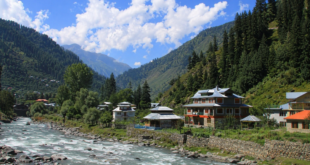
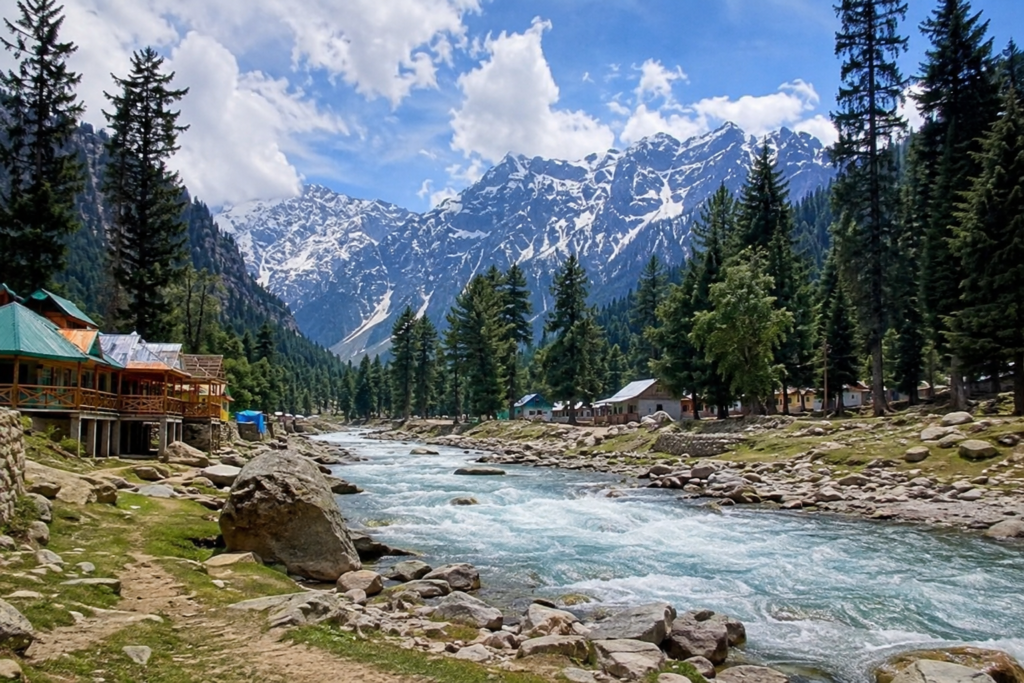
Kumrat Valley sits in the Upper Dir district of Khyber Pakhtunkhwa, tucked away in the northern part of Pakistan. It rests at an elevation of around seven thousand eight hundred feet above sea level, which gives it that cool and refreshing climate even during the peak of summer. The valley is surrounded by tall deodar and pine forests, snow capped peaks, and the clear waters of the Panjkora River that flow right through it.
What makes Kumrat Valley special compared to other northern destinations like Hunza or Swat is that it still feels raw and natural. There are fewer hotels, fewer crowds, and much more peace. If you are someone who wants to escape the noise of the city and reconnect with nature, this valley will not disappoint you.
How to Reach Kumrat Valley
Getting to Kumrat Valley is part of the adventure itself. Most travelers start their journey from Islamabad or Peshawar, and the road takes you through some stunning scenery before you even reach the valley.
From Islamabad, the journey usually takes around seven to nine hours depending on the route and road conditions. You will travel along the motorway, pass through Mardan and Malakand, and eventually reach Timergara and then Dir. From Dir, a smaller road leads you toward Thal, which is considered the gateway town to Kumrat Valley.
Once you reach Thal, the real adventure begins. The last stretch from Thal to Kumrat Valley is a rough, unpaved track that winds along the Panjkora River. Regular cars can struggle here, so most people hire a local jeep from Thal to complete this part of the journey. The jeep ride itself is thrilling, with the river on one side and thick forest on the other, and it usually takes about one and a half to two hours to reach the main valley.
I always suggest starting early in the morning from wherever you are coming from, because the roads can get tricky after dark, especially the jeep track near Thal. If you are traveling with family or elderly people, keep this in mind and plan your timing accordingly.
Best Time to Visit Kumrat Valley
Timing your trip well can completely change your experience of the valley. Kumrat Valley looks different in every season, and each season has its own charm.
Summer, which runs from May to September, is the most popular time to visit. During these months the weather stays pleasant, with daytime temperatures between fifteen and twenty five degrees Celsius, and cool nights that are perfect for camping. This is also when most of the higher trekking routes, including the path to Katora Lake, are accessible.
Autumn, from October to November, brings a completely different beauty to the valley. The forests turn golden and red, the crowds thin out, and the mountain views become crystal clear. If you prefer a quieter trip with fewer tourists around, autumn might be the best choice for you.
Spring, in April, is also a lovely time when the meadows start turning green again after the winter snow melts. The days are pleasant and the atmosphere feels fresh, though some of the higher altitude spots may still be partly covered in snow.
Winter, from December to February, brings heavy snowfall to Kumrat Valley. While the scenery becomes magical with everything covered in white, access to the valley becomes very difficult during this time, and many facilities shut down. Unless you are an experienced traveler prepared for harsh winter conditions, it is better to avoid visiting during peak winter months.
Best Places to Visit in Kumrat Valley
Now let us get into the heart of this guide, the best places to visit in Kumrat Valley. Each of these spots offers something unique, and depending on how many days you have, you can plan to visit a few or all of them.
Jahaz Banda Meadows
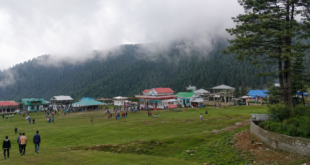
Jahaz Banda is probably the most famous name you will hear when people talk about the best places to visit in Kumrat Valley. This is a massive green meadow sitting at a high altitude, surrounded by towering mountains and, in certain seasons, small patches of glacier ice.
The trek to Jahaz Banda usually takes a few hours on foot or can be partly covered by jeep depending on the trail conditions and the season. Once you arrive, the view is simply breathtaking. Wide open grasslands stretch out in front of you, dotted with wildflowers in the summer months, while snow covered peaks stand guard in the distance.
Many travelers choose to camp overnight at Jahaz Banda. Watching the stars come out over the meadow, with no city lights to interfere, is an experience you will remember forever. If you enjoy photography, early morning and late evening light here creates some of the most stunning shots you can capture in northern Pakistan.
Katora Lake
If you are up for a proper trek, Katora Lake should be at the top of your list. Sitting at around eleven thousand five hundred feet above sea level, this glacial lake gets its name because its shape resembles a bowl, which is what katora means in Urdu.
The trek to Katora Lake usually starts from Jahaz Banda and can take several hours depending on your pace and fitness level. The trail passes through alpine meadows, rocky paths, and sometimes patches of snow even in summer. It is not an easy walk, so a reasonable level of fitness and proper hiking shoes are recommended.
The reward at the end is absolutely worth it. The lake water is a stunning shade of turquoise blue, framed by rocky mountains on all sides. Because of the altitude and the effort required to reach it, Katora Lake still feels wonderfully untouched compared to more commercial lakes in other valleys. I would recommend hiring a local guide for this trek since the trail can be confusing for first time visitors and weather conditions can change quickly at that altitude.
Kala Chashma
Kala Chashma, which translates to black spring, is one of the most refreshing spots in the entire valley. This natural spring produces incredibly cold and clear water that flows out from the mountainside, and it has become a favorite resting point for trekkers heading toward Jahaz Banda or Katora Lake.
Even though it is not a large attraction like the meadows or the lake, Kala Chashma has a certain charm to it. The surrounding forest is thick and green, and the sound of the flowing spring water combined with birds chirping around creates a very calming atmosphere. Many travelers stop here for a short break, fill up their water bottles, and take some memorable photographs before continuing their journey further into the valley.
Panjkora River
You cannot talk about the best places to visit in Kumrat Valley without mentioning the Panjkora River, because honestly, this river is the soul of the entire valley. Originating from the Hindu Kush mountain range, the Panjkora flows for hundreds of kilometers through Dir and Timergara before eventually joining the Swat River.
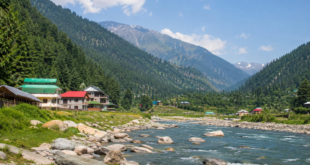
Within Kumrat Valley, the river is at its most beautiful. The water is crystal clear, cold, and fast flowing, cutting through dense pine forests on both sides. This river is popular for trout fishing, and many local guides can help you find good fishing spots along the banks. If you are more interested in adventure, some areas of the river are also suitable for rafting, though this depends on the water level and season.
Even if fishing or rafting is not your thing, simply sitting by the riverbank with a cup of tea, listening to the water rush over the rocks, is one of the most peaceful things you can do in Kumrat Valley. Many campsites and small resorts are located right along the river, giving you the chance to fall asleep to the sound of flowing water.
Do Janga
Do Janga, sometimes spelled Dojanga, sits toward the northern end of Kumrat Valley and is considered one of the last major points before the valley turns into deep wilderness. The name refers to the meeting point of two rivers, and a wooden bridge here connects both sides of the valley, allowing locals and travelers to continue their journey toward other remote lakes and waterfalls.
The trek to Do Janga is considerably more difficult than the walk to Jahaz Banda. It involves crossing rugged terrain, passing near Kala Chashma, and moving through dense forest areas. Because the trail can be confusing and the area is remote, it is strongly advised to hire a local guide before attempting this trek.
Camping overnight at Do Janga is generally discouraged because of the presence of wildlife in the area, including the possibility of encountering wild animals. If you do plan to visit, it is best to go during daylight hours, check the weather beforehand, and travel in a group rather than alone.
Kund Banda
Kund Banda is a narrow valley located near Jahaz Banda, wedged between pine forests and small water streams. What makes this spot special is its untouched beauty. The mountains surrounding Kund Banda are so striking that many visitors describe sitting there for hours just admiring the view without getting bored.
This location works well as a camping site and is particularly popular among hikers who want to continue exploring further into the valley the next day. If you are planning a multi day trek through Kumrat Valley, Kund Banda can serve as a peaceful overnight stop before you push on toward Katora Lake or other higher altitude destinations.
Badgoi Top and Badagoi Pass
For travelers who want sweeping panoramic views, Badgoi Top, also referred to as Badagoi Pass, is worth the effort. This high altitude viewpoint gives you a wide perspective of the surrounding mountain ranges, forests, and valleys stretching out below.
The trek up to Badgoi Top can be tiring, especially if you are not used to high altitude hiking, but the payoff is a view that makes every step feel worthwhile. On clear days, you can see for miles in every direction, and the sense of scale and remoteness really hits you once you are standing at the top.
Jahaz Banda Waterfalls
Close to the main meadow, the Jahaz Banda Waterfalls add another layer of beauty to this part of the valley. Water cascades down rocky cliffs surrounded by lush greenery, creating a cool mist that spreads across the nearby trail. The hike to reach the falls is relatively short compared to some of the other treks in the area, making it accessible even for travelers who are not looking for a full day hiking adventure.
Standing near the base of the falls, feeling the cool spray on your face after a warm day of walking, is one of those small moments that makes the entire trip to Kumrat Valley feel worthwhile.
Kalkot and Thal
Before you even reach the main valley, the towns of Kalkot and Thal offer their own charm. Thal, as mentioned earlier, serves as the main gateway to Kumrat Valley and is where most travelers switch from their personal vehicles to hired jeeps. It has small local shops, basic eateries, and a handful of guest houses where you can rest before continuing your journey.
Kalkot, located a bit further along the route, gives you a glimpse of everyday life in this part of Khyber Pakhtunkhwa. Walking through these towns, interacting with locals, and trying some regional food adds cultural depth to what would otherwise be purely a nature focused trip.
Local Culture and Hospitality
One thing that stood out to me during my time exploring the best places to visit in Kumrat Valley was the warmth of the local people. The communities living around the valley are known for their genuine hospitality. Many travelers share stories of being invited for tea or a simple meal by locals who simply wanted to make their journey more comfortable.
This kind of hospitality adds something special to the trip that you cannot find in more commercialized tourist destinations. Taking the time to sit and talk with locals, even with a language barrier, often becomes one of the most memorable parts of any visit to Kumrat.
Food in Kumrat Valley
Kumrat Valley offers a mix of local and traditional Pakistani cuisine. Since the valley itself has limited restaurants, most food is prepared fresh by local guest houses, campsites, or small dhabas along the main route.
Some popular dishes you should try include chappali kabab, which is a spiced minced meat patty that originates from this region, along with Peshawari karahi and freshly baked Peshawari naan. Trout fish caught fresh from the Panjkora River is another local specialty, and if you get the chance to try it grilled or fried by a local cook, do not miss out.
Since supplies can be limited the deeper you go into the valley, it is a good idea to carry some basic snacks, dry fruits, and bottled water with you, especially if you plan to trek or camp overnight.
Where to Stay in Kumrat Valley
Accommodation options in Kumrat Valley range from basic camping to more comfortable guest houses and resorts. Over the past few years, the valley has seen a gradual increase in facilities as tourism has grown, though it still remains far less developed than places like Naran or Murree.
Camping is one of the most popular ways to experience the valley, especially near the Panjkora River or at Jahaz Banda Meadows. Many travelers bring their own tents, while others rent camping gear from local vendors in Thal or within the valley itself.
For those who prefer a roof over their heads, several small resorts and guest houses have opened along the riverbank in recent years, offering rooms with views of the forest and mountains. These places typically provide basic but comfortable facilities, and staying close to nature while still having proper beds and meals makes for a nice balance between adventure and comfort.
Whichever option you choose, it is a good idea to book in advance during peak season, especially in July and August, since the limited number of rooms can fill up quickly.
Things to Keep in Mind Before You Go
Before wrapping up this guide, I want to share a few practical tips that can make your trip to Kumrat Valley smoother and safer.
Mobile network coverage in the valley is very limited. Some networks work better than others in certain spots, but generally speaking, you should prepare for a mostly off grid experience. Let your family or friends know your rough itinerary before you leave, since staying constantly in touch may not be possible.
There are no ATMs within Kumrat Valley itself, so make sure to withdraw enough cash from Dir or Timergara before heading into the valley. Credit and debit cards are not accepted in most local shops or guest houses.
Permits are generally not required for either local or foreign tourists visiting Kumrat Valley, which makes planning a bit easier compared to some other restricted areas in northern Pakistan. However, it is always smart to check the latest travel advisories before your trip, since conditions can change.
Pack layers of clothing regardless of the season, since temperatures can shift quickly between day and night, especially at higher altitudes. Sturdy hiking shoes, a good raincoat, and a basic first aid kit are essentials that should be in every traveler’s bag.
Respecting local customs is important throughout Khyber Pakhtunkhwa. Dressing modestly, being polite with locals, and avoiding public displays of affection will help you have a more positive experience with the communities you interact with along the way.
Finally, please help keep this valley clean. Kumrat Valley has remained beautiful largely because it has not been overrun by mass tourism, but littering by careless visitors has started to become a real concern. Carry your trash back with you and leave the trails as clean as you found them, so future travelers can enjoy the same natural beauty that you did.
Wildlife in Kumrat Valley
The dense forests surrounding Kumrat Valley are home to a variety of wildlife, which adds another layer of interest for nature lovers. Musk deer roam through the pine and deodar forests, and the region is also known to be home to Himalayan brown bears and, in rarer sightings, snow leopards in the higher and more remote areas.
While spotting these animals is not guaranteed and requires patience along with a good local guide, simply knowing that you are walking through their natural habitat adds a sense of wilderness to the entire trip. This is also part of why certain remote areas like Do Janga require extra caution and are not recommended for solo camping.
Suggested Itinerary for Kumrat Valley
If you are wondering how to plan your days once you arrive, here is a simple itinerary that works well for most travelers exploring the best places to visit in Kumrat Valley.
On your first day, focus on the journey itself. Travel from your starting city to Thal, switch to a jeep, and make your way into the main valley. Spend the evening relaxing by the Panjkora River, setting up camp, or checking into your guest house.
On the second day, explore the areas closer to your base, such as Kala Chashma and the riverside trails. If you are staying near the main valley, this is also a good day to visit Kund Banda if it is close to your route.
The third day is ideal for the trek to Jahaz Banda Meadows. Depending on your fitness level and how much time you spend enjoying the meadow, you may choose to camp overnight there.
If you have a fourth day available and are physically prepared for a longer trek, this is when you should attempt the hike to Katora Lake. Starting early in the morning gives you the best chance of reaching the lake and returning before the weather changes, since mountain weather can turn quickly in the afternoon.
On your final day, begin the journey back, stopping along the way in Thal or Dir if you want to explore the local towns a bit more before heading home.
Of course, this itinerary can be adjusted based on how many days you have and your personal interest in trekking versus simply relaxing in nature.
Why Kumrat Valley Deserves a Spot on Your Travel List
There are countless beautiful destinations across northern Pakistan, and it is easy to see why places like Hunza, Skardu, and Swat get so much attention. But Kumrat Valley offers something a little different. It has not yet been fully commercialized, which means you still get to experience nature in a raw and honest way, without the crowds and noise that have started to define some of the more popular tourist spots.
Every corner of this valley, from the quiet flow of the Panjkora River to the wide open grasslands of Jahaz Banda and the challenging trek up to Katora Lake, offers something meaningful for different kinds of travelers. Whether you are someone who wants a relaxing weekend away from the city or a serious trekker looking for your next challenge, Kumrat Valley has something to offer you.
Frequently Asked Questions About Kumrat Valley
Is Kumrat Valley suitable for families? Yes, Kumrat Valley can be a great destination for families, especially if you stick to the more accessible spots near the main valley like the riverside areas and Kala Chashma. The more difficult treks, such as the hike to Katora Lake, are better suited for adults who are comfortable with longer walks at higher altitudes.
How many days should I plan for a trip to Kumrat Valley? Most travelers spend anywhere between three to five days exploring Kumrat Valley, which allows enough time to cover the main attractions without feeling rushed. If you only want to see the riverside areas and Jahaz Banda, three days can be sufficient, but if you plan to trek to Katora Lake as well, five days gives you a more comfortable pace.
Do I need a guide to explore Kumrat Valley? While some of the easier spots near the main valley can be explored without a guide, treks to places like Katora Lake, Do Janga, and Badgoi Top are best done with a local guide. The trails can be confusing for first time visitors, and a guide also helps with safety in case of sudden weather changes.
Is solo travel safe in Kumrat Valley? Solo travel is possible in Kumrat Valley, but it is generally recommended to inform someone about your plans and consider hiring a local guide, especially for longer treks. Traveling in a small group is always a safer option when heading into more remote parts of the valley.
What should I pack for a trip to Kumrat Valley? Pack layered clothing, a good pair of hiking shoes, a raincoat, sunscreen, a basic first aid kit, and enough cash since there are no ATMs in the valley. If you plan to camp, make sure you have proper camping gear or arrange to rent it from Thal or within the valley.
Final Thoughts
Kumrat Valley is one of those places that reminds you why people fall in love with travel in the first place. It is not about ticking off a checklist of famous landmarks, but about standing quietly by a cold river, walking through pine forests, and looking out at mountains that seem to stretch on forever.
I hope this guide has given you a clear picture of the best places to visit in Kumrat Valley and helps you plan a trip that you will remember for years to come. Pack your bags, keep an open mind, and get ready to fall in love with one of northern Pakistan’s most beautiful and peaceful valleys.