 travelguaidewithme
Related Articles
Kyoto is one of the most fascinating cities in Japan for travelers who want to experience traditional Japanese culture. While famous temples and popular sightseeing spots attract millions of visitors, some of the most memorable experiences can be found by simply walking through Kyoto’s traditional neighborhoods.
These neighborhoods offer a different view of the city. Instead of rushing from one famous attraction to another, you can walk along quiet streets, look at traditional wooden houses, visit small shops, discover local restaurants, and observe everyday life. Many areas still preserve the atmosphere that has made Kyoto famous for centuries.
For first time visitors, exploring traditional neighborhoods can seem confusing at first. Kyoto is a large city, and every area has its own character. With a little planning, however, you can enjoy these streets at a comfortable pace and discover places that may not appear on a typical tourist schedule.
This beginner’s guide explains how to explore Kyoto’s traditional neighborhoods, what to see, how to behave respectfully, when to visit, and how to make your walking experience more enjoyable.
Why Explore Kyoto’s Traditional Neighborhoods?
Kyoto is known for its temples, shrines, gardens, and historic buildings, but the city’s traditional neighborhoods provide something different. They allow visitors to experience the surroundings between the major attractions.
Walking through an old neighborhood can help you understand how people lived in Kyoto in earlier generations. Traditional wooden homes, narrow lanes, small gardens, tea houses, craft stores, and family businesses can still be found in several parts of the city.
Another advantage is that neighborhood exploration allows you to travel at your own pace. You do not need to spend hours inside a museum or follow a strict schedule. You can simply walk, stop for a cup of tea, take photographs where appropriate, and continue exploring.
For beginners, this is also a good way to experience Kyoto without trying to see everything in one day.
Gion and Higashiyama
Gion is one of the most famous traditional areas in Kyoto. It is especially known for its historic streets, traditional wooden buildings, tea houses, and cultural atmosphere.
The area around Gion and Higashiyama is popular with visitors, but it still provides opportunities to see traditional Kyoto architecture. Hanamikoji Street is one of the best known streets in Gion. Its traditional buildings create a strong sense of old Kyoto.
When walking through Gion, it is important to remember that this is not simply a tourist attraction. People live and work in the area, and many traditional businesses continue to operate there.
Visitors should avoid entering private properties and should not photograph people without permission. Being quiet and respectful makes the experience better for everyone.
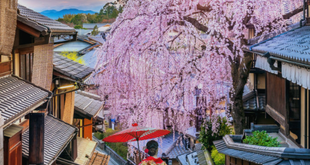
Higashiyama is another excellent area for beginners. The streets around Ninenzaka and Sannenzaka contain traditional buildings, small stores, cafés, and souvenir shops. The streets can become busy during popular travel periods, so visiting earlier in the day can make walking more comfortable.
Ninenzaka and Sannenzaka
Ninenzaka and Sannenzaka are among the most recognizable traditional streets in Kyoto. Their stone paths, wooden buildings, and gentle slopes create a historic atmosphere.
These streets are particularly enjoyable for travelers who like photography and traditional architecture. Small stores sell Japanese crafts, sweets, tea, ceramics, and other local products.
The area is close to several important cultural sites, so you can combine neighborhood exploration with temple visits. However, you do not need to rush from one attraction to another.
Take time to notice small details. Look at the architecture, shop entrances, lanterns, gardens, and traditional signs. These small features often tell you more about Kyoto’s character than a quick visit to a famous landmark.
Because some streets are narrow and crowded, walk carefully and avoid stopping in the middle of busy pathways.
Pontocho
Pontocho is another historic neighborhood that is worth exploring, especially in the evening.
The area is famous for its narrow alley and traditional restaurants. Many establishments have maintained a traditional appearance, making the neighborhood feel very different from modern commercial districts.
Pontocho is located close to the Kamo River. During warmer months, the river area can be a pleasant place to walk after exploring the neighborhood.
Many restaurants in Pontocho can be expensive, so beginners should check menus and prices before entering. Some restaurants cater to visitors, while others focus on traditional dining experiences.
You do not need to dine at an expensive restaurant to enjoy Pontocho. Walking through the area and observing the architecture can also be a memorable experience.
Miyagawacho
Miyagawacho is another historic district near the Kamo River. It has a quieter atmosphere than some of Kyoto’s more famous streets.
The neighborhood has connections to traditional Japanese performing arts and entertainment culture. Traditional buildings and narrow streets create an atmosphere that makes the area interesting for travelers who want to explore beyond the most crowded tourist routes.
When visiting Miyagawacho, remember that it is a living neighborhood. Keep your voice low, respect private spaces, and follow any photography restrictions.
For beginners, this area can be a good choice if you want to experience a traditional part of Kyoto while avoiding some of the busiest sightseeing streets.
Shirakawa Area
The Shirakawa area near Gion is known for its beautiful stream, traditional buildings, and peaceful atmosphere.
Walking along the water is particularly pleasant when the weather is comfortable. Trees and traditional architecture create a calm setting that feels very different from busy city streets.
This area is a good example of why walking is such an important part of exploring Kyoto. You may not have a specific attraction to visit, but the surroundings themselves become part of the experience.
Early morning can be especially enjoyable because there are usually fewer people. The soft light can also make the traditional streets look beautiful.
Nishijin
Nishijin offers a different kind of traditional Kyoto experience. The area has a long history connected to textile production and traditional weaving.
Visitors interested in Japanese crafts can learn more about Kyoto’s textile heritage by exploring this neighborhood. Some streets have traditional homes and small businesses that reflect the area’s history.
Nishijin is not always included in first time Kyoto itineraries, which makes it interesting for travelers who want to explore a less obvious part of the city.
If you enjoy traditional crafts, fabrics, design, and Japanese history, consider giving yourself several hours to explore the area slowly.
Demachiyanagi and the Northern Neighborhoods
The area around Demachiyanagi provides another opportunity to experience a more local side of Kyoto.
This part of the city has a mixture of traditional streets, residential areas, small stores, cafés, and access to natural spaces. The meeting point of the Kamo River and Takano River is particularly pleasant.
A walk in this area can be combined with a visit to nearby cultural sites. The atmosphere is generally less focused on tourism than central Gion.
For beginners, this can be a good place to slow down after visiting busy attractions.
How to Explore Kyoto’s Traditional Neighborhoods
The best way to explore traditional neighborhoods is usually on foot. Walking allows you to notice details that are easy to miss when traveling by car or moving quickly between attractions.
Start with one neighborhood instead of trying to cover the entire city. Spend two or three hours walking around the streets, then take a break at a café or restaurant.
A simple walking route might include a historic street, a small temple or shrine, a local shop, and a quiet residential area.
You do not need to visit every location marked on a map. Sometimes the most enjoyable moments happen when you slow down and follow an interesting street.
Choose Comfortable Shoes
Kyoto is a walking city, especially if you want to explore traditional neighborhoods.
Some streets have stone surfaces, slopes, stairs, or uneven pathways. Comfortable shoes can make a major difference during a full day of sightseeing.
Avoid planning a long walking route if you are not comfortable walking for several hours. It is better to explore one area properly than to rush through several neighborhoods.
Carry water, especially during warm weather.

Visit Early in the Morning
One of the simplest ways to enjoy traditional Kyoto neighborhoods is to start early.
Popular streets can become very crowded later in the morning and during the afternoon. Early hours often provide a calmer environment.
Morning light can also make traditional streets especially attractive for photography.
If you want peaceful surroundings, consider starting your walking tour shortly after sunrise. You can enjoy the neighborhood before the busiest part of the day begins.
Visit During the Right Season
Kyoto changes dramatically throughout the year.
Spring is famous for cherry blossoms, while autumn is known for colorful foliage. These seasons can be beautiful but also very busy.
Summer brings warm and humid weather, so early morning or evening walks can be more comfortable.
Winter is colder but can provide a quieter experience. Traditional streets can look particularly peaceful during winter mornings.
There is no single perfect season for exploring Kyoto. The best choice depends on whether you prefer seasonal scenery, comfortable weather, or fewer visitors.
Respect Local Residents
One of the most important rules when exploring traditional neighborhoods is to remember that these are real communities.
Do not enter private homes, gardens, or restricted areas. Avoid blocking narrow streets while taking photographs. Keep your voice at a reasonable level.
If you see a sign asking visitors not to photograph an area, follow the request.
Some traditional neighborhoods have experienced problems caused by large numbers of visitors. Responsible tourism helps protect these areas for future generations.
Simple actions such as walking quietly, disposing of rubbish properly, and respecting local businesses can make a meaningful difference.
Photography Tips
Kyoto offers countless photography opportunities, but good photography requires patience and respect.
Instead of photographing only famous streets, look for smaller details. Traditional doors, wooden walls, roof designs, gardens, lanterns, and shop displays can create interesting photographs.
Morning and late afternoon often provide softer natural light.
Before photographing people, ask for permission. This is particularly important in areas connected with traditional entertainment and cultural professions.
Avoid using large cameras or tripods in narrow spaces if they block other visitors.
Try Local Food
Exploring traditional neighborhoods is also a good opportunity to try Japanese food.
Small cafés and local restaurants can provide experiences that are very different from international restaurant chains.
You may find traditional sweets, Japanese tea, noodles, rice dishes, tofu dishes, seasonal vegetables, and other regional specialties.
If you are unsure about a restaurant, look at the menu before entering. Many restaurants display prices and food photographs outside.
Trying one local dish can become an important part of your Kyoto experience.
Visit Small Shops
Traditional neighborhoods often contain small family owned shops.
Some sell ceramics, textiles, handmade accessories, tea, sweets, fans, stationery, and other Japanese products.
Shopping in these stores can be more meaningful than buying souvenirs from large tourist shops. You may also learn something about traditional Japanese craftsmanship.
However, do not feel pressured to buy something simply because you enter a shop. Browse politely and respect the store environment.
Learn a Few Japanese Words
You do not need to speak Japanese fluently to enjoy Kyoto, but learning a few simple expressions can make interactions easier.
For example, saying “arigatou gozaimasu” means thank you. “Sumimasen” can be used when saying excuse me or getting someone’s attention.
A friendly greeting and polite behavior are often appreciated.
Learning a few words before your trip can also make you feel more confident when visiting smaller shops and restaurants.
Use Public Transportation Wisely
Kyoto has buses, trains, and subway services that can help you reach different neighborhoods.
However, walking is often the best way to explore once you arrive in a traditional district.
Plan your transportation before starting your walk. Check which station or bus stop is closest to your destination and identify where you want to finish.
This prevents unnecessary backtracking and gives you more time to enjoy the neighborhood.
Create a Simple Kyoto Walking Plan
A beginner does not need a complicated itinerary.
For example, you could spend one morning exploring Higashiyama and then visit nearby cultural attractions. Another day could include Nishijin and northern Kyoto.
You could also dedicate an evening to Pontocho and the Kamo River.
The key is to avoid filling every hour with activities. Kyoto rewards travelers who leave room for spontaneous discoveries.
A simple plan might look like this:
Morning: Start with a traditional neighborhood.
Late morning: Visit a nearby temple or shrine.
Lunch: Try a local restaurant.
Afternoon: Explore small streets and shops.
Evening: Walk beside the Kamo River or explore another nearby historic area.
This type of schedule gives you enough structure without making the trip stressful.
Common Mistakes to Avoid
First time visitors sometimes try to see too much in one day. Kyoto has many attractions, but rushing between them can make the experience tiring.
Another mistake is focusing only on famous places. Traditional neighborhoods are valuable precisely because they allow you to see another side of the city.
Some travelers also forget that residential areas are not open air museums. Residents deserve privacy and respect.
Avoid loud conversations, littering, blocking streets, entering private property, or taking photographs where photography is restricted.
Finally, do not judge your Kyoto experience by how many attractions you visit. A quiet walk through a beautiful street can be just as memorable as visiting a famous landmark.
Final Thoughts
Exploring Kyoto’s traditional neighborhoods is one of the best ways for beginners to understand the city beyond its famous temples and tourist attractions.
Areas such as Gion, Higashiyama, Pontocho, Miyagawacho, Shirakawa, and Nishijin each offer something different. Some are lively and popular, while others provide a quieter look at everyday Kyoto.
The most important thing is to slow down. Walk comfortably, observe your surroundings, try local food, visit small shops, and take time to appreciate traditional architecture.
Respect is also an essential part of the experience. Kyoto’s historic neighborhoods are living communities, not simply sightseeing locations. When visitors behave thoughtfully, they help preserve the character of these areas.
For a first trip to Japan, Kyoto can provide a wonderful introduction to traditional Japanese culture. You do not need an expensive tour or a complicated schedule. A comfortable pair of shoes, a simple walking plan, and an open mind can be enough to create a memorable journey through the traditional neighborhoods of Kyoto.