 travelguaidewithme
Related Articles
Hakone is one of the most relaxing destinations to visit in Japan. Located in Kanagawa Prefecture, Hakone is known for its beautiful mountains, peaceful forests, hot springs, traditional inns, volcanic landscapes, and views of Mount Fuji. It is also close enough to Tokyo to make a comfortable day trip, although staying for one or two nights allows you to enjoy the area at a much slower pace.
For travelers who want a break from busy city streets, Hakone offers a very different experience. Instead of spending the whole day moving between crowded attractions, you can walk through quiet natural areas, enjoy a traditional hot spring, sit beside a lake, and take time to appreciate the scenery.
This practical guide to visiting Hakone explains how to plan your trip, what to see, how to travel around the area, where to relax, and how to make the most of your time.
Why Visit Hakone?
Hakone is popular because it combines nature, culture, and relaxation in one destination. The area is surrounded by mountains and includes several small towns, forests, lakes, and valleys.
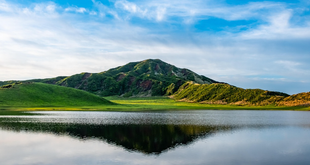
One of the biggest attractions is Lake Ashi. On a clear day, the lake provides beautiful views of the surrounding mountains and sometimes Mount Fuji. The area is especially pleasant when the weather is calm because the water reflects the landscape.
Hakone is also famous for its hot springs. A traditional Japanese hot spring bath is called an onsen, and spending time in one can be a wonderful way to relax after walking or sightseeing.
Another reason to visit Hakone is its peaceful atmosphere. Tokyo can be exciting, but it can also feel overwhelming. Hakone gives travelers an opportunity to slow down without traveling very far from the capital.
Best Time to Visit Hakone
Hakone can be visited throughout the year, but each season offers a different experience.
Spring brings fresh green forests and pleasant temperatures. It can also be a good time to see cherry blossoms in suitable locations around the region.
Summer brings greener mountains and longer daylight hours. The higher elevations can feel more comfortable than some urban areas, although rain can occur.
Autumn is particularly attractive because the mountains become colorful with changing leaves. Many visitors come to Hakone during this season to enjoy the autumn scenery.
Winter can be cold, but the landscape can feel very peaceful. Clear winter days may provide better opportunities to see Mount Fuji. Hot springs are also especially enjoyable when the weather is cold.
Before traveling, check the local weather forecast because mountain conditions can change quickly. Visibility is important if you are hoping to see Mount Fuji.
How Many Days Do You Need in Hakone?
A day trip to Hakone is possible, especially if you are traveling from Tokyo. However, one night is often better for travelers who want relaxation.
With one full day, you can visit Lake Ashi, explore a few natural areas, ride local transportation, and enjoy an onsen.
With two days, you can take things more slowly. You can spend one day exploring the main sights and another day enjoying a nature walk, visiting a garden, or relaxing at your accommodation.
If relaxation is your main goal, avoid planning too many activities. Hakone is best enjoyed when you leave some empty time in your schedule.
Getting to Hakone
Hakone is well connected with Tokyo and other parts of the region. Travelers can use trains and buses to reach the area.
The journey from Tokyo usually involves traveling toward Odawara or the Hakone area before connecting with local transportation.
One useful option is the Odakyu network, which connects Tokyo with the Hakone region. There are also different local transportation options once you arrive.
Because Hakone has mountains and several separate sightseeing areas, transportation planning is important. A journey that looks short on a map can take longer because roads follow the mountainous landscape.
Check transportation schedules before leaving your accommodation, especially if you plan to return to Tokyo on the same day.
Understanding the Hakone Area
Hakone is not a single compact town. It is a wider sightseeing region with different areas connected by trains, buses, cable cars, ropeways, boats, and walking routes.
Hakone Yumoto is one of the main gateways to the area. It has shops, restaurants, and hot spring accommodations.
Gora is another important area and is known for its mountain atmosphere, gardens, museums, and access to transportation.
The Owakudani area is famous for its volcanic landscape. Steam and volcanic gases rise from the ground, creating a dramatic natural environment.
Lake Ashi is another major highlight. Visitors can enjoy lakeside views, boat rides, and nearby walking routes.
Understanding these areas before your trip makes it easier to create a realistic itinerary.
Explore Lake Ashi
Lake Ashi is one of the most recognizable places in Hakone. The lake is surrounded by mountains and offers several ways to enjoy the scenery.
You can walk along parts of the lakeside, visit nearby attractions, or take a sightseeing boat.
The lake is particularly beautiful during calm weather. If you are hoping to see Mount Fuji, remember that visibility depends heavily on clouds and weather conditions.
Do not feel that you have to rush around the lake. Find a comfortable viewpoint and spend some time simply enjoying the landscape.
The area around Lake Ashi can become busy during popular travel periods, so visiting earlier in the day may provide a more peaceful experience.
Take the Hakone Ropeway
The Hakone Ropeway is another popular way to experience the region’s mountain scenery.
The route passes over mountainous landscapes and the volcanic area around Owakudani. From above, you can see forests, valleys, and volcanic terrain.
The ropeway is not only transportation. It is also a sightseeing experience.
Weather can affect ropeway operations, so check current conditions before planning your entire day around it.
If you are visiting Hakone mainly for nature, this journey can help you see the region from a different perspective without requiring a long mountain hike.
Visit Owakudani
Owakudani is a volcanic valley created by volcanic activity in the Hakone area. It has a very different appearance from the quiet forests and gardens found elsewhere.
You may see steam rising from the ground and rugged volcanic terrain. The landscape gives visitors a better understanding of the geological forces that shaped Hakone.
The area has walking viewpoints and food shops. One famous local food is the black egg, which is prepared using naturally heated water.
When visiting Owakudani, follow local safety instructions. Volcanic areas can have restrictions when conditions change, so it is important to pay attention to official notices.
Enjoy a Hakone Onsen
An onsen is one of the most important experiences in Hakone. The region has been known for hot springs for centuries, and many accommodations offer traditional bathing facilities.
If you have never used an onsen before, the process may seem unfamiliar. In most traditional baths, guests wash themselves thoroughly before entering the communal hot spring.
Swimwear is generally not worn in traditional Japanese communal baths. However, facilities can have different rules, so check their instructions before entering.
If you prefer more privacy, look for an accommodation or bathing facility that offers private baths.
An onsen is not something you need to rush. Give yourself enough time to relax and enjoy the experience.
Stay in a Traditional Ryokan
For a relaxing Hakone trip, staying in a ryokan can make the experience more memorable.
A ryokan is a traditional Japanese inn. Many feature Japanese style rooms, tatami flooring, traditional bedding, and meals prepared with seasonal ingredients.
Some ryokans have private or communal hot spring baths. The experience can be very different from staying in a standard hotel.
If you are interested in Japanese culture as well as nature, a ryokan stay can add another layer to your Hakone visit.
When choosing accommodation, consider its location carefully. A beautiful property can still be inconvenient if it requires complicated transportation to reach the places you want to visit.
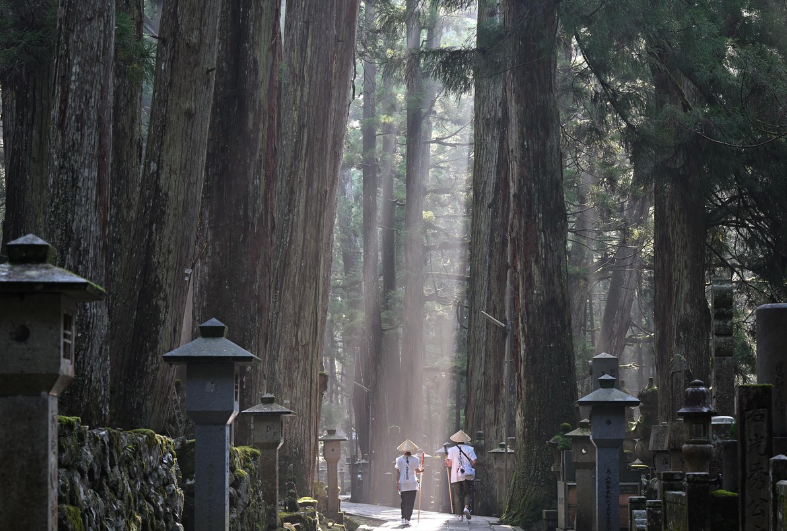
Walk Through Hakone’s Forests
Hakone is an excellent destination for people who enjoy walking.
The region has forest paths and historic routes where you can experience the quieter side of the area. One well known option is the old Tokaido route, which historically connected Tokyo and Kyoto.
Parts of the historic road pass through wooded areas and offer a glimpse into Japan’s travel history.
You do not need to be an experienced hiker to enjoy every walking route, but you should choose trails according to your fitness level and weather conditions.
Wear comfortable shoes and carry water. Mountain paths can become slippery after rain.
Visit Hakone Shrine
Hakone Shrine is located near Lake Ashi and is surrounded by trees. One of its most recognizable features is the red torii gate standing near the water.
The shrine provides a peaceful cultural experience alongside the natural beauty of the lake and forest.
Visitors should behave respectfully because the shrine remains an important religious site.
Take your time while walking through the surrounding area. The forest setting is part of what makes the visit special.
Spend Time in Hakone’s Gardens
Hakone has several gardens where visitors can enjoy flowers, trees, ponds, and carefully designed landscapes.
Gardens are ideal for travelers who want a slower activity. Instead of following a strict sightseeing schedule, you can walk at your own pace and stop whenever you find an interesting view.
Seasonal changes can make the same garden look different during spring, summer, autumn, and winter.
If you are traveling with someone who enjoys photography, gardens can also provide many opportunities for natural landscape pictures.
Plan Around the Weather
Weather should play an important role in your Hakone itinerary.
Mount Fuji views are never guaranteed. Even if the forecast looks promising, clouds can appear around the mountain.
If seeing Mount Fuji is important to you, keep your schedule flexible. You may have a better view in the morning than later in the afternoon.
Rain can also affect outdoor activities and transportation.
Instead of becoming frustrated by changing weather, prepare alternative activities. Museums, gardens, cafés, traditional inns, and hot springs can make a rainy day enjoyable.
What to Eat in Hakone
Hakone offers many Japanese food experiences.
You can find traditional meals featuring rice, vegetables, fish, noodles, tofu, and seasonal ingredients.
If you stay at a ryokan, you may have the opportunity to enjoy a traditional Japanese dinner. Such meals can include several small dishes presented carefully.
For a casual meal, look for local noodle shops, cafés, and restaurants near transportation centers.
Owakudani is known for its black eggs, while areas around Lake Ashi offer cafés and restaurants where you can rest during sightseeing.
Food can become part of the travel experience rather than simply something to fit between attractions.
What to Pack for Hakone
Packing for Hakone depends on the season, but comfortable walking shoes are essential.
Mountain weather can change, so a light jacket or extra layer can be useful even when the weather in Tokyo feels warm.
An umbrella or rain jacket can also be helpful.
Bring a small day bag with water, basic personal items, and anything you need for a day of walking.
If you plan to stay at a traditional inn, check whether the accommodation provides items such as towels and toiletries.
Traveling light can make it easier to use public transportation and move between different parts of Hakone.
How to Avoid Rushing Your Hakone Trip
The biggest mistake travelers can make in Hakone is trying to see everything in one day.
The region has many attractions, but transportation between them takes time.
Choose two or three main experiences instead of creating a long list.
For example, you could spend the morning exploring Lake Ashi, visit Hakone Shrine, enjoy a relaxed lunch, and spend the afternoon at an onsen.
Another day could include Owakudani, a garden, and a forest walk.
A slower itinerary allows you to appreciate the destination instead of constantly checking the time.
A Simple One Day Hakone Itinerary
If you only have one day, start early.
Travel into Hakone and begin with one of the major sightseeing routes. Continue toward Lake Ashi and spend some time enjoying the views.
Visit Hakone Shrine if conditions and crowds allow. After lunch, explore another nearby attraction or take a scenic transportation route.
Finish the day with an onsen if you have enough time.
Keep your return journey in mind. Do not schedule an activity so late that you risk missing your train or other transportation.
A Relaxing Two Day Hakone Itinerary
With two days, you can create a much more comfortable schedule.
On the first day, travel to Hakone, check into your accommodation, and explore the surrounding area. You could visit a garden, walk through a forest, or spend time in Hakone Yumoto.
In the evening, enjoy a traditional meal and relax in an onsen.
On the second day, explore Lake Ashi and the surrounding attractions. Depending on the weather, you can include the Hakone Ropeway and Owakudani.
This schedule gives you more flexibility and allows you to enjoy your accommodation instead of treating it only as a place to sleep.
Practical Tips for First Time Visitors
Plan your transportation before starting your day. Hakone has several transportation options, but connections can take time.
Check operating conditions for ropeways and boats if they are important parts of your plan.
Avoid carrying heavy luggage while sightseeing. If possible, arrange luggage storage or send larger bags ahead to your accommodation.
Wear comfortable shoes because you may walk more than expected.
Respect local customs, especially at shrines, temples, and hot spring facilities.
Most importantly, leave room for unexpected moments. A quiet forest path, a beautiful lake view, or a peaceful café can sometimes become more memorable than a major attraction.
Final Thoughts
Hakone is a wonderful destination for travelers who want to combine Japanese nature with relaxation. Its mountains, forests, volcanic landscapes, Lake Ashi, hot springs, traditional inns, and cultural sites offer plenty to explore without requiring a fast paced vacation.
The best way to enjoy Hakone is to keep your itinerary realistic. Choose a few experiences that genuinely interest you and give yourself enough time to enjoy each one.
Whether you visit for one day or stay for several nights, Hakone can provide a refreshing change from Japan’s busy cities. Spend time walking through nature, enjoy a traditional meal, relax in an onsen, and watch the mountains change with the weather.
A practical Hakone trip is not about seeing every attraction. It is about giving yourself enough time to appreciate the peaceful side of Japan.