 travelguaidewithme
Related Articles
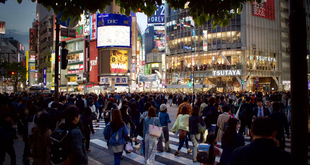
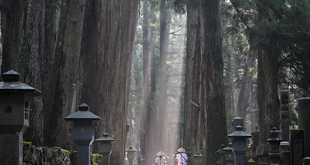
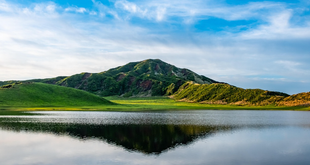
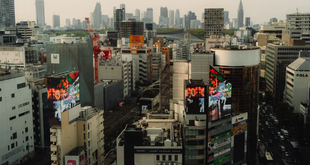
Japan is famous for its modern cities, fast trains, busy shopping streets, and beautiful temples. Places such as Tokyo, Kyoto, and Osaka attract millions of visitors every year. However, there is another side of Japan that is much quieter and often feels completely different from the country’s famous urban destinations.
Japan’s mountain towns and rural landscapes offer peaceful roads, traditional houses, green valleys, forests, rice fields, rivers, and small communities where daily life moves at a slower pace. These places are ideal for travelers who want to see a more relaxed and traditional side of Japan.
Visiting rural Japan does not have to be difficult. With a little planning, you can include mountain villages and countryside experiences in almost any Japan itinerary. The key is to slow down, choose the right destination, respect local customs, and allow yourself enough time to enjoy the surroundings.
This guide explains how to experience Japan’s mountain towns and rural landscapes in a simple and enjoyable way.
Why Visit Japan’s Mountain Towns?
Mountain towns in Japan provide an opportunity to experience a different atmosphere from the country’s large cities. Instead of tall buildings and crowded stations, you may find wooden homes, narrow streets, forests, streams, and quiet walking paths.
Many mountain communities also have strong connections with local traditions. You may see traditional architecture, local crafts, seasonal festivals, family owned restaurants, and small shops selling regional products.
Another reason to visit is the scenery. Japan has mountains across much of the country, and the landscape changes dramatically with the seasons. Spring brings fresh greenery and flowers. Summer creates lush forests and bright rice fields. Autumn fills mountain valleys with colorful leaves, while winter can transform rural villages into peaceful snowy landscapes.
For travelers who enjoy photography, walking, food, history, and nature, rural Japan can be particularly rewarding.
Choose the Right Mountain Destination
Japan has many rural areas, so choosing one destination is usually better than trying to visit several places in a short trip.
Popular mountain regions include the Japanese Alps, the Kiso Valley, parts of Gifu, Nagano, Toyama, and rural areas of Tohoku. Each region has its own character.
The Kiso Valley is known for historic post towns and traditional streets. Areas around the Japanese Alps offer mountain scenery, forests, hot springs, and hiking opportunities. Gifu has villages with traditional houses and peaceful countryside views.
When choosing a destination, think about what you want to experience.
If you enjoy history, look for old post towns and preserved streets. If nature is your priority, choose a place with hiking trails and mountain views. If you want relaxation, consider a rural hot spring town. If you enjoy food, research destinations known for regional dishes and agricultural products.
A smaller destination with fewer attractions can sometimes provide a better rural experience than a famous location packed with visitors.
Spend More Than a Few Hours
One of the biggest mistakes travelers make when visiting rural Japan is treating a mountain town as a short stop between major cities.
You can see some sights in a few hours, but staying overnight allows you to experience the place differently.
In the evening, many rural streets become extremely quiet. After most day visitors leave, you can walk around without the daytime crowds. In the morning, you may see local residents beginning their daily routines while mist sits over the mountains.
Staying overnight also gives you more time to explore nearby areas.
A traditional Japanese inn called a ryokan can make the experience even more memorable. Many rural ryokans offer traditional rooms, local meals, and access to hot spring baths.
You do not need to stay in a luxury property. A simple family run inn can sometimes provide a more personal experience.
Travel by Train and Bus
Japan’s major cities are connected by an excellent railway network, but rural travel often requires a combination of trains and buses.
You may take a train from a major city to a regional station and then continue by local train or bus. Some mountain towns are also connected by community buses or seasonal transportation services.
Before leaving the city, check the complete route. Rural transportation can be less frequent than transportation in Tokyo or Osaka.
A missed bus may mean waiting for an hour or longer for the next one.
Keep your travel schedule flexible and avoid planning too many connections on the same day. A slower itinerary is usually more enjoyable in rural Japan.
It is also useful to check the last bus or train before starting a hike or visiting a remote area.
Walk Through Traditional Streets
Walking is one of the best ways to experience a Japanese mountain town.
Instead of moving quickly from one attraction to another, take your time. Look at the traditional houses, gardens, small bridges, local shops, and surrounding mountains.
Historic towns often have narrow streets that were designed long before modern cars became common. These areas can be especially beautiful early in the morning or later in the afternoon.
Pay attention to small details. You may notice old wooden doors, handmade signs, traditional roof designs, small shrines, streams running beside houses, or flowers growing outside homes.
These simple details can tell you more about the character of a place than a long list of tourist attractions.
Explore Japan’s Rural Landscapes
Japan’s countryside is more than mountain forests. Rural landscapes may include rice fields, vegetable farms, orchards, rivers, bamboo areas, wooden homes, and small roads connecting villages.
Walking or cycling through these areas can be a peaceful experience.
Rice fields are particularly beautiful during different parts of the growing season. In some regions, mountains rise directly behind the fields, creating views that are very different from the urban scenery found in major Japanese cities.
When exploring rural areas, remember that agricultural land is usually privately owned. Stay on public roads and marked paths rather than walking through fields.
Avoid entering private property simply because it looks like a good photography location.
Respecting the countryside is an important part of responsible travel.
Visit a Local Market
Local markets are a simple way to learn about rural life.
Depending on the region and season, you may find fresh vegetables, fruit, rice, pickles, handmade foods, sweets, crafts, and other regional products.
Farmers and small producers often sell products that are closely connected to the local environment.
Trying regional food is one of the easiest ways to make a rural trip more memorable.
Instead of looking only for familiar international dishes, ask what the area is known for. A local restaurant may serve ingredients produced nearby.
Even a small meal can become an important part of your travel experience when it is connected to the place you are visiting.
Try a Traditional Japanese Inn
Staying at a ryokan can add another dimension to your rural Japan experience.
Traditional rooms usually have tatami flooring and futon bedding. Some inns also provide traditional meals featuring seasonal ingredients.
Many rural ryokans are located near hot springs. After walking through the mountains or countryside, relaxing in a hot spring bath can be an excellent way to end the day.
The experience may be different from staying in a standard hotel. Guests are expected to follow certain customs, such as removing shoes where required and following bathing rules carefully.
If you have never stayed at a ryokan before, read the property’s instructions before arrival.
Experience a Rural Onsen Town
Hot spring towns are found throughout Japan, including many mountain regions.
An onsen town may have several public baths, traditional inns, restaurants, and walking streets surrounded by mountains.
Some towns are particularly attractive during winter when snow covers the surrounding landscape.
You do not necessarily need to stay in an expensive ryokan to enjoy an onsen town. Some areas have public baths that visitors can use for a reasonable fee.
Always follow the bathing rules. Wash your body before entering the communal bath and keep towels out of the water.
People visit onsen primarily to relax, so keeping your voice low and respecting other bathers is important.
Go for a Short Hike
You do not have to be an experienced hiker to enjoy Japan’s mountains.
Many rural destinations have short trails suitable for ordinary travelers. A forest walk, riverside path, or gentle mountain trail can provide an excellent introduction to the landscape.
Before hiking, check the weather and trail conditions. Mountain weather can change quickly, particularly outside the warmer months.
Wear comfortable shoes and carry enough water. If you are visiting a remote area, make sure your phone is charged and tell someone about your planned route when appropriate.
Do not choose a difficult trail simply because it looks impressive in photographs. A short and comfortable walk can be more enjoyable than a challenging hike that does not match your experience.
Visit in Different Seasons
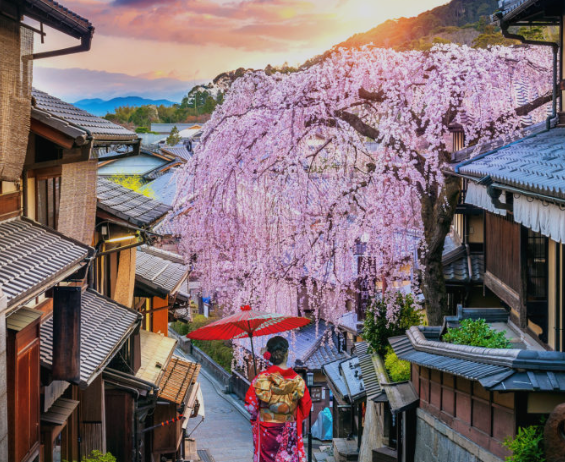
Seasonal changes are one of the great attractions of rural Japan.
Spring
Spring brings fresh leaves, flowers, and pleasant temperatures in many parts of the country. Mountain areas may experience spring later than major cities because of their higher elevations.
This makes spring an attractive time for countryside walks.
Summer
Summer produces deep green forests and bright agricultural landscapes. Mountain areas can also offer relief from the heat found in larger cities.
However, some areas may experience heavy rain or humid weather, so check conditions before traveling.
Autumn
Autumn is one of the most popular seasons for mountain travel because forests can become filled with red, orange, and yellow leaves.
Mountain roads and scenic viewpoints can become busy during peak foliage periods, so accommodation should be reserved early.
Winter
Winter changes rural Japan dramatically. Snow covered villages, quiet roads, and warm hot spring baths create a completely different atmosphere.
However, winter travel requires more preparation. Snow can affect roads and transportation, and some hiking routes may be closed.
Learn a Few Useful Japanese Phrases
English may not be widely spoken in smaller rural communities.
Learning a few simple Japanese expressions can make communication easier and show respect.
Useful phrases include:
Hello: Konnichiwa
Thank you: Arigatou gozaimasu
Excuse me: Sumimasen
Please: Onegaishimasu
Yes: Hai
No: Iie
How much is it?: Ikura desu ka?
Even when communication is limited, a friendly attitude and patience can help.
A translation app can also be useful, especially when reading menus, transportation information, or accommodation instructions.
Respect Local Communities
Rural travel requires a little more awareness because you are visiting communities where people live their normal lives.
A beautiful village may look like an outdoor museum to a visitor, but it is still someone’s home.
Avoid photographing people without permission. Do not block roads or entrances while taking pictures. Keep noise low, especially near homes and accommodation.
Follow signs and local rules. If an area asks visitors not to enter, respect the request.
Small actions make a difference when many travelers visit the same destination.
Take Your Time With Photography
Mountain landscapes naturally encourage photography, but you do not need to photograph everything.
Instead, choose a few viewpoints and spend time observing them.
Early morning can provide soft light and mist in valleys. Late afternoon can create warm light across traditional buildings and fields.
Always make sure photography does not interfere with residents or other visitors.
Drones may also be restricted in certain locations, so check local rules before flying one.
The best rural photographs often come from ordinary scenes rather than famous viewpoints. A quiet road beside a rice field, an old bridge over a stream, or a traditional house surrounded by trees can tell a powerful story.
Eat Regional Food
Food is an important part of rural travel in Japan.
Mountain communities often have dishes based on local ingredients. Depending on the region, you may encounter mountain vegetables, mushrooms, river fish, soba noodles, rice dishes, pickled vegetables, or locally produced meats.
Try visiting small restaurants instead of eating every meal at large chains.
A local restaurant may have a small menu, but that can be part of the experience. The food may reflect ingredients that are available in that particular area.
If you have dietary restrictions or allergies, learn the relevant Japanese terms before traveling and communicate clearly with restaurant staff.
Consider a Cycling Trip
Cycling can be an excellent way to explore rural Japan.
A bicycle allows you to cover more ground than walking while still moving slowly enough to appreciate the scenery.
Some rural destinations have bicycle rental shops or cycling routes. Before renting a bicycle, check whether the route includes steep climbs.
Mountain landscapes can look easy from photographs but may involve significant elevation changes.
For a relaxed experience, choose a route that matches your fitness level and available time.
Visit Small Shrines and Temples Respectfully
Mountain communities often contain small Buddhist temples and Shinto shrines.
Some are famous tourist attractions, while others are quiet places used mainly by local residents.
If you visit one, observe the behavior of other visitors and follow posted instructions.
Avoid treating religious spaces only as photography locations. Take a moment to understand their purpose and atmosphere.
You may find that a small temple surrounded by trees feels more peaceful than a famous site crowded with visitors.
Plan for Limited Services
Rural Japan can have fewer shops, restaurants, ATMs, and convenience stores than large cities.
This does not mean rural travel is difficult, but it does mean you should prepare.
Carry some cash, especially when visiting small communities. Bring necessary medicines and personal items with you. If you are traveling late in the day, confirm that your accommodation and restaurant will be open when you arrive.
Download important transportation information before leaving an area with limited internet access.
Good preparation allows you to enjoy the peaceful environment without unnecessary stress.
Connect Rural Japan With a Larger City
You do not have to spend your entire vacation in the countryside.
A good Japan itinerary can combine major cities with mountain destinations.
For example, you might spend several days in Tokyo before traveling toward the Japanese Alps. Another itinerary could combine Kyoto with a traditional mountain town in the surrounding region.
This approach gives you both sides of Japan.
You can enjoy modern transportation, restaurants, shopping, and famous attractions in major cities and then slow down in the countryside.
The contrast can make both experiences more interesting.
Create a Slow Travel Experience
The most important part of visiting Japan’s mountain towns is learning to slow down.
You do not need to visit ten attractions in one day.
Instead, wake up early, enjoy breakfast, walk through the town, visit a local shop, have lunch, explore a nearby trail, and return to your accommodation before evening.
Leave some time without a fixed plan.
You might discover a small café, a beautiful viewpoint, a quiet shrine, or a local shop that was not included in your original itinerary.
These unexpected moments are often what travelers remember most.
Final Thoughts
Experiencing Japan’s mountain towns and rural landscapes is an opportunity to see a quieter and more traditional side of the country.
The experience is not only about famous villages or spectacular mountain views. It is about walking slowly through old streets, seeing farmers working in fields, enjoying local food, staying at a traditional inn, relaxing in an onsen, and noticing the small details of everyday life.
Choose a destination that matches your interests, stay overnight when possible, check transportation carefully, and give yourself enough time to explore without rushing.
Most importantly, treat rural communities with respect. The people, homes, farms, temples, and landscapes are not simply tourist attractions. They are part of living communities and deserve care.
If you approach rural Japan with patience and curiosity, even a simple walk along a mountain road can become one of the most memorable parts of your trip.
Japan’s major cities may introduce you to the energy of the country, but its mountain towns and rural landscapes can help you understand its quieter character.