 travelguaidewithme
Related Articles
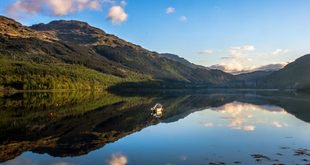
Kumrat Valley is one of those places in Pakistan that can make a simple trip feel like a real escape from everyday life. Located in Upper Dir, Khyber Pakhtunkhwa, the valley is known for its tall deodar forests, flowing rivers, green meadows, waterfalls, mountains, and peaceful natural surroundings. The Panjkora River runs through the valley and adds even more beauty to the landscape. For many travelers, Kumrat is especially attractive because it feels different from busy city destinations and offers a chance to spend time close to nature.
One question that comes to mind before planning a trip is the best time to visit Kumrat Valley. The answer depends on what kind of experience you want. If you want green forests, comfortable weather, camping, trekking, and easier access to popular attractions, the summer months are generally the most suitable. If you prefer fewer tourists, cooler weather, and beautiful autumn scenery, September and early October can also be excellent choices. Winter is very different because snowfall and difficult road conditions can make access to the upper valley challenging.
Kumrat Valley changes its appearance throughout the year. The same river, forests, mountains, and meadows can look completely different depending on the season. This is why choosing the right month is important. A traveler interested in trekking may choose a different time from someone who simply wants a peaceful family vacation.
In this guide, I will explain the best time to visit Kumrat Valley, what each season is like, which months are better for families and adventure travelers, what to expect from the weather, how rain can affect road conditions, what to pack, and how to plan your trip more comfortably.
Quick Answer: What Is the Best Time to Visit Kumrat Valley?
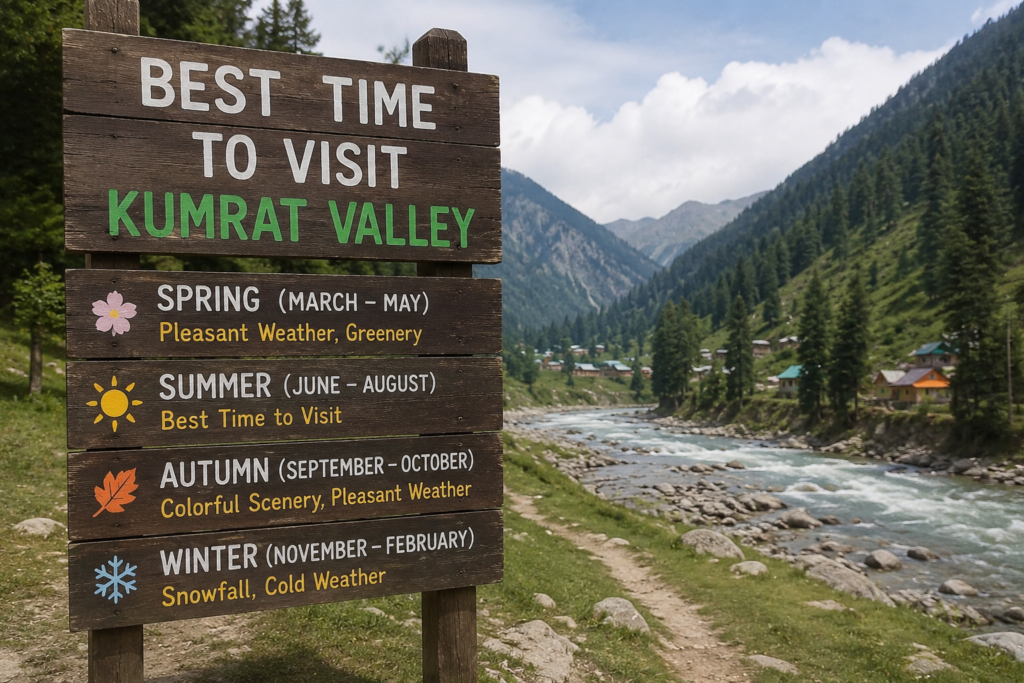
For most travelers, the best overall period to visit Kumrat Valley is from June to September. During these months, the valley is generally green, the weather is more suitable for outdoor activities, and access to popular areas is better than during the colder months. Several current travel sources also identify late spring through early autumn as the main travel window, with June through September being particularly useful for travelers who want to explore the valley fully.
If your main goal is trekking to higher places such as Jahaz Banda and Katora Lake, July through September is often a practical period because higher trails are more likely to be accessible after the winter snow has cleared. Conditions can still change quickly in the mountains, so checking local weather and road conditions shortly before traveling is important.
For a quieter trip, I would personally consider late September or early October. The summer rush starts to reduce, the weather becomes cooler, and the valley can have a peaceful atmosphere. However, higher routes may become less reliable as the season progresses, so travelers should not assume that every trail will remain open.
Winter is a completely different experience. Snow can make the valley beautiful, but access to the upper areas can become difficult or impossible. Some sources report that heavy snowfall can close roads and make the upper valley inaccessible during the colder months.
Why Timing Matters in Kumrat Valley
Kumrat is not a destination where every month offers the same travel experience. The mountains have a strong influence on the weather, road conditions, river levels, and accessibility of different attractions.
During the warmer months, the forests become lush and the meadows look fresh. The river is an important part of the scenery, while camping and hiking become much easier. This is also the period when more travelers visit the valley.
During autumn, the atmosphere becomes quieter. Temperatures start dropping, especially at night, but the valley can look incredibly peaceful. Photography lovers may enjoy this period because the softer light and changing vegetation create a different atmosphere.
Winter brings snow and cold temperatures. For experienced travelers who specifically want a winter mountain experience, this can be attractive. However, it is not necessarily the easiest time for someone visiting Kumrat Valley for the first time.
The timing of your trip can also affect your travel budget. The busiest summer months may have more demand for accommodation, transportation, and local services. Traveling during a quieter period may provide a more relaxed experience, but some services may be reduced.
This is why choosing the best time to visit Kumrat Valley is not only about temperature. It is also about accessibility, activities, crowds, road conditions, accommodation, and your personal travel style.
Kumrat Valley in Spring
Spring can be an interesting time to visit Kumrat Valley, especially for travelers who prefer greenery and fewer tourists. The season generally falls around April and May, although conditions can vary depending on altitude and the amount of winter snow.
As the weather starts getting warmer, snow begins to melt in the higher mountains. Water flows through streams and rivers, while vegetation begins to recover after the cold winter. The valley starts becoming greener and more inviting.
One advantage of spring is that it can be quieter than the summer holiday period. Travelers who do not enjoy large crowds may find this appealing. You can spend more time around the forest, river, and nearby natural areas without the same level of summer activity.
However, spring is not always the best choice if your main goal is to explore every high altitude attraction. Some higher trails may still have snow, and road conditions can change. Current travel information suggests that some higher trekking routes may remain snowbound during parts of spring.
If you decide to visit in spring, it is better to keep your itinerary flexible. Do not create a plan that depends entirely on reaching a high altitude lake or meadow unless you have confirmed the conditions locally.
Spring can be a good option for:
Nature walks
Photography
Peaceful sightseeing
Forest exploration
River views
Travelers who want fewer crowds
People who enjoy cool weather
For a first time visitor who wants the full classic Kumrat experience, I would still prefer the summer travel window over early spring.
April in Kumrat Valley
April can still feel like an early season month in Kumrat. The weather is cooler, and higher areas can have snow. The valley may not yet have the full green appearance that travelers often see in summer photographs.
The advantage is peace. If you are interested in photography and quiet surroundings, April can offer an interesting experience.
However, road and trail conditions should be checked before departure. Mountain weather is not always predictable, and conditions at higher elevations can be very different from conditions in lower areas.
Travelers should also understand that a photograph showing a completely green Kumrat Valley does not necessarily represent what the valley looks like throughout the year.
May in Kumrat Valley
May is closer to the main travel season. The weather generally becomes more comfortable, vegetation becomes greener, and access begins improving.
Some travelers consider May a good balance because it can offer pleasant scenery before the main summer rush. However, the exact conditions can vary from year to year.
If your goal is to enjoy the forest and valley without focusing heavily on high altitude trekking, May can be worth considering.
For adventure travelers, it is better to confirm the condition of routes leading toward Jahaz Banda and Katora Lake before making a fixed plan.
Kumrat Valley in Summer
Summer is the most popular period for visiting Kumrat Valley. June, July, and August are generally the months when the valley attracts the highest number of visitors.
The reason is simple. The weather is much more comfortable than in Pakistan’s hot plains, while the valley becomes green and suitable for outdoor activities. Current travel guides commonly identify June through September as a strong travel window for Kumrat.
Summer is also the season when many people come for camping, hiking, sightseeing, photography, and jeep trips.
The sound of the Panjkora River, the tall deodar trees, green slopes, and mountain air create the kind of environment that makes people want to stay longer than planned.
For many visitors, summer is the best time to visit Kumrat Valley because it provides the best combination of scenery, accessibility, and outdoor activities.
However, summer also has some disadvantages. July and August can be busy, and rain can affect roads and jeep tracks. Mountain weather can change quickly, so a sunny morning does not guarantee perfect conditions throughout the day.
June in Kumrat Valley
June is one of my favorite months to recommend for travelers who want a combination of green scenery and relatively comfortable travel conditions.
The valley begins looking increasingly fresh, and the weather is generally suitable for sightseeing and outdoor activities. Current travel sources describe summer daytime temperatures in the valley as comfortable, although exact conditions vary by location and elevation.
June is also useful for people who want to avoid the busiest part of the summer holiday period.
You can enjoy the forests, river, meadows, and waterfalls while planning outdoor activities during the daytime. Nights can still feel cold, especially when camping, so warm clothing should not be ignored.
If you are traveling with family, June can be a strong option because the weather is usually more comfortable than the colder months while the valley is already moving into its main tourist season.
July in Kumrat Valley
July is one of the busiest months in Kumrat Valley. The valley is usually very green, and many travelers arrive during school and summer holidays.
This month is particularly attractive for people interested in camping and trekking. The higher areas around Jahaz Banda and routes toward Katora Lake can be among the main reasons adventure travelers choose this period.
At the same time, July can bring rain. Rain is not necessarily a reason to cancel a trip, but it should be taken seriously in a mountainous area. Wet roads can become slippery, and jeep tracks can become more difficult.
Some current travel information specifically warns that monsoon conditions can affect roads and tracks in the region.
If you travel in July, keep some flexibility in your itinerary. Do not schedule every activity down to the hour. Mountain travel works better when you leave room for weather changes.
August in Kumrat Valley
August continues the main summer travel season. The valley remains green and attractive, and many tourists visit during this month.
The biggest advantage is the scenery. After rainfall, the forests and grass can look incredibly fresh. Waterfalls and streams can also become more impressive.
The main concern is road and weather conditions. Monsoon rainfall can create muddy sections and make jeep tracks more challenging. Travelers should check local conditions before going toward remote areas.
If you are planning a family trip in August, choose accommodation carefully and make sure you have a backup plan for rainy weather.
For photographers, August can be beautiful because clouds and mist can add atmosphere to mountain scenes. However, clouds can also reduce visibility, so do not plan an important viewpoint visit without allowing extra time.
September in Kumrat Valley
September is an excellent month for travelers who want a quieter version of the summer experience.
The weather begins becoming cooler, tourist numbers can reduce, and the valley can feel more peaceful. Some current travel guides describe late September and early October as particularly attractive for travelers who want fewer crowds and clearer scenery.
September can also be a good choice for photography. The light can be softer, mornings can feel fresh, and the combination of green forests and mountain scenery creates beautiful views.
However, you should remember that September is a transition period. Conditions at higher elevations can change faster than they do in the middle of summer.
If you are planning Katora Lake or another high altitude trek, confirm the current trail conditions before leaving.
For me, September is one of the best choices for travelers who want scenery without the busiest summer atmosphere.
Kumrat Valley in Autumn
Autumn brings a different personality to Kumrat Valley. The weather becomes cooler, the number of visitors can decline, and the environment becomes quieter.
September and October can be especially attractive to photographers and couples who want peaceful surroundings.
The tall deodar trees remain an important part of the scenery, while other vegetation can begin changing color. The combination of mountains, river, forest, and changing seasonal colors can create a very different visual experience.
Autumn is also a good time for travelers who do not enjoy very warm weather.
However, nights can become cold quickly. If you plan to camp, make sure your sleeping arrangements and clothing are suitable for colder conditions.
As October progresses, access to higher areas can become less reliable. Some sources indicate that upper trails may close as early snow begins affecting higher elevations.
October in Kumrat Valley
October can be beautiful but should be approached with more planning.
The days can still be pleasant, but temperatures drop, especially in the evening and early morning. The valley becomes quieter and the scenery can have autumn colors.
This month is better suited to travelers who want peaceful sightseeing rather than a trip focused on every possible trekking route.
Before traveling in October, check road conditions and local weather. Do not assume that the same routes available in July will remain equally accessible.
For a relaxed photography trip, October can be very enjoyable. For a first time family trip where easy access is the priority, June through September is generally a safer planning window.
Kumrat Valley in Winter
Winter changes Kumrat Valley completely.
Snow can cover the mountains, forests, roads, and open areas. The landscape can look magical, especially for people who love winter photography.
But beauty comes with practical challenges.
Heavy snowfall can affect road access, and the upper valley can become difficult or impossible to reach. Current sources report significant winter access problems and snow related closures in the upper valley.
For an experienced winter traveler with appropriate equipment and local knowledge, the snowy landscape may be attractive. For an ordinary tourist planning a simple family vacation, winter is generally not the easiest choice.
If you want to see snow, it is important to distinguish between wanting to see a snowy landscape and wanting to travel deep into the upper valley during winter.
These are two very different experiences.
November to March
November through March represents the colder part of the year.
Snow and freezing temperatures can affect higher areas, while road access can become difficult. Services that operate during the main tourist season may also be reduced.
For this reason, these months are not generally what I would recommend for a first visit if your main goal is to explore the classic attractions of Kumrat Valley.
Winter travel should be treated as a specialized mountain trip rather than a normal sightseeing vacation.
Which Month Is Best for Families?
For families, I would recommend June, early July, or September depending on the type of weather and crowd level you prefer.
June is attractive because the valley is entering its main season and outdoor conditions are generally suitable.
July provides the full summer atmosphere but can be busier and wetter.
September offers a quieter environment and cooler weather.
Families traveling with young children should avoid making an itinerary that requires long or difficult treks. The beauty of Kumrat can be enjoyed without trying to visit every high altitude location.
A relaxed trip around the river, forest, waterfalls, and accessible areas can be more enjoyable than rushing from one attraction to another.
Which Month Is Best for Couples?
Couples who want peaceful scenery may enjoy September and early October.
The cooler weather, quiet surroundings, mountain views, river, and forests create a naturally romantic environment.
June can also be a good option if you prefer greener landscapes and more predictable summer access.
If you are planning a couple trip, I recommend spending enough time in one area instead of trying to cover the entire valley quickly. Kumrat is a place where slow travel can be more enjoyable.
Which Month Is Best for Camping?
Summer is generally the most practical season for camping in Kumrat Valley.
June through September offers the best combination of accessible roads, green scenery, and outdoor conditions. Current travel information also identifies summer as the main camping period.
Even during summer, nights can be cold. Do not pack as if you are camping in Islamabad or Lahore during summer.
Take a warm sleeping bag, warm layers, socks, and a rain resistant outer layer.
If rain is expected, protect your tent and electronic equipment properly.
A good camping experience is not only about choosing the right month. It is also about choosing a safe campsite and being prepared for changing weather.
Which Month Is Best for Trekking?
If trekking is your main reason for visiting, July through September is generally a strong period to consider.
Higher altitude routes such as Jahaz Banda and Katora Lake can remain affected by snow earlier in the year. Current travel information identifies July through September as a more reliable window for these higher treks.
However, trekking conditions depend on current weather.
Always ask local guides or experienced travelers about trail conditions before starting a high altitude trek.
Do not judge a mountain trail only by looking at the weather in the valley. Conditions can be completely different higher up.
Best Time for Katora Lake
Katora Lake is one of the attractions that makes Kumrat particularly interesting for adventure travelers.
The trek involves higher elevation than the main valley, which means conditions can be considerably colder and more difficult.
For this reason, the timing of your visit matters more if Katora Lake is your main objective.
July, August, and September are generally the months to consider, but the exact trail condition can change from year to year.
A good strategy is to plan your Kumrat trip first and treat Katora Lake as a weather dependent activity rather than assuming it will always be accessible.
If conditions are poor, it is better to enjoy the lower valley than to take unnecessary risks.
Best Time for Jahaz Banda
Jahaz Banda is another popular high altitude destination associated with Kumrat.
The open meadow environment provides a contrast to the dense forests lower in the valley.
Summer is generally the best season for reaching the area, particularly after higher snow has cleared.
Late summer can provide beautiful green scenery, while early autumn can offer cooler weather and fewer visitors.
Because Jahaz Banda is at higher elevation, the temperature can be much colder than the valley floor. Pack accordingly.
Best Time for Photography
If photography is your main goal, you have several good options.
June and July are excellent for lush green landscapes.
August can provide dramatic clouds, mist, and fresh vegetation after rain.
September can offer clearer skies, cooler light, and fewer tourists.
October can provide autumn atmosphere and changing colors.
The best choice depends on the kind of photographs you want.
For classic Kumrat photographs with green forests and a strong river, summer is difficult to beat.
For quiet landscape photography, September may be even better.
Best Time for a Peaceful Trip
If you dislike crowds, avoid the busiest summer holiday periods.
Late September and early October can be a better choice. Visitor numbers generally decrease after the peak summer period, and the atmosphere can become much calmer.
A peaceful trip is also easier if you travel on weekdays rather than weekends.
Another useful tip is to start your sightseeing early in the morning. Early morning light is beautiful, the air is fresh, and popular locations can be quieter.
How Rain Affects Your Kumrat Trip
Rain is an important factor when planning a trip to Kumrat Valley.
Rain can make the valley look more beautiful. Forests become greener, waterfalls can become more active, and clouds can create dramatic mountain scenery.
But rain can also make roads and jeep tracks difficult.
The route from Thal into the valley includes rough sections where a four wheel drive vehicle is commonly used. Current travel sources describe the upper road and tracks as requiring suitable vehicles, particularly when conditions are wet.
This is why you should never plan a mountain trip based only on a general weather forecast.
Check the local forecast and ask about road conditions shortly before traveling.
If heavy rainfall is expected, consider delaying a remote excursion.
How to Choose the Right Time Based on Your Travel Style
The best time to visit Kumrat Valley is different for every traveler.
If you are a family traveler, choose June or September.
If you are a camper, choose June through September.
If you are a trekker, consider July through September.
If you are a photographer, consider September or early October.
If you want lush greenery, choose June through August.
If you want fewer crowds, choose September or early October.
If you want snow, winter can provide a completely different experience, but you must be prepared for difficult access.
This simple approach can make your planning much easier.
How Many Days Are Enough for Kumrat Valley?
I recommend at least three days for a proper Kumrat trip.
A three day trip gives you enough time to travel into the valley, explore the main surroundings, enjoy the river and forest, and spend some time relaxing.
Four or five days is better if you want to include trekking and additional sightseeing.
Current travel guides also suggest that three to five days can be a practical duration for seeing the main valley and planning higher excursions without rushing.
Remember that the journey itself can take many hours depending on your starting point and road conditions.
Trying to complete Kumrat in one day is not something I would recommend.
Traveling to Kumrat Valley From Islamabad
Many travelers from Islamabad plan their Kumrat trip through the Swat Motorway toward Chakdara and then continue through Dir toward Thal.
Current travel information places the road journey from Islamabad to Kumrat in the several hundred kilometer range, with travel times varying significantly depending on traffic, stops, and road conditions.
Thal is an important gateway for the valley.
From Thal, the road into the main valley becomes more challenging, and travelers commonly use four wheel drive jeeps for the rougher sections.
If you are driving from Islamabad, do not plan the trip too tightly. Mountain travel takes longer than a normal motorway journey.
Keep extra time for fuel stops, meals, traffic, weather, and road conditions.
Should You Use a Jeep in Kumrat Valley?
For the rougher sections inside Kumrat Valley, a local jeep is commonly used.
A normal city car is not ideal for rough tracks, especially after rain.
Hiring a local driver also has another advantage. Local drivers understand the roads, river crossings, weather patterns, and changing track conditions better than a visitor who has never been there before.
If you are traveling with family or carrying camping equipment, a suitable four wheel drive vehicle can make the trip much more comfortable.
Do not choose a vehicle only because it is cheaper. Safety and reliability are more important in a mountain valley.
What to Pack for Kumrat Valley
Your packing list should change according to the season.
For a summer trip, take:
Warm clothes
A waterproof jacket
Comfortable walking shoes
Extra socks
Sun protection
Sunglasses
A power bank
Basic medicines
Personal hygiene items
A water bottle
A small backpack
Flashlight
Rain protection
If you are camping, add a suitable sleeping bag, sleeping mat, tent if needed, and extra warm clothing.
Even during summer, evenings can feel cold in the mountains. Some current travel sources specifically note that nights can become chilly even during the main summer season.
For autumn, add more layers.
For winter, ordinary tourist clothing is not enough. Proper cold weather equipment and experience are important.
What Shoes Should You Wear?
Shoes can make a big difference in Kumrat.
If you plan to stay around the main valley, comfortable walking shoes may be enough.
If you are trekking, use proper hiking shoes with good grip.
Avoid wearing smooth sole casual shoes on wet rocks or muddy trails.
The valley includes riverbanks, stones, uneven ground, and forest paths. Good footwear reduces the chance of slipping and makes long walks much easier.
Food and Water During the Trip
You will find local food and basic services in tourist areas, but do not expect the same choices you would have in a large city.
It is useful to carry snacks such as biscuits, dry fruit, energy bars, and other lightweight food.
Keep drinking water with you, especially when trekking.
Do not assume that every natural stream is safe to drink directly.
A water filter or properly treated water can be useful for longer outdoor trips.
Where to Stay in Kumrat Valley
Accommodation options can include camps, cabins, guesthouses, and local stays depending on the season and exact location.
During peak summer, demand can increase significantly.
If you are traveling during July or August, booking ahead can be a sensible idea, especially for families and groups.
If you travel in a quieter month, you may have more flexibility.
However, remote mountain accommodation should be viewed differently from a city hotel. Electricity, internet, heating, and other facilities may not always be consistent.
The main attraction of Kumrat is nature, so prepare yourself for a simpler travel experience.
Is Kumrat Valley Good for a Family Trip?
Yes, Kumrat can be a good family destination if the trip is planned according to the family’s comfort level.
Families can enjoy the river, forest, green surroundings, and accessible sightseeing areas without doing difficult treks.
The main thing is to avoid rushing.
Children should be supervised near rivers and waterfalls. Mountain rivers can look peaceful in photographs but may have strong currents.
If traveling with elderly family members, avoid activities that require long walks or steep trails.
June and September can be particularly comfortable choices for families because they combine pleasant outdoor conditions with a more manageable travel environment.
Is Kumrat Valley Good for Adventure Travelers?
Kumrat is particularly attractive for people who enjoy adventure.
Jeep rides, trekking, camping, mountain photography, forest walks, and high altitude excursions can all be part of the experience.
Jahaz Banda and Katora Lake are popular objectives for travelers looking for more challenging activities.
The best season for these activities is generally the warmer travel window, especially July through September for higher trekking routes.
Adventure should always be balanced with safety.
Mountain conditions can change quickly. A trail that feels easy in dry weather can become difficult after rain.
Is Kumrat Valley Expensive?
The cost of a Kumrat trip depends on where you are traveling from, how many people are in your group, the type of accommodation you choose, transportation, and the number of activities you include.
Traveling with a group can reduce the cost per person because transportation expenses can be shared.
Camping can also be a different budget option from staying in private accommodation.
Your biggest expenses may include transportation, jeep charges, accommodation, food, and activities.
It is a good idea to keep some extra cash because payment options can be limited in remote areas.
How to Avoid Crowds in Kumrat Valley
If you want a quieter experience, timing matters.
Try to travel during weekdays.
Avoid major holiday rush periods when possible.
Choose September instead of the busiest summer weeks.
Start sightseeing early in the morning.
Stay slightly away from the busiest camping areas if possible.
A quieter schedule can completely change your experience.
Kumrat is a place where sitting beside the river and listening to the water can be more enjoyable than trying to visit ten places in one day.
Safety Tips for Visiting Kumrat Valley
Mountain travel requires common sense.
Always check the weather before traveling.
Ask about road conditions.
Use a suitable vehicle on rough tracks.
Do not go close to fast moving river water.
Avoid crossing streams when water levels are high.
Keep your phone charged.
Carry a power bank.
Tell someone about your travel plan.
Keep important documents safe.
Do not depend entirely on mobile internet.
Carry enough cash.
Follow instructions from local authorities and experienced local guides.
If you are trekking, do not separate from your group without informing others.
Most importantly, do not take unnecessary risks just to get a photograph.
Responsible Tourism in Kumrat Valley
Kumrat is beautiful because of its forests, rivers, mountains, and natural environment.
Visitors should help keep it that way.
Do not throw plastic bottles or food wrappers on the ground.
Avoid damaging trees.
Do not disturb wildlife.
Use designated camping areas where possible.
Take your waste with you.
Avoid unnecessary noise in quiet natural areas.
Respect local communities and their customs.
Responsible tourism is especially important in places that are becoming more popular.
A beautiful destination can quickly lose its charm if visitors do not care about the environment.
A Simple Three Day Kumrat Valley Plan
A three day trip can be planned in a simple way.
Day One
Travel toward Kumrat Valley and reach your accommodation or campsite.
After settling in, spend the evening exploring the nearby river and forest.
Do not overload your first day with activities because the journey itself can be tiring.
Day Two
Start early and explore the major accessible attractions.
Spend time around the forest and river.
If weather and conditions allow, take a suitable jeep excursion.
Return before it becomes dark.
Day Three
Enjoy a relaxed morning.
Take photographs.
Have breakfast near the river if your accommodation allows it.
Then begin your journey back.
If you have four or five days, you can add a higher altitude trek or another day of relaxed sightseeing.
A Five Day Kumrat Valley Plan
A five day trip gives you more breathing room.
Day one can be used for the journey.
Day two can focus on the main valley and waterfall.
Day three can be used for a jeep trip and additional sightseeing.
Day four can be reserved for a trek if weather and trail conditions are suitable.
Day five can be used for a relaxed morning and return travel.
This type of itinerary is much better than trying to complete everything quickly.
Best Time to Visit Kumrat Valley for Photography
Photography is one of the easiest reasons to choose your travel season.
If you want bright green landscapes, visit during summer.
If you want clouds and dramatic weather, late summer can be interesting.
If you prefer quieter scenes and softer light, September can be excellent.
If you want autumn atmosphere, consider late September or October.
Early mornings and late afternoons are usually better for landscape photography because the light is softer.
Do not forget to protect your camera and phone from rain.
A simple waterproof bag can save expensive equipment during an unexpected shower.
Best Time to Visit Kumrat Valley for Nature Lovers
Nature lovers have something to enjoy in almost every season.
Summer provides greenery, flowing water, and accessible outdoor areas.
Autumn provides cooler weather and peaceful surroundings.
Winter provides snow and a completely different landscape.
Spring provides fresh vegetation and a sense of the valley waking up after winter.
Still, if you want the widest range of accessible nature experiences, June through September is the strongest overall window.
What Makes Summer Special in Kumrat?
The main attraction of summer is the combination of green scenery and comfortable outdoor conditions.
The deodar forests create shade and give the valley its unique character.
The Panjkora River adds movement and sound to the landscape.
The surrounding mountains provide a dramatic background.
Green meadows create excellent areas for photography and camping.
Because many attractions are more accessible during summer, travelers can build a more complete itinerary.
This is why the answer to the question what is the best time to visit Kumrat Valley is usually connected with summer.
What Makes September Special?
September is sometimes overlooked because most people immediately think about June, July, and August.
But September can be one of the most enjoyable months for travelers who value peace.
The summer season is slowly changing.
The weather becomes cooler.
Crowds can reduce.
The natural landscape remains attractive.
The valley feels less rushed.
If I had to recommend one month for a traveler who wants a balance between scenery, outdoor activities, and fewer crowds, September would be high on my list.
Can You Visit Kumrat Valley in Winter?
Technically, winter travel can be possible in certain areas and under suitable conditions, but it should not be treated like a normal summer trip.
Snow can block roads.
The upper valley can become inaccessible.
Facilities may be limited.
Temperatures can become extremely cold.
For experienced winter travelers, the challenge can be part of the adventure.
For beginners, I would recommend visiting during the main travel season instead.
If your main goal is simply to see snow, there may be easier and safer mountain destinations depending on the current conditions.
What Is the Best Time to Visit Kumrat Valley From Islamabad?
For travelers starting from Islamabad, I would generally recommend June to September, with June and September being particularly attractive if you want to avoid some of the busiest conditions.
The journey is long enough that you should not choose your dates only based on the weather inside Islamabad.
Check the weather along the route and in Upper Dir.
Road conditions can also influence travel time.
Some current travel sources estimate the Islamabad to Kumrat road journey at roughly 370 to 385 kilometers and around eight to nine hours under favorable conditions, while other local travel information gives longer estimates depending on stops and road conditions.
Because mountain roads are unpredictable, always allow extra time.
Common Mistakes Travelers Make
One common mistake is visiting without checking the weather.
Another is assuming that summer means warm weather everywhere in the valley.
Another mistake is packing only light clothes.
Some travelers also underestimate the distance and travel time.
Others try to cover too many attractions in one day.
Another mistake is ignoring rain warnings.
It is also important not to depend entirely on online information from an old travel video. Road conditions and local arrangements can change.
Always check recent information before departure.
Frequently Asked Questions
What is the best time to visit Kumrat Valley?
The best overall period is generally June to September. This is the main season for greenery, outdoor activities, camping, and better access to popular attractions.
Is June a good month for Kumrat Valley?
Yes. June is a strong option because the valley is green and the weather is generally suitable for sightseeing and outdoor activities.
Is July good for Kumrat Valley?
Yes. July is one of the most popular months. The valley is green and many outdoor activities are available, but rain and crowds can be factors.
Is August good for Kumrat Valley?
August can be beautiful because the valley is lush and green. However, monsoon rain can affect roads and jeep tracks.
Is September a good time to visit Kumrat Valley?
Yes. September is an excellent choice for travelers who want cooler weather, beautiful scenery, and potentially fewer crowds.
Can I visit Kumrat Valley in October?
Yes, but conditions become cooler and higher routes may become less reliable as winter approaches. Check current road and trail conditions before traveling.
Can I visit Kumrat Valley in winter?
Winter travel can be difficult because snowfall may affect access to the upper valley. It is better suited to experienced travelers who are prepared for winter mountain conditions.
What is the best time for Katora Lake?
July through September is generally a useful period to consider for the higher trek, although actual trail conditions should always be checked before starting.
What is the best time for camping?
June through September is generally the best camping period because outdoor conditions and accessibility are more favorable.
Is Kumrat Valley suitable for families?
Yes. Families can enjoy the river, forests, scenery, and accessible attractions without taking difficult treks.
Do I need a jeep in Kumrat Valley?
For rougher tracks inside the valley and trips toward certain attractions, a four wheel drive jeep is commonly used.
How many days should I spend in Kumrat?
Three days can cover the main experience, while four or five days are better if you want to include trekking and more relaxed sightseeing.
Is Kumrat Valley crowded in summer?
It can be, especially during the main holiday period in July and August. Traveling in June or September can provide a more relaxed experience.
Final Thoughts
Choosing the best time to visit Kumrat Valley depends on what you want from the trip.
If you want the classic Kumrat experience with green forests, comfortable weather, camping, sightseeing, and better access to outdoor attractions, I would choose June to September.
If you want the busiest summer atmosphere and do not mind crowds, July and August are good choices.
If you want a quieter trip with cooler weather, September is one of the best options.
If you enjoy autumn scenery and peaceful surroundings, late September and early October can be rewarding, but you should check the condition of higher trails.
If you want snow, winter offers a completely different Kumrat experience, but access can become difficult and it requires much more preparation.
For a first visit, I would personally choose June or September. June gives you the feeling of entering the main summer season, while September gives you cooler weather and a quieter atmosphere.
No matter which month you choose, remember that mountain travel is always affected by weather. Check the forecast before leaving, ask about road conditions, use a suitable vehicle, carry warm and waterproof clothing, and keep your itinerary flexible.
Kumrat Valley is not only about visiting a famous waterfall or taking a photograph beside the river. The real attraction is the complete experience of being surrounded by forests, mountains, fresh air, flowing water, and quiet natural scenery.
Take your time.
Enjoy the road.
Respect the local people.
Keep the valley clean.
And most importantly, choose a season that matches the experience you actually want.
For most travelers, the summer and early autumn window remains the safest and most enjoyable answer to the question of the best time to visit Kumrat Valley. With a little preparation and realistic expectations, your trip can become one of those mountain journeys that you remember for a very long time.
Quick Seasonal Summary
| Season | Months | Best For | Main Consideration |
|---|---|---|---|
| Spring | April to May | Greenery, photography, quiet travel | Higher routes may still have snow |
| Summer | June to August | Camping, sightseeing, trekking | Crowds and occasional rain |
| Late Summer | September | Peace, photography, outdoor travel | Cooler nights |
| Autumn | October | Quiet trips and scenery | Higher routes become less reliable |
| Winter | November to March | Snow scenery and experienced travelers | Difficult access and extreme cold |
The most practical answer remains simple: June to September is generally the best time to visit Kumrat Valley, while September can be especially attractive for travelers who want a quieter and cooler experience.