 travelguaidewithme
Related Articles
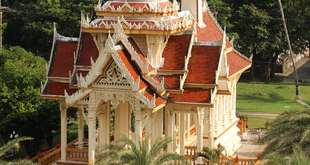


Thailand is famous for its beautiful temples, peaceful surroundings, golden Buddha statues, and rich cultural traditions. For many travelers, visiting a Thai temple is one of the most memorable parts of a trip. Temples can be found in busy cities, quiet villages, historic towns, and popular tourist destinations. Each temple offers visitors a chance to learn more about Thai culture and Buddhism.
However, temples in Thailand are not simply tourist attractions. They are also important religious places where people come to pray, make offerings, meditate, and take part in religious activities. Because of this, tourists should follow basic Thailand temple etiquette during their visit.
Knowing the proper temple manners makes your visit more respectful and comfortable. It also helps you avoid situations that may unintentionally offend local people. The good news is that temple etiquette in Thailand is not difficult to understand. A few simple rules about clothing, behavior, photography, footwear, and communication can make a big difference.
This guide explains the most important Thailand temple etiquette rules for tourists and provides practical advice for visiting temples respectfully.
Why Temple Etiquette Matters in Thailand
Buddhism has a strong influence on Thai culture and daily life. Temples, known locally as wat, are important places for religious practice and community activities.
When tourists enter a temple, they are entering a sacred environment. Even when a temple is surrounded by shops, restaurants, and tourist attractions, the religious importance of the place remains.
Following proper temple etiquette shows respect for Thai culture and for the people who use these temples for worship. It also helps preserve the peaceful atmosphere that makes many Thai temples special.
You do not need to be Buddhist to visit a Thai temple. Visitors from different religions and backgrounds are generally welcome, but everyone should behave respectfully.
Dress Modestly When Visiting Thai Temples
One of the most important Thailand temple etiquette rules concerns clothing.
Tourists should choose modest clothing when visiting temples. Clothing should generally cover the shoulders and knees. Very short shorts, short skirts, crop tops, and revealing shirts are not appropriate for many temples.
For women, a long skirt, loose trousers, or a dress that covers the knees is usually a good choice. A shirt that covers the shoulders is also recommended.
Men can wear long trousers or longer shorts and a shirt that covers the shoulders. Loose, comfortable clothing is especially useful because Thailand can be hot and humid.
Some major temples have stricter dress requirements. Visitors may be asked to cover their shoulders or legs before entering certain buildings. Some temples provide coverings for visitors who are not dressed appropriately, but it is better to arrive prepared.
If you plan to visit several temples in one day, wearing modest clothing from the beginning is easier than changing clothes between visits.
Remove Your Shoes When Required
Removing shoes is another important part of temple etiquette in Thailand.
In many Thai temples, visitors are expected to remove their shoes before entering certain buildings. Look for signs, shoe racks, or observe what local visitors are doing.
Shoes are commonly left outside the entrance. It is useful to wear simple footwear that can be removed and put back on easily.
Do not worry if you are unsure about where to leave your shoes. You can quietly observe other visitors or ask a staff member.
Inside some temple buildings, the floor may be used for sitting, praying, or meditation. Removing shoes helps keep these areas clean and shows respect for the religious space.
Remember to collect your shoes when leaving. Busy tourist temples can have many pairs of footwear near the entrance.
Behave Quietly Inside the Temple
Temples are usually peaceful places, so visitors should keep their voices low.
Avoid shouting, laughing loudly, playing music, or having noisy conversations inside temple buildings. Even if you are traveling with friends or family, try to maintain a calm atmosphere.
You may see people praying or meditating. Give them enough space and avoid disturbing them.
If you need to speak with another person, use a quiet voice. Put your phone on silent mode before entering a prayer hall.
This simple behavior is one of the easiest ways to show respect.
Treat Buddha Images With Respect
Buddha images are highly respected in Thailand. Tourists should avoid treating Buddha statues as ordinary decorations or props.
Do not climb on Buddha statues, sit on them, lean against them, or touch them unnecessarily. Avoid placing personal belongings on or near Buddha images.
When taking photographs, make sure you are not creating an inappropriate pose near a Buddha statue.
Some temples have signs explaining photography rules or areas where photography is not permitted. Always follow these instructions.
If you are unsure whether something is acceptable, it is safer to observe local worshippers and follow the temple’s instructions.
Be Careful When Taking Photos
Thailand has many beautiful temples, and photography is often allowed in outdoor areas and certain interior spaces. However, not every area permits photographs.
Look for signs that say photography is prohibited. Some temples may also restrict photography during religious ceremonies.
Never use flash photography if it is not allowed. Flash can disturb people who are praying and may be harmful or inappropriate around certain religious objects.
When photographing people, especially people who are praying, be considerate. Do not place a camera directly in front of someone’s face while they are worshipping.
A respectful photograph can capture the beauty of a temple without disturbing the people who are there.
Do Not Pose Disrespectfully
Taking travel photographs is a normal part of visiting Thailand, but your poses should remain respectful.
Avoid sitting on Buddha statues or pretending to pray as a joke. Do not make exaggerated poses that turn a religious object into a humorous photo prop.
You can take beautiful photographs while standing at an appropriate distance from religious objects.
Think about how the photograph would look if someone were using the temple for sincere worship. If the pose could appear disrespectful, choose another pose.
Walk Carefully Around Worshippers
When walking through a temple, pay attention to people who are praying or participating in religious activities.
Do not walk directly in front of someone who is praying if you can avoid it. Give people enough space and move slowly through crowded areas.
If a religious ceremony is taking place, stay at the edge of the area unless visitors are clearly invited to participate.
Tourists do not need to understand every Buddhist tradition to behave respectfully. Basic awareness and consideration are usually enough.
Learn How to Sit Properly
Temple visitors may see people sitting on the floor during prayers or meditation. If you sit inside a temple, avoid pointing your feet toward Buddha images or other people.
In Thai culture, feet are generally considered the least respectful part of the body. Pointing your feet toward a person or sacred object can be considered rude.
When sitting on the floor, you can sit cross legged or in another comfortable position that keeps your feet directed away from Buddha images.
If you need to change your position, do so quietly and carefully.
Do Not Point Your Feet at People or Buddha Images
This rule deserves special attention because it is an important part of Thai cultural etiquette.
Avoid pointing your feet toward Buddha statues, monks, or people. This includes stretching your legs directly toward a religious image while sitting.
If you accidentally point your feet in the wrong direction, simply adjust your position. There is no need to panic.
Understanding this small cultural difference can help international visitors behave more respectfully.
Be Respectful Around Monks
Monks are an important part of Thai Buddhist communities. Tourists may see monks praying, walking through temple grounds, teaching, or receiving offerings.
Visitors should behave politely around monks just as they would around other religious figures.
Do not interrupt a monk who is praying or engaged in a religious activity. If you want to speak with a monk, look for an appropriate opportunity or follow the temple’s guidance.
There are also traditional rules regarding physical contact between monks and women. Women should generally avoid handing objects directly to monks unless the temple provides a suitable method. A local guide or temple staff member can explain the appropriate procedure.
Men should also behave respectfully and avoid unnecessary physical contact.
Avoid Touching Religious Objects
Temples contain many religious objects, statues, decorations, and ceremonial items. Visitors should avoid touching them unless permission is clearly given.
A beautiful statue may look interesting, but that does not mean it is meant to be touched.
Do not move objects for photographs or handle offerings unless you are participating in a religious activity and know the correct procedure.
If you see an object that you do not understand, simply observe it or ask a guide about its meaning.
Follow Temple Signs
Every temple can have slightly different rules.
Some temples are very popular with tourists and have clear signs explaining what visitors can and cannot do. Others may be smaller local temples with fewer signs.
Pay attention to instructions about clothing, photography, footwear, restricted areas, and religious ceremonies.
If a door or area appears closed to visitors, do not enter simply because it looks interesting. Restricted areas may be reserved for monks or religious activities.
Following signs is one of the easiest ways to avoid misunderstandings.
Be Careful With Food and Drinks
Food and drinks are usually not appropriate inside prayer halls unless specifically permitted.
Before entering a temple building, finish your food or put it away. Avoid carrying open drinks into sacred areas.
You should also avoid chewing gum or eating while walking through a prayer hall.
If you need water because of the hot weather, check whether there is an appropriate outdoor area where you can drink.
Thailand can be extremely warm, so carrying water is sensible. Just remember to use it respectfully.
Keep Your Phone on Silent
Modern technology is part of everyday life, but temples are places where quiet behavior is appreciated.
Before entering a temple building, switch your phone to silent mode. Avoid taking calls inside prayer halls.
If you must answer an important call, step outside and speak quietly.
Also avoid using loud videos or music while walking around temple grounds.
A silent phone helps maintain the peaceful environment and prevents you from disturbing worshippers.
Respect Temple Ceremonies
You may visit a temple while a ceremony is taking place. This can be an interesting opportunity to observe Thai Buddhist traditions.
However, remember that the ceremony is not a performance created for tourists.
Stay at a respectful distance and observe quietly. Do not walk through groups of people unless necessary.
Photography should only be done when permitted.
If people are kneeling, praying, chanting, or making offerings, avoid copying their actions as a joke. If you genuinely want to participate in an activity, ask whether visitors are welcome.
Ask Before Joining Religious Activities
Some temples may allow visitors to participate in certain activities, while others may prefer tourists to observe.
If you want to light incense, make an offering, meditate, or take part in another practice, look for instructions or ask a temple staff member.
Do not take religious items simply because you see other people using them.
When visitors follow the correct procedure, participation can become a meaningful cultural experience rather than simply another tourist activity.
Be Respectful When Making Donations
Many Thai temples accept donations for maintenance, religious activities, community projects, or other purposes.
If you want to make a donation, use official donation boxes or follow the temple’s instructions.
You do not have to donate to enter every temple. Avoid feeling pressured by unofficial requests.
If a temple provides a specific donation procedure, follow it rather than creating your own method.
A small donation made respectfully can be a simple way to support a place you have enjoyed visiting.
Avoid Public Displays of Disrespect
Tourists should remember that temple grounds are not the same as ordinary public spaces.
Avoid lying down casually inside prayer halls, shouting, behaving aggressively, or using the temple as a place for entertainment.
Romantic behavior should also be kept private and modest.
The best approach is simple. Behave in a way that allows local visitors to continue their religious activities comfortably.
Temple Etiquette for Children
Thailand is a family friendly destination, and children are welcome at many temples. Parents should explain basic temple manners before entering.
Tell children to use quiet voices, avoid touching statues, and stay close to the family.
Children may naturally be curious about decorations and religious objects. Instead of simply telling them not to touch things, explain why these objects are important.
This can turn a temple visit into a useful cultural learning experience.
Temple Etiquette for Tourists With Disabilities
Visitors with mobility limitations may find some historic temples challenging because of stairs, uneven surfaces, or narrow entrances.
If you need assistance, ask temple staff politely. Modern and popular temples may have more accessible facilities, but accessibility varies between locations.
Do not worry about following every traditional movement perfectly if a physical limitation makes it difficult. Respectful behavior and genuine consideration are what matter.
What Should You Wear to a Thai Temple?
A simple temple outfit can make your visit much easier.
For women, good options include:
Long trousers with a modest shirt
A long skirt with a shirt covering the shoulders
A loose dress that covers the knees and shoulders
For men, suitable options include:
Long trousers with a shirt
Longer shorts with a modest shirt where permitted
Lightweight trousers with a comfortable top
Because Thailand is warm, choose breathable fabrics. A light scarf or shawl can also be useful for covering the shoulders when necessary.
Common Temple Etiquette Mistakes to Avoid
Many mistakes happen because visitors do not know the local customs. Most can easily be avoided.
Do not enter restricted areas.
Do not climb on Buddha statues.
Do not point your feet toward Buddha images.
Do not touch religious objects without permission.
Do not take photographs where photography is prohibited.
Do not shout inside prayer halls.
Do not disturb people who are praying.
Do not wear revealing clothing.
Do not leave rubbish behind.
Do not treat religious ceremonies as entertainment.
Do not make disrespectful poses for photographs.
These rules are simple, but following them can make your visit much more pleasant.
How to Prepare Before Visiting a Thai Temple
A little preparation can save you from uncomfortable situations.
Before visiting a temple, check whether there are specific dress requirements. Wear appropriate clothing and comfortable footwear.
Carry a small bag for shoes if you expect to visit several temples where footwear must be removed.
Keep a scarf or light covering available if you need to cover your shoulders.
Check whether photography is permitted.
If you are visiting a famous temple, expect crowds and allow extra time.
Most importantly, approach the visit with curiosity and respect.
Final Thoughts on Thailand Temple Etiquette
Visiting a Thai temple is more than checking another attraction off your travel list. It is an opportunity to experience an important part of Thailand’s culture and religious life.
The most important Thailand temple etiquette rules are easy to remember. Dress modestly, remove your shoes when required, speak quietly, respect Buddha images, avoid pointing your feet at sacred objects, ask before touching or participating, and follow temple instructions.
You do not need to know every Buddhist tradition before visiting a temple. A respectful attitude, careful observation, and willingness to follow local customs are usually enough.
When tourists understand and respect temple etiquette in Thailand, they can enjoy these beautiful places while also showing consideration to the people who worship there. A little preparation can make your temple visit more comfortable, meaningful, and memorable.
Whether you are exploring famous temples in Bangkok, visiting historic sites in Chiang Mai, or discovering a quiet local wat in a smaller town, remember that every temple deserves respect. Travel becomes more rewarding when we take time to understand the places and cultures we visit.