 travelguaidewithme
Related Articles
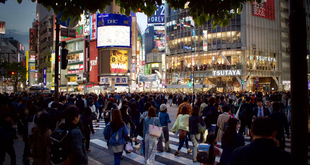
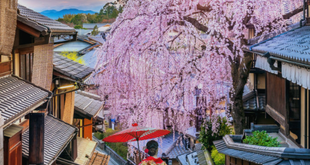
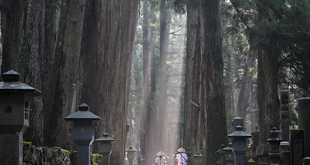
Planning your first trip to Japan can feel exciting and confusing at the same time. Japan has modern cities, peaceful temples, beautiful gardens, traditional villages, delicious food, and a unique culture. For a first time visitor, there are many things to think about before leaving home. Choosing the right cities, preparing travel documents, booking accommodation, planning transportation, and creating a realistic budget can make the trip much easier.
The good thing is that you do not need to plan every minute of your vacation. A simple and organized travel plan can help you enjoy Japan without feeling rushed. This guide explains how to plan your first trip to Japan step by step, from choosing your travel dates to preparing for your return home.
Decide Why You Want to Visit Japan
The first step is to understand what you want from your Japan trip. Japan offers many different experiences, so your interests can help you decide where to go.
Some travelers are interested in Japanese history and traditional culture. They may want to visit Kyoto, Nara, temples, shrines, gardens, and historic neighborhoods. Other travelers may prefer modern cities, shopping, technology, and entertainment. Tokyo and Osaka can be excellent choices for these interests.
Nature lovers may want to include Mount Fuji, Hokkaido, the Japanese Alps, or other scenic areas. Food lovers may want to spend more time exploring local restaurants and traditional markets.
Think about what you would like to remember most about your trip. This will help you choose destinations instead of trying to visit every famous place in one vacation.
Choose the Best Time to Visit Japan
Japan can be visited throughout the year, but every season has a different atmosphere.
Spring is popular because of cherry blossoms and comfortable weather in many parts of the country. However, popular areas can become very busy during the cherry blossom period.
Summer is warmer and can be humid. It is also a good season for mountain areas and certain outdoor activities.
Autumn is known for colorful leaves and pleasant temperatures in many regions. It can be an attractive time for sightseeing and photography.
Winter brings cold weather to many areas, while northern Japan receives significant snowfall. Winter can be especially interesting if you want to experience snow or visit ski destinations.
When choosing your travel dates, consider weather, crowds, accommodation prices, and your personal schedule. There is no single perfect season for every traveler.
Set Your Japan Travel Budget
Creating a budget before booking anything is one of the most important steps when planning your first trip to Japan.
Your total cost can include flights, accommodation, transportation, food, sightseeing, shopping, travel insurance, internet access, and emergency expenses.
Start by estimating the cost of your international flight. Then create separate amounts for hotels, local transportation, meals, attractions, and personal spending.
Japan offers different types of accommodation and restaurants, so travelers can have very different budgets. You can find simple accommodation as well as luxury hotels. Food choices also range from inexpensive local meals to high end restaurants.
It is useful to keep an emergency amount separate from your main travel budget. Unexpected transportation costs, changes in plans, or other situations can happen during any international trip.
Check Your Passport and Visa Requirements
Before making non refundable bookings, check your passport validity and Japan entry requirements.
Visa rules depend on your nationality, the purpose of your visit, and the current immigration policies. Travelers should always check official Japanese government sources or contact the nearest Japanese embassy or consulate for current requirements.
Do not rely only on information from old travel blogs because immigration requirements can change.
Make sure your passport has enough validity for your travel plans and that your personal information is correct. If you need a visa, start the application process early because processing times can vary.
Keeping digital copies of important travel documents can also be useful. Store copies of your passport, visa documents, flight information, hotel reservations, and travel insurance details in a secure location.
Choose Your Main Destinations
Japan is much larger than many first time visitors expect. Trying to cover the entire country during one short trip can make your vacation exhausting.
For a first trip, many travelers choose a route that includes Tokyo, Kyoto, and Osaka. These cities provide different experiences and are connected by efficient transportation.
Tokyo offers modern city life, shopping, museums, restaurants, neighborhoods, and entertainment. Kyoto is famous for traditional architecture, temples, gardens, and cultural experiences. Osaka is known for its food, lively atmosphere, shopping areas, and nearby attractions.
You can also add another destination if your trip is long enough. For example, you might include Nara for a day trip or the Mount Fuji area for nature and scenic views.
The important thing is to avoid changing hotels every night. Spending several nights in one city allows you to explore more comfortably.
Plan How Many Days You Need
The number of days you have will affect your entire Japan itinerary.
A short trip of around five days may be enough for one major city or a simple two city itinerary. Around seven to ten days can provide more flexibility and allow you to combine major destinations.
If you have two weeks or more, you can consider adding additional regions.
Do not fill every day with activities. Travel itself takes time, especially when moving between cities. You also need time to check into hotels, find restaurants, rest, and deal with unexpected delays.
A good itinerary should give you enough structure to know what you want to see while leaving some free time.
Book Your International Flight
Once your dates and general itinerary are clear, you can start looking at flights.
Compare different airlines, departure airports, arrival airports, baggage rules, and flight times. A cheaper ticket is not always the best choice if it includes inconvenient connections or expensive baggage charges.
Japan has several major international airports. Tokyo is served by Narita and Haneda airports, while Osaka has Kansai International Airport.
Check which airport is most convenient for your planned route. Your arrival airport and departure airport do not always have to be the same.
For example, you might arrive in Tokyo and leave from Osaka. This can sometimes reduce unnecessary travel because you do not have to return to your starting city.
Book Accommodation Carefully
Choosing the right place to stay can make your first Japan trip much easier.
When selecting a hotel, location is often more important than having the largest room. Look for accommodation that is reasonably close to a train or subway station.
Read recent guest reviews and check what facilities are included. Pay attention to room size, check in times, luggage storage, bathroom arrangements, and cancellation policies.
Japan has many accommodation options, including hotels, hostels, guesthouses, traditional inns, and apartment style stays.
If you want to experience traditional Japanese accommodation, you may consider staying at a ryokan. These properties can offer a different experience from a standard hotel.
Book popular areas early if you are traveling during busy seasons.
Learn the Basics of Japanese Transportation
Japan is well known for its public transportation system. Trains, subways, and buses can take you to many destinations efficiently.
Before your trip, learn the basic layout of the transportation system in the cities you plan to visit.
For long distance travel, trains can be especially convenient. The Shinkansen, commonly known as the bullet train, connects several major cities at high speed.
However, do not automatically assume that every traveler needs a rail pass. The best transportation option depends on your exact itinerary, travel dates, and number of journeys.
For local travel, rechargeable transportation cards can make everyday train and subway journeys easier where supported.
It is also useful to download reliable navigation and transportation applications before leaving home.
Plan Your Daily Itinerary
After choosing your destinations, start planning individual days.
Group attractions that are located near each other. This reduces unnecessary travel and gives you more time to explore.
For example, instead of visiting one attraction on the opposite side of Tokyo and then returning across the city for another attraction, choose several nearby places for the same day.
Do not schedule too many major activities in one day. Two or three main attractions can be enough, especially if you want to enjoy the surroundings instead of simply taking photographs and moving on.
Leave space for meals, shopping, transportation, and unexpected discoveries.
Research Attractions Before Your Trip
Japan has countless attractions, but you do not need to visit all of them.
Make a list of places you genuinely want to see. Separate them into three groups.
The first group can contain places that you consider essential. The second group can contain attractions you would like to visit if you have enough time. The third group can contain optional places.
Check opening hours, admission fees, reservation requirements, and seasonal information before visiting.
Some popular attractions may require advance reservations. Planning these activities early can prevent disappointment.
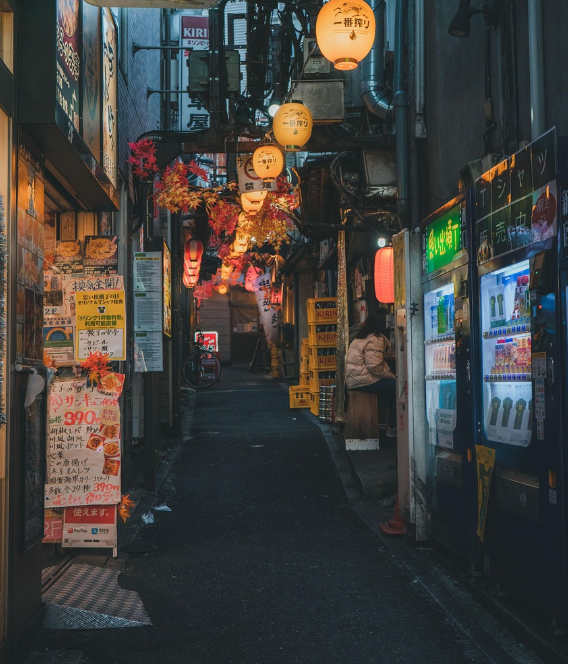
Learn Basic Japanese Travel Words
You do not need to become fluent in Japanese before your first trip.
Learning a few simple words and phrases can still be useful and shows respect for local culture.
You can learn greetings such as hello, thank you, excuse me, yes, and no. It is also useful to learn simple phrases related to directions, restaurants, shopping, and transportation.
Translation applications can help when you have difficulty communicating. Download the language data you may need before traveling if offline access is available.
Learning to read a few common Japanese signs can also make transportation and sightseeing easier.
Understand Japanese Etiquette
Respecting local customs is an important part of traveling in Japan.
Japan has many social customs related to public behavior. Keeping your voice low on trains, standing in appropriate places while waiting, and following local instructions can make your travel experience smoother.
In some traditional places, you may need to remove your shoes before entering. Certain temples, shrines, restaurants, and private spaces may have specific rules.
Observe what local people are doing and follow posted instructions.
Do not assume that every custom is the same throughout the country. When you are unsure, a polite approach is usually the safest choice.
Plan Your Food Experience
Food can be one of the most enjoyable parts of a Japan trip.
Japanese cuisine includes sushi, ramen, tempura, udon, soba, rice dishes, grilled foods, and many regional specialties.
You can research local foods before traveling, but also leave room for spontaneous discoveries.
If you have dietary restrictions or allergies, learn how to explain them clearly in Japanese or keep a written translation on your phone.
Do not limit yourself only to famous restaurants. Local restaurants, markets, convenience stores, and small food shops can also provide interesting experiences.
Prepare Your Money and Payment Methods
Japan uses the Japanese yen.
Before your trip, understand how you will access money while traveling. You may want to carry some cash while also using cards where accepted.
Notify your bank about international travel if required by your financial institution.
It is wise to have more than one payment option. If one card does not work, another payment method can be useful.
Keep your money and important documents secure, especially in crowded transportation areas.
Arrange Internet Access
Having internet access can make your first trip to Japan much easier.
You can consider international roaming, a local SIM card, or an eSIM depending on your phone and travel needs.
Internet access can help you use maps, translation tools, transportation information, restaurant searches, and reservation services.
Download important apps before leaving home and make sure you know how to access them.
It is also useful to save your hotel address and important booking information offline.
Prepare a Simple Packing List
Avoid taking more luggage than you need.
Your packing list should depend on the season and destinations. Comfortable walking shoes are particularly important because you may spend many hours walking through stations, neighborhoods, temples, shopping areas, and tourist attractions.
Pack clothing suitable for the weather, basic toiletries, necessary medications, travel documents, chargers, and any personal items you regularly use.
A small day bag can be useful for carrying water, your phone, wallet, documents, and other essentials.
Leave some space in your luggage if you expect to buy souvenirs.
Consider Travel Insurance
Travel insurance can provide financial protection for certain unexpected situations.
Depending on the policy, coverage may include medical emergencies, trip interruptions, lost baggage, or other travel related problems.
Read the policy carefully before purchasing it. Check what is covered, what is excluded, and whether there are limits or conditions.
Travel insurance is not a replacement for careful planning, but it can provide additional protection during an international trip.
Create a Backup Plan
Even a carefully planned Japan itinerary can change.
A train may be delayed. Weather can affect outdoor plans. A restaurant may be closed. You may simply become tired and decide to spend a quiet afternoon.
For each important activity, think about one alternative.
If your outdoor sightseeing plan depends on good weather, identify an indoor attraction nearby. If a restaurant is fully booked, know another place you can try.
A backup plan helps you stay relaxed when something does not go exactly as expected.
Keep Your Itinerary Simple
One of the most common mistakes first time travelers make is trying to see too much.
Japan has enough attractions to fill many trips. You do not need to complete everything during your first visit.
A simple itinerary might include several days in Tokyo, followed by Kyoto, and then Osaka. You can add day trips if your schedule allows.
Give yourself time to walk around neighborhoods, enjoy meals, take photographs, and experience the atmosphere.
The goal of a vacation is not to collect the highest number of attractions. It is to have meaningful experiences and return home with good memories.
Check Everything Before Departure
About a week before your flight, review your travel arrangements.
Check your passport, visa if required, flight information, hotel bookings, transportation reservations, travel insurance, payment methods, phone plan, and important addresses.
Make sure your phone is unlocked if you plan to use a local SIM or eSIM.
Download maps and translation tools. Charge your electronic devices and pack the necessary adapters for your equipment.
It can also be useful to send copies of important documents to someone you trust.
Enjoy Your First Japan Trip
Once you arrive in Japan, remember that you do not have to follow your itinerary perfectly.
Use your plan as a guide rather than a strict schedule.
Take time to notice small details. Try local food, walk through different neighborhoods, visit traditional sites, and enjoy the atmosphere.
You may discover places that were not included in your original plan. These unexpected moments can become some of the best memories of your trip.
Be respectful of local customs, follow signs and instructions, and give yourself enough time to move between places.
Final Thoughts
Planning your first trip to Japan step by step does not have to be difficult. Start by deciding what you want to experience, choose a suitable travel season, set a realistic budget, and select a few destinations that match your interests.
After that, organize your flights, accommodation, transportation, daily activities, food plans, internet access, and travel documents. Learn a few basic Japanese phrases and understand some important local customs before you arrive.
Most importantly, avoid making your itinerary too busy. Japan offers more attractions than you can possibly see during one trip. A comfortable schedule gives you the opportunity to enjoy each destination instead of constantly watching the clock.
With thoughtful preparation and a flexible attitude, your first Japan trip can be comfortable, enjoyable, and memorable. Good planning gives you confidence before departure, while flexibility allows you to enjoy the unexpected experiences that make travel special.