 travelguaidewithme
Related Articles
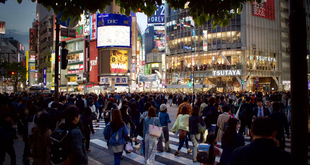
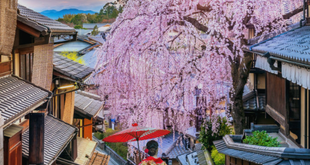
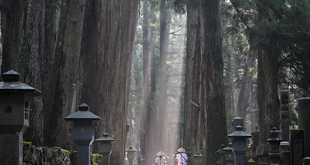
Planning a trip to Japan can feel exciting and confusing at the same time. Japan has modern cities, peaceful temples, beautiful gardens, traditional neighborhoods, mountain landscapes, delicious food, and many cultural experiences. With so many places to visit, it is easy to create a travel plan that becomes too busy.
A simple Japan travel itinerary can make your trip much more enjoyable. Instead of trying to visit every famous attraction, you can choose a few destinations and give yourself enough time to experience them properly. A good itinerary should help you understand where you are going, how long you will stay, what you want to see, and how you will move between places.
This guide explains how to build a simple Japan travel itinerary from the beginning. Whether you are planning your first Japan vacation or looking for an easier way to organize a future trip, these ideas can help you create a practical and comfortable travel plan.
Decide How Many Days You Have
The first step in planning a Japan trip is deciding how many days you can spend there. Your available time will determine how many destinations you can realistically include.
A short trip of five to seven days is better suited to one main region. For example, you could spend your trip exploring Tokyo and taking one or two nearby day trips.
If you have around ten to fourteen days, you can consider visiting Tokyo, Kyoto, Osaka, and another destination. This gives you a chance to experience both modern and traditional sides of Japan.
A longer trip allows you to explore more areas without rushing. However, having more days does not mean you need to fill every day with activities.
The goal is not to create the longest itinerary. The goal is to create an itinerary that you can actually enjoy.
Choose Your Main Destinations
Japan has many interesting destinations, so choosing where to go can be one of the hardest parts of planning.
For a first trip, many travelers consider Tokyo, Kyoto, and Osaka because these cities offer very different experiences.
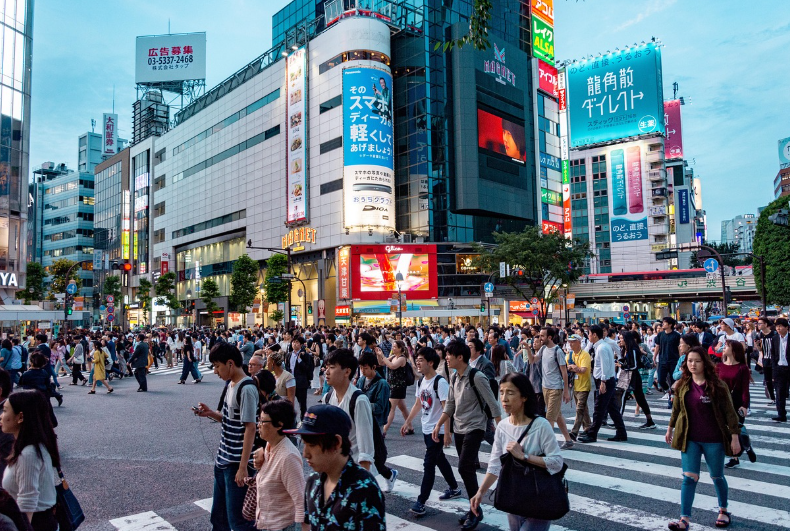
Tokyo is known for its large neighborhoods, shopping areas, restaurants, museums, parks, and modern city life. Kyoto is famous for temples, gardens, traditional streets, and cultural attractions. Osaka is well known for its food, lively neighborhoods, and relaxed atmosphere.
You can also consider destinations such as Nara, Hiroshima, Hakone, Kanazawa, Takayama, Nikko, or the Japanese Alps depending on your interests and available time.
Try to avoid selecting too many cities. Every time you change locations, you spend time packing, traveling, checking into accommodation, and getting familiar with a new area.
A simple itinerary usually works better when it focuses on a small number of destinations.
Think About Your Travel Style
Before choosing attractions, think about what kind of traveler you are.
Some people enjoy museums and historical sites. Others prefer nature, food, shopping, photography, or local neighborhoods.
If you enjoy Japanese history and culture, Kyoto and Nara may deserve more time in your itinerary.
If you enjoy modern city life, technology, shopping, and entertainment, Tokyo may be a major part of your trip.
If food is an important part of your vacation, Osaka can be an interesting destination.
If you prefer nature and peaceful surroundings, you may want to include a mountain town, lake area, or countryside destination.
Your Japan travel itinerary should reflect your interests rather than simply copying another person’s schedule.
Create a Basic Route
Once you know your destinations, place them in a logical order.
A simple route could be Tokyo, Kyoto, Osaka, and then Tokyo for departure if your flights require you to return there.
Another option is to arrive in Tokyo and leave Japan from Osaka if your flight arrangements allow it. This can reduce unnecessary backtracking.
When planning your route, look at the geographical relationship between your destinations. Try to avoid traveling back and forth across the country.
A good route saves time and makes the trip easier.
Avoid Planning Every Hour
One of the most common itinerary mistakes is creating a schedule that is too detailed.
It may look impressive to list an attraction for every hour of every day, but real travel rarely follows a perfect schedule.
You may spend more time than expected at a temple. A restaurant may have a long waiting line. You may discover an interesting street and decide to explore it. You may simply become tired after walking for several hours.
Instead of planning every minute, create a flexible daily structure.
For example, you could plan one major attraction in the morning, another area in the afternoon, and a relaxed evening.
This gives you enough structure without making the trip stressful.
Group Attractions by Location
One of the easiest ways to simplify a Japan itinerary is to group attractions that are close to each other.
Large Japanese cities can take time to cross because of their size and busy transportation systems. If you visit attractions on opposite sides of a city on the same day, you may spend too much time traveling.
Instead, choose one neighborhood or area and explore several nearby attractions together.
For example, when planning a Tokyo itinerary, you can dedicate one day to a group of nearby areas and another day to a different part of the city.
The same approach works in Kyoto and Osaka.
Grouping attractions saves transportation time and makes each day feel more natural.
Plan Your Arrival Day Carefully
Your arrival day should usually be lighter than your other travel days.
After a long international flight, you may feel tired or confused. You also need time to reach your accommodation, check in, organize your belongings, and become familiar with the area.
Instead of planning several major attractions immediately after arrival, choose something simple.
You might walk around the neighborhood, visit a nearby restaurant, or explore a small local attraction.
A relaxed first day can help you recover from travel and prepare for the rest of your Japan vacation.
Plan Your Departure Day
Your departure day also needs careful planning.
If you have an international flight, allow plenty of time to reach the airport. Japanese cities have efficient transportation, but you still need to consider luggage, transfers, possible delays, and the distance between your accommodation and airport.
Avoid placing an important sightseeing activity far away from your departure airport on the same day.
If your flight leaves late in the day, you may have time for a simple morning activity. If your flight is early, it may be better to keep the previous evening relaxed.
Decide Where You Will Stay
Accommodation plays an important role in a simple Japan travel itinerary.
Choosing a convenient location can save significant time. You do not always need to stay in the most expensive part of a city. A clean and comfortable hotel near useful transportation connections can be a practical choice.
When comparing accommodation, check its distance from train stations, subway stations, restaurants, and major roads.
Also consider how much luggage you will have. A small room may be comfortable for a short stay, but you may want more space if you are traveling for several weeks.
Try to choose accommodation that makes your daily travel simple.
Understand Japan Transportation
Japan has an extensive transportation network, including trains, subways, buses, and other local services.
For many visitors, trains are an important part of the travel experience. Major cities are connected by efficient rail services, while local trains and buses can help you reach smaller destinations.
Before your trip, learn the basic route between your accommodation and the attractions you want to visit.
You do not need to memorize every station. It is enough to understand the main route and know where you may need to change trains.
Transportation apps and digital maps can also make navigation easier.
Consider Your Luggage
Moving around Japan with large luggage can make travel more difficult.
If you are staying in several cities, think about how you will carry your bags from one accommodation to another.
Some travelers prefer to travel with smaller bags because they are easier to handle on trains and in busy stations.
You can also consider luggage delivery services where available. These services may allow you to send larger bags ahead to another accommodation while you travel with a smaller bag.
The best choice depends on your travel style and accommodation arrangements.
Build a Daily Plan
After choosing your destinations, start creating a simple daily plan.
A useful daily structure can include three sections.
The first section is your main morning activity.
The second section is your afternoon area or attraction.
The third section is your evening plan.
For example, a day in Kyoto could include a temple or garden in the morning, a traditional neighborhood in the afternoon, and dinner in the evening.
You do not need to decide exactly where you will eat every day. Leaving some room for spontaneous choices can make your trip more enjoyable.
Include Rest Days or Light Days
Traveling around Japan can involve a lot of walking.
You may walk through train stations, shopping streets, temples, parks, and neighborhoods for several hours each day. After several busy days, you may need a slower schedule.
A light day does not mean wasting your vacation.
You can use a slower day to visit a nearby garden, enjoy a long lunch, explore a local shopping street, or simply walk around your neighborhood.
A balanced itinerary helps you enjoy the trip without feeling exhausted.
Plan Around Your Interests
A good Japan itinerary should answer one simple question.
What do you actually want to experience?
If you love food, leave enough time for restaurants and local food markets.
If you enjoy photography, plan visits around beautiful streets, gardens, viewpoints, and traditional areas.
If you enjoy history, spend more time at museums, temples, shrines, castles, and historical neighborhoods.
If you enjoy shopping, allow enough time for department stores, local shops, markets, and specialty stores.
There is no universal perfect Japan itinerary. Your interests should guide your choices.
Research Opening Hours
Before adding an attraction to your schedule, check its current opening hours and visiting rules.
Some museums, gardens, temples, and other attractions may have specific opening days or seasonal schedules.
This is particularly important when your itinerary includes a place that you strongly want to visit.
You can create a simple list showing the attraction, location, opening time, approximate visit length, and transportation information.
This small amount of preparation can prevent unnecessary problems.
Leave Space for Food
Food is an important part of a Japan vacation.
Instead of treating meals as something you have to fit between attractions, make food part of your itinerary.
You can try local dishes, visit small restaurants, explore food markets, or enjoy snacks while walking around different neighborhoods.
Different regions are known for different foods, so changing destinations can also change your dining experiences.
However, do not make every meal a complicated reservation. Leave some meals flexible so you can choose a restaurant based on what you discover during the day.
Add One or Two Special Experiences
Your itinerary does not need to contain only famous tourist attractions.
Consider adding one or two experiences that feel personally meaningful.
This could be a traditional tea experience, a cooking class, a garden visit, a cultural workshop, a countryside walk, or another activity that matches your interests.
You do not need to fill every day with special activities.
One memorable experience can become an important part of your trip.
Keep Day Trips Separate
Day trips can be excellent additions to a Japan vacation, but too many day trips can make your itinerary tiring.
When considering a day trip, check the total travel time.
If you spend several hours traveling in both directions, you may have less time to enjoy the destination.
Choose day trips that fit naturally with your main route.
Also consider whether the destination deserves an overnight stay instead. Sometimes staying one night creates a more relaxed experience than returning to the same city on the same day.
Make a Backup Plan
Weather and unexpected changes can affect travel plans.
For this reason, it is useful to have an alternative activity for important outdoor plans.
For example, if you plan to spend a day outdoors and the weather becomes unsuitable, you could visit a museum, shopping area, indoor attraction, or restaurant district instead.
You do not need a backup plan for every hour.
Simply identify one or two alternatives for important activities.
Check Seasonal Conditions
The season can influence your Japan itinerary.
Spring is popular for flowers and mild weather. Summer can bring warm conditions and seasonal festivals. Autumn is known for colorful foliage in many areas. Winter can offer snow experiences and winter scenery in suitable regions.
Your itinerary should match the season of your visit.
Some attractions may be more enjoyable during particular months, while others can be visited throughout the year.
When choosing dates, consider weather, crowds, accommodation prices, and the experiences you want.
Example of a Simple Seven Day Japan Itinerary
A seven day Japan itinerary could focus on Tokyo and Kyoto.
Day one can be your arrival day in Tokyo. Keep the schedule light and explore the area around your accommodation.
Day two can focus on central Tokyo and several nearby attractions.
Day three can explore another part of Tokyo, with time for shopping, food, and local neighborhoods.
Day four can be a travel day from Tokyo to Kyoto. After arriving, explore a nearby area and enjoy a relaxed evening.
Day five can focus on Kyoto’s temples, gardens, and traditional streets.
Day six can explore another part of Kyoto or take a short day trip to a nearby destination.
Day seven can be used for a final relaxed morning before departure, depending on your flight schedule.
This is only an example. Your actual itinerary should depend on your flight times, interests, budget, season, and preferred pace.
Example of a Simple Ten Day Japan Itinerary
For ten days, you have more flexibility.
You could spend four days in Tokyo, one day on a nearby day trip, three days in Kyoto, and two days in Osaka.
Another option is to reduce Tokyo to three days and add more time to Kyoto or another destination.
The important point is to avoid moving accommodation every night.
Staying several nights in one place makes your trip easier and gives you more time to experience the destination.
Keep Your Itinerary in One Place
Once your plan is complete, organize all important information in one document or travel application.
Include your flight information, accommodation details, transportation notes, attraction opening hours, reservation information, and daily plans.
You can also save important addresses in your phone.
Having everything organized in one place means you will not have to search through multiple messages or websites while traveling.
Do Not Try to See Everything
Japan has enough attractions to fill many different vacations.
Trying to see everything during one trip can turn an enjoyable holiday into a race.
It is better to experience a smaller number of places properly than to collect a long list of attractions that you barely remember.
If you enjoy Japan, you can always return in the future and explore another region.
A simple itinerary gives you a reason to slow down and notice the small details that make travel memorable.
Final Thoughts
Building a simple Japan travel itinerary does not require complicated planning. Start by deciding how many days you have, choose a small number of destinations, create a logical route, and organize attractions by location.
Give yourself enough time for transportation, meals, rest, and unexpected discoveries. Keep your arrival and departure days simple, and avoid filling every hour with activities.
Most importantly, build your itinerary around your own interests. Japan offers modern cities, traditional culture, beautiful nature, excellent food, and many different travel experiences. You do not need to experience all of them in one vacation.
A well planned Japan itinerary should give you direction without making you feel trapped by a schedule. When you leave enough room for flexibility, you can enjoy the journey as much as the destinations themselves.