 travelguaidewithme
Related Articles
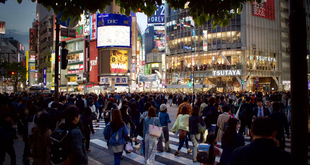
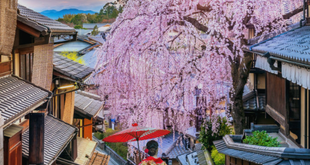
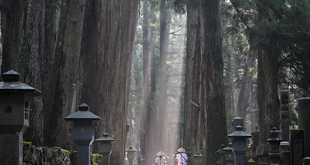
Japan is a fascinating country to visit at any time of the year. Each season offers a different experience, from colorful spring flowers and warm summer festivals to beautiful autumn leaves and peaceful winter landscapes. Because of this variety, choosing the right season for a Japan vacation can make a big difference in your overall travel experience.
The best time to visit Japan depends on what you want to see, what activities you enjoy, your budget, and how comfortable you are with different types of weather. Some travelers dream of seeing cherry blossoms in Tokyo and Kyoto, while others prefer the cooler temperatures of autumn. Some enjoy summer festivals and mountain trips, while others want to experience snow, hot springs, and winter scenery.
There is no single best season for everyone. Instead, the right season is the one that matches your travel plans and personal interests. This guide explains what you can expect from each season and how to choose the best time for your Japan vacation.
Understanding Japan’s Four Seasons
Japan has four main seasons, and each one has its own atmosphere. Spring generally runs from March to May, summer from June to August, autumn from September to November, and winter from December to February.
However, weather can vary significantly between different parts of Japan. Northern areas such as Hokkaido can be much colder than southern areas such as Okinawa. Mountain regions can also have different conditions from major cities.
When planning a Japan vacation, it is useful to think about the weather in the specific places you want to visit rather than looking only at the national average.
Visiting Japan in Spring
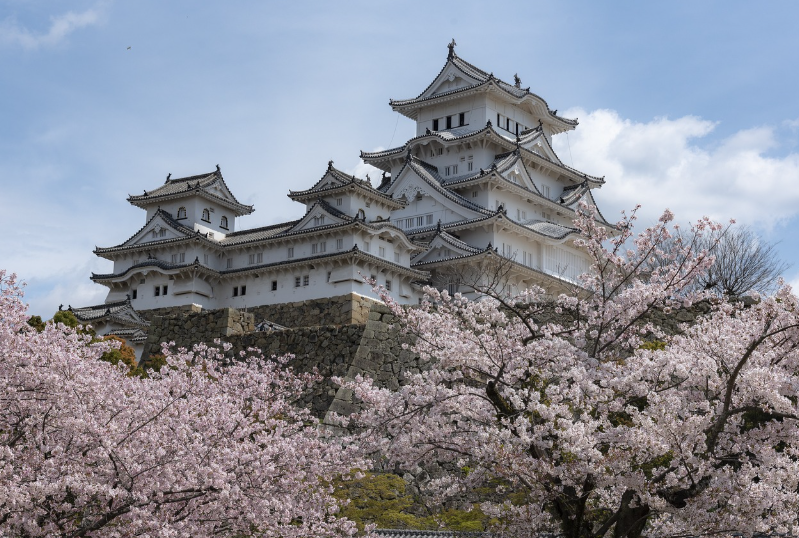
Spring is one of the most popular seasons for a Japan vacation. The season is especially famous for cherry blossoms, which attract visitors from around the world.
Cherry blossoms usually begin appearing in southern parts of Japan before moving toward northern areas. The exact timing changes from year to year depending on weather conditions. This means travelers should avoid planning their entire trip around one exact blossom date too far in advance.
Spring weather is generally pleasant, although temperatures can change during the day. March can still feel cool, while April and May often become more comfortable.
Why Choose Spring
Spring is a good choice if you want to experience:
Cherry blossoms
Pleasant sightseeing weather
Beautiful gardens and parks
Traditional festivals
Fresh spring scenery
Outdoor walking
Spring photography
Cities such as Tokyo, Kyoto, Osaka, and Nara can look particularly beautiful during this period. Parks, temples, riversides, and traditional neighborhoods often become popular places for viewing flowers.
Things to Consider in Spring
Spring is also one of the busiest travel periods. Popular destinations can become crowded, especially during peak cherry blossom periods.
Accommodation prices can also increase in popular tourist areas. Hotels may become difficult to find if you wait until the last minute.
If your main goal is to see cherry blossoms, flexibility is important. Instead of focusing on one specific day, consider traveling for several days around the expected flowering period.
Visiting Japan in Summer
Summer in Japan usually runs from June through August. It can be hot and humid, particularly in major cities.
June often brings the rainy season to many parts of Japan. July and August can become hotter, although conditions vary by region.
Despite the heat, summer can be an exciting time to visit Japan because of its festivals, fireworks, mountain scenery, and outdoor events.
Why Choose Summer
Summer is suitable for travelers who enjoy:
Japanese festivals
Fireworks
Mountain trips
Hiking
Coastal destinations
Longer daylight hours
Outdoor activities
Summer festivals are held in many parts of the country. Traditional celebrations may include music, dancing, food stalls, decorations, and fireworks.
Hokkaido can also be an attractive summer destination because its weather is generally cooler than many other parts of Japan. The region is known for open landscapes, flower fields, national parks, and outdoor activities.
Things to Consider in Summer
The biggest challenge for many visitors is the heat and humidity.
Walking around large cities during a hot afternoon can become tiring. Travelers should drink enough water, take regular breaks, and plan indoor activities during the hottest parts of the day.
Summer can also bring heavy rain in some regions. Travelers should check weather forecasts regularly and keep flexible plans.
If you do not enjoy hot and humid weather, summer may not be the most comfortable season for your trip.
Visiting Japan in Autumn
Autumn is another excellent season for exploring Japan. From September through November, temperatures gradually become cooler, and many parts of the country develop beautiful autumn colors.
The changing leaves create spectacular scenery in parks, gardens, temples, mountains, and rural areas.
October and November are particularly popular for autumn travel because temperatures are often comfortable for sightseeing.
Why Choose Autumn
Autumn is ideal if you enjoy:
Colorful autumn leaves
Comfortable walking weather
Mountain scenery
Japanese gardens
Photography
Cultural sightseeing
Food experiences
Kyoto is particularly well known for its autumn scenery. Temples and traditional gardens surrounded by red, orange, and yellow leaves can create unforgettable views.
Tokyo also has many parks and gardens where visitors can enjoy autumn colors without leaving the city.
Autumn can be especially enjoyable for travelers who want to spend long days walking around cities and visiting cultural attractions.
Things to Consider in Autumn
Autumn is becoming increasingly popular among international travelers. Popular locations can become crowded during peak foliage periods.
September may still be warm in many areas, while late November can become quite cool. If you want comfortable weather, October and early November can be useful periods to consider, depending on your destinations.
Typhoons can also affect parts of Japan during the late summer and early autumn period. Travelers should monitor weather information before and during their trip.
Visiting Japan in Winter
Winter is often overlooked by first time visitors, but it can be a wonderful season for a Japan vacation.
Northern Japan receives significant snowfall, while cities such as Tokyo and Osaka generally have milder winter conditions.
Winter is especially attractive for travelers interested in snow, skiing, hot springs, winter food, and quieter sightseeing.
Why Choose Winter
Winter is a good choice if you want:
Snowy landscapes
Skiing
Snowboarding
Hot springs
Winter food
Quieter tourist attractions
Illuminations
Hokkaido and the Japanese Alps are popular winter destinations. Ski resorts attract visitors who want to enjoy snow sports, while traditional hot spring towns provide a relaxing alternative.
Winter also offers a different view of Japanese cities and temples. Some historic areas can look especially peaceful when covered in snow.
Things to Consider in Winter
Winter temperatures can be very cold, particularly in northern Japan and mountainous areas.
If you plan to visit snowy regions, you should prepare suitable clothing and footwear. Transportation can also be affected by heavy snowfall in some areas.
For travelers who prefer mild weather and outdoor walking, winter may require more preparation than spring or autumn.
How Weather Should Influence Your Decision
Weather is one of the most important factors when choosing the best season for Japan.
If you enjoy mild temperatures, spring and autumn may be attractive options. If you enjoy warm weather and outdoor festivals, summer may suit you. If you love snow and winter sports, winter could be the right choice.
Think about how you normally respond to heat and cold.
A traveler who enjoys walking for several hours every day may prefer cooler weather. Someone who loves beach activities may enjoy summer more.
Your comfort matters because sightseeing in Japan often involves considerable walking. Large train stations can also require long walks between platforms and exits.
Choosing the Season Based on Your Budget
Your budget can also influence the best time to visit Japan.
Peak travel periods can lead to higher hotel prices and greater demand for transportation and attractions. Cherry blossom periods and major holiday periods can be particularly busy.
Traveling during less popular periods may provide more accommodation choices and sometimes better prices.
However, price differences depend on the destination, hotel, dates, and local events. It is always useful to compare accommodation prices before deciding on your travel dates.
If you have a limited budget, consider being flexible with your travel dates. Even changing your trip by a few days can sometimes provide different accommodation options.
Choosing the Season for Cherry Blossoms
For many people, cherry blossoms are the main reason for choosing a Japan vacation season.
The important thing to understand is that cherry blossoms do not appear everywhere at the same time.
Southern areas generally see blossoms earlier, while northern areas usually experience them later. Weather conditions can also change the schedule.
If cherry blossoms are your main priority, avoid making a complicated itinerary that depends on one exact date.
Instead, select several destinations where flowering may occur at different times. This can give you more flexibility.
Keep in mind that cherry blossom season is popular, so hotels and transportation can become busy.
Choosing the Season for Autumn Leaves
Autumn foliage is similar to cherry blossoms because the timing changes according to location and weather.
Mountain areas often develop autumn colors before lower elevation areas. Northern regions also tend to experience seasonal changes earlier.
If autumn leaves are your priority, research the expected foliage period for every destination on your itinerary.
Kyoto, Tokyo, Nikko, Hokkaido, and mountainous areas can offer different autumn experiences.
Planning your trip around foliage can be rewarding, but flexibility remains important because natural events cannot be predicted perfectly months in advance.
Choosing the Season for Japanese Festivals
Festivals take place throughout the year in Japan.
Summer is particularly famous for fireworks and traditional festivals, but travelers can find cultural events during other seasons as well.
If you want to attend a specific festival, choose your travel dates based on that event rather than simply choosing spring, summer, autumn, or winter.
Check the official event information before booking your trip because dates and schedules can change.
Choosing the Season for Skiing and Snow
If skiing or snowboarding is one of your main goals, winter is the natural choice.
Hokkaido, Nagano, and other mountainous regions are known for winter sports.
The exact snow conditions vary by destination and year. Research the specific resort before booking accommodation.
Winter trips can also combine snow activities with hot springs and traditional Japanese food, creating a different type of vacation from a typical city sightseeing trip.
Choosing the Season for City Sightseeing
If your trip focuses mainly on Tokyo, Kyoto, Osaka, and other major cities, comfortable walking conditions may be more important than seasonal attractions.
Spring and autumn are often attractive for city sightseeing because temperatures can be more comfortable than the hottest summer periods.
Winter can also work well if you do not mind cold weather. Many indoor attractions, restaurants, shopping centers, museums, and cultural sites remain available.
Summer is still possible, but travelers should plan breaks and indoor activities during particularly hot periods.
Think About Your Travel Style
Your personal travel style should play a major role in choosing the right season.
If you enjoy photography, you may prefer spring flowers or autumn foliage.
If you love festivals, summer could be appealing.
If you enjoy skiing, winter is an obvious option.
If you prefer quiet cultural experiences, a less crowded travel period may be more suitable.
If you enjoy hiking, consider seasonal weather carefully because mountain conditions can differ greatly from city conditions.
The best Japan vacation is not necessarily the one with the most famous seasonal attraction. It is the one that matches the type of experience you actually enjoy.
Consider Japanese Holidays
Japanese holidays can affect travel conditions. During major holiday periods, transportation and accommodation can become very busy.
Golden Week in late April and early May is one period that travelers should research carefully. The exact holiday dates vary slightly by year.
The New Year period is also important because many people travel domestically and some businesses may operate on different schedules.
Before finalizing your itinerary, check the Japanese holiday calendar for your travel year.
How Long Should You Stay in Japan?
The length of your vacation can also influence your choice of season.
A short trip may be easier to plan during a comfortable season when you can spend more time outdoors.
A longer trip gives you greater flexibility. You can visit different regions and experience different weather conditions.
For a first trip, many travelers focus on Tokyo, Kyoto, and Osaka. If you have more time, you can add places such as Nara, Hiroshima, Kanazawa, Nikko, Hokkaido, or other regional destinations.
Your route should determine your season rather than choosing a season without considering where you want to go.
A Simple Seasonal Guide
Here is a simple way to think about the four seasons.
Spring
Choose spring if cherry blossoms, gardens, pleasant weather, and cultural sightseeing are your priorities.
Summer
Choose summer if festivals, fireworks, hiking, and outdoor events interest you and you are comfortable with heat and humidity.
Autumn
Choose autumn if colorful leaves, comfortable temperatures, photography, and outdoor sightseeing are important to you.
Winter
Choose winter if you want snow, skiing, hot springs, winter scenery, and a different atmosphere.
Final Tips Before Booking Your Japan Vacation
Before booking flights and hotels, check the weather for each destination on your itinerary.
Look at expected temperatures, rainfall, seasonal events, and local holidays.
Do not assume that all of Japan experiences the same weather. The country stretches across a large geographic area, so conditions can vary considerably.
It is also useful to pack according to your destinations. A winter trip to Hokkaido requires very different clothing from a winter trip focused on southern Japan.
For spring and autumn trips, layers can be helpful because temperatures may change during the day.
For summer, lightweight clothing and comfortable walking shoes can make sightseeing easier.
For winter, warm clothing and suitable footwear are important, especially if you plan to visit snowy regions.
Conclusion
Choosing the right season for a Japan vacation depends on what you want to experience. Spring offers cherry blossoms and fresh scenery. Summer brings festivals, fireworks, and outdoor adventures. Autumn provides colorful foliage and comfortable sightseeing weather. Winter offers snow, skiing, hot springs, and peaceful landscapes.
There is no single season that is perfect for every traveler. The best approach is to first decide what you want to do in Japan and then choose the season that supports those plans.
Think about weather, crowds, budget, festivals, natural scenery, and the regions you want to visit. Once these factors are clear, choosing your Japan vacation season becomes much easier.
Japan is a country that changes beautifully throughout the year. Whether you visit during cherry blossom season, enjoy a summer festival, walk through autumn gardens, or experience a snowy winter town, each season can give you a memorable way to discover Japan.