 travelguaidewithme
Related Articles
Japan is a country where every region has its own character, but Hokkaido feels especially different. While places such as Tokyo, Kyoto, and Osaka are known for busy streets, historic temples, shopping areas, and large urban centers, Hokkaido offers a more open and natural side of Japan. Wide landscapes, quiet towns, mountains, forests, lakes, farmland, and long coastlines give the island a distinctive atmosphere.
For travelers who want to experience a different side of Japan, Hokkaido can be an excellent choice. The island is located in the northern part of the country and has a cooler climate than most other major Japanese destinations. Its geography also influences its food, outdoor activities, local culture, and travel style.
Hokkaido is not simply another place to add to a Japan itinerary. It provides a different experience that can feel more spacious, relaxed, and connected to nature. Understanding these differences can help travelers decide whether Hokkaido is suitable for their trip.
Hokkaido Has a Cooler Climate
One of the biggest differences between Hokkaido and many other Japanese destinations is its climate. Because Hokkaido is located in northern Japan, temperatures are generally lower, especially during winter.
Tokyo, Kyoto, and Osaka can have relatively mild winters compared with Hokkaido. In contrast, Hokkaido is famous for heavy snowfall and long winters. Cities such as Sapporo regularly become covered in snow, while mountain areas receive even more.
This makes Hokkaido particularly attractive to people who enjoy winter travel. Snow covered streets, frozen landscapes, ski resorts, and winter festivals create an atmosphere that is difficult to find in southern parts of Japan.
Summer is also an important reason to visit. While other parts of Japan can become hot and humid, Hokkaido often has more comfortable summer conditions. This makes the island appealing for hiking, cycling, sightseeing, and exploring rural areas.
The changing seasons are therefore an important part of the Hokkaido travel experience.
The Landscape Feels More Open
Hokkaido is Japan’s second largest island, but it has a relatively low population density compared with the country’s major urban regions. This creates a feeling of space that many visitors notice immediately.
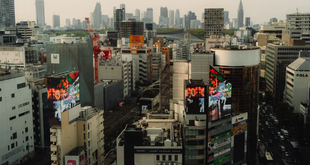
In Tokyo, travelers can spend hours surrounded by buildings, trains, shops, and crowds. Kyoto has historic neighborhoods and popular sightseeing areas that can become busy. Hokkaido offers a very different visual experience.
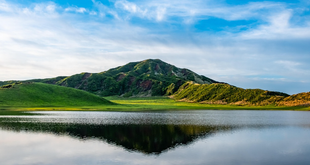
Large fields, forests, mountains, lakes, and coastal areas stretch across many parts of the island. Roads can pass through long stretches of countryside without large buildings nearby.
This openness is one of the main things that makes Hokkaido different from other Japanese destinations.
Visitors who enjoy scenic drives and peaceful landscapes may find this especially appealing. Even traveling between destinations can become part of the experience because the scenery changes throughout the journey.
Hokkaido Is Famous for Its Natural Beauty
Nature is one of the strongest reasons people visit Hokkaido. The island has national parks, mountains, lakes, forests, wetlands, waterfalls, and volcanic landscapes.
Places such as Daisetsuzan National Park provide opportunities for hiking and enjoying mountain scenery. Shiretoko is another important natural area, known for its remote landscapes and wildlife.
Lake Akan, Lake Toya, and other lakes offer beautiful scenery in different seasons. Furano and Biei are famous for their agricultural landscapes and colorful fields.
Compared with a city focused itinerary, a Hokkaido trip often includes more time outdoors.
This does not mean Hokkaido lacks cities or cultural attractions. Sapporo is a modern city with restaurants, shopping, museums, parks, and entertainment. However, the island makes it easy to combine urban experiences with nature.
A traveler can spend part of a trip enjoying city life and another part exploring mountains, lakes, and countryside.
Winter Tourism Is a Major Attraction
Hokkaido has become internationally famous for winter travel. Its cold temperatures and abundant snowfall create excellent conditions for skiing and snowboarding.
Niseko is one of the best known winter destinations, attracting visitors from Japan and around the world. Other mountain areas also offer winter sports, snow activities, and scenic experiences.
For travelers who have never experienced a snowy Japanese winter, Hokkaido can provide something very different from the traditional image of Japan.
Sapporo also becomes particularly attractive during winter. The Sapporo Snow Festival is one of the island’s most famous events, featuring large snow and ice sculptures.
Winter travel requires more preparation than traveling during warmer months. Visitors need suitable clothing, comfortable footwear, and an itinerary that allows extra time for winter transportation.
Still, for people who enjoy snow, the season can be one of the most memorable times to explore Hokkaido.
Summer in Hokkaido Is Different Too
Hokkaido should not be considered only a winter destination. Summer offers another side of the island.
During warmer months, flowers bloom across many rural areas. Furano is particularly well known for its lavender fields, while Biei attracts visitors with its rolling agricultural landscapes.
The cooler climate also makes outdoor activities comfortable for many travelers. Hiking, cycling, camping, and nature photography are popular ways to explore the region.
Summer is also a good time to explore Hokkaido’s national parks. Mountain trails can provide views of forests, lakes, and volcanic landscapes.
For travelers who prefer nature without heavy winter conditions, summer can be an excellent choice.
Hokkaido Has Its Own Food Culture
Food is another major difference between Hokkaido and other Japanese destinations.
The island is known for fresh seafood, dairy products, vegetables, wheat products, and agricultural goods. Its colder waters support a wide variety of seafood.
Crab, salmon, sea urchin, scallops, and other seafood are commonly associated with Hokkaido cuisine. Seafood markets in cities such as Sapporo provide opportunities to try local ingredients.
Hokkaido is also famous for miso ramen. Sapporo miso ramen has become one of the most recognizable regional styles of ramen in Japan.
Dairy products are another important part of local food culture. Hokkaido produces a large amount of Japan’s milk and dairy products. Visitors can find fresh milk, cheese, butter, ice cream, and other dairy based foods throughout the region.
The island’s agricultural environment also supports potatoes, corn, wheat, melons, and other crops.
This combination of seafood and agriculture gives Hokkaido a food identity that is easy to recognize.
Sapporo Offers a Different Urban Experience
Sapporo is the capital and largest city of Hokkaido. It is modern and developed, but it often feels different from Tokyo or Osaka.
The city has wide streets, open public spaces, parks, restaurants, shopping districts, and a more spacious layout.
Odori Park is located in the center of Sapporo and provides an important green area within the city. The Sapporo Clock Tower and other attractions offer a connection to the city’s history.
Sapporo is also an important base for exploring other parts of Hokkaido. Travelers can stay in the city and take trips to nearby destinations or use it as the starting point for a larger island journey.
The city combines modern Japanese life with the distinctive northern character of Hokkaido.
Hokkaido Has Fewer Traditional Temple Areas
Visitors who associate Japan mainly with temples, shrines, wooden houses, and traditional neighborhoods may notice a difference in Hokkaido.
Kyoto is famous for its centuries old temples, shrines, gardens, and traditional streets. Hokkaido has a much younger modern history as part of Japan’s development compared with many regions on the main island of Honshu.
This means that Hokkaido does not have the same concentration of ancient cultural sites found in Kyoto or Nara.
Instead, the island’s character is strongly connected to nature, agriculture, modern development, and northern landscapes.
There are still shrines, museums, historic buildings, and cultural attractions to explore. However, travelers should visit Hokkaido with different expectations.
If Kyoto represents one important historical side of Japan, Hokkaido shows another story of the country shaped by northern geography and later development.
Hokkaido Has Strong Indigenous Ainu Heritage
One of the most important cultural differences in Hokkaido is its connection to the Ainu people, the Indigenous people of northern Japan.
Ainu culture has its own traditions, language, crafts, music, stories, and relationship with nature. Visitors can learn more about this heritage at cultural institutions and museums.
Upopoy, the National Ainu Museum and Park in Shiraoi, provides opportunities to learn about Ainu history and culture.
Learning about Ainu heritage adds depth to a Hokkaido trip. It reminds travelers that the island has a complex cultural history that goes beyond modern Japanese tourism.
Visitors should approach this heritage with respect and take time to learn from reliable cultural sources.
Wildlife Is More Visible in Some Areas
Hokkaido is also known for its wildlife. The island’s large natural areas provide habitats for many species.
Brown bears are particularly associated with Hokkaido, especially in remote areas such as Shiretoko. Red crowned cranes are another famous species and can be seen in parts of eastern Hokkaido.
Foxes, deer, birds, and marine wildlife can also be found across different parts of the island.
Wildlife tourism requires responsible behavior. Travelers should never approach wild animals, feed them, or interfere with their natural environment.
For nature lovers, however, the possibility of seeing wildlife in its natural surroundings adds another dimension to the Hokkaido experience.
The Travel Style Can Be More Relaxed
Hokkaido often encourages a slower style of travel.
In Tokyo, it is easy to spend an entire day moving between neighborhoods by train. Kyoto can also be explored through a series of temples, gardens, markets, and historic streets.
Hokkaido is different because distances between attractions can be much greater.
A traveler may spend several hours driving between destinations while enjoying countryside views along the way.
This means a Hokkaido itinerary should not be overloaded. Trying to visit too many places in a short period can make the trip tiring.
Instead, choosing a few areas and spending more time in each one can make the experience more enjoyable.
Renting a Car Can Be Useful
Public transportation is available in major Hokkaido cities and between important destinations. However, a rental car can be useful when exploring rural areas.
Driving provides flexibility and makes it easier to visit places that are not directly connected by frequent trains.
Road trips can be particularly enjoyable around Furano, Biei, eastern Hokkaido, and other rural regions.
Travelers should remember that winter driving is very different from summer driving. Snow and icy roads can create difficult conditions.
Anyone planning to drive should check local road conditions, understand rental requirements, and allow extra travel time.
For visitors who prefer not to drive, organized tours and public transportation can still provide access to many popular destinations.
Hokkaido Has Distinct Rural Landscapes
Another feature that separates Hokkaido from many famous Japanese destinations is its agricultural scenery.
Large farms and open fields are common in several regions. The landscape can look surprisingly different from the smaller agricultural plots found in many other parts of Japan.
Biei is famous for its gently rolling hills and patchwork fields. Furano is known for flowers and farmland.
These areas are especially attractive to photographers because the scenery changes with the seasons.
Spring brings new growth, summer brings green fields and flowers, autumn adds warm colors, and winter creates a completely different snow covered landscape.
This seasonal variety makes Hokkaido interesting for repeat visitors as well.
Hokkaido Has Volcanic Landscapes and Hot Springs
Hokkaido sits in an area with significant volcanic activity, and this has influenced its landscapes and hot spring culture.
Noboribetsu is one of the best known hot spring destinations on the island. The area has geothermal features, mountain scenery, and traditional hot spring accommodations.
Lake Toya is another famous area where volcanic landscapes and outdoor scenery come together.
Japanese hot spring bathing is an important cultural experience. Visitors should learn the basic etiquette before entering a public bath.
Usually, guests wash thoroughly before entering the bath and follow the rules of the specific facility.
A relaxing hot spring visit can be especially enjoyable after hiking or spending time outdoors.
Autumn Brings Beautiful Colors
Autumn is another excellent season for exploring Hokkaido.
Because the island is located farther north, autumn colors can appear earlier than in many other parts of Japan.
Mountain areas may begin showing autumn foliage before famous cities farther south reach their peak.
Daisetsuzan is particularly well known for early autumn scenery. As the season progresses, colorful leaves appear in different regions.
Autumn is a good choice for travelers who enjoy hiking, photography, and cooler weather.
It also provides a different experience from Japan’s famous spring cherry blossom season.
Hokkaido Can Feel Less Crowded
Some of Hokkaido’s most popular destinations can become busy during peak travel periods. Sapporo, Niseko, Furano, and other famous locations attract many visitors.
However, because the island is large, travelers can often find quieter areas by moving away from the most famous tourist spots.
Small towns, rural roads, lakes, hiking areas, and coastal communities can provide a more peaceful experience.
This is one reason Hokkaido works well for travelers who prefer slower journeys.
The key is to plan beyond the most famous attractions rather than assuming the entire island will be crowded or quiet.
Hokkaido Is Suitable for Outdoor Travelers
Hokkaido is particularly attractive to people who enjoy outdoor activities.
Depending on the season, travelers can hike, ski, snowboard, cycle, camp, canoe, photograph wildlife, explore lakes, or simply walk through natural landscapes.
This makes Hokkaido different from destinations where most sightseeing is centered around architecture, shopping, museums, and historical sites.
A Hokkaido itinerary can be built around outdoor interests rather than traditional sightseeing.
Even travelers who are not highly active can enjoy nature through scenic viewpoints, gardens, lakeside walks, scenic drives, and hot springs.
How Hokkaido Compares With Other Japanese Destinations
The easiest way to understand Hokkaido is to compare its general character with other well known destinations.
Tokyo is famous for its huge urban environment, technology, shopping, entertainment, and diverse neighborhoods.
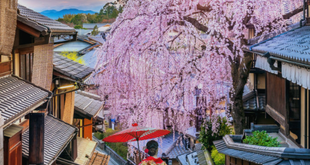
Kyoto is strongly associated with temples, shrines, gardens, traditional architecture, and historic culture.
Osaka is known for food, nightlife, shopping, and a lively city atmosphere.
Nara is famous for historic temples, cultural landmarks, and its deer population.
Hokkaido offers something different. Its strongest features include wide natural landscapes, cooler weather, winter snow, outdoor activities, agricultural scenery, seafood, dairy products, and rural travel.
These descriptions are broad, and every destination contains more variety than a short comparison can show. Still, they help explain why Hokkaido feels distinct.
Is Hokkaido Worth Adding to a Japan Trip?
Hokkaido can be a strong choice for travelers who want to experience nature and a different regional atmosphere.
It is especially suitable for people interested in mountains, wildlife, scenic landscapes, fresh food, winter sports, hot springs, and road trips.
Travelers whose main interest is ancient temples and traditional Japanese architecture may prefer to spend more time in places such as Kyoto and Nara.
However, Hokkaido can complement those destinations rather than compete with them. A longer Japan trip can include both historical cities and northern landscapes.
The most important point is to understand that Hokkaido requires a different travel style.
Distances are larger, weather can change quickly, and some destinations are best explored with more time.
Final Thoughts
What makes Hokkaido different from other Japanese destinations is the combination of its northern climate, large natural spaces, unique food culture, rural landscapes, wildlife, outdoor activities, and distinctive cultural history.
It offers a side of Japan that feels more spacious and closely connected to nature. Winter brings deep snow and winter sports, while summer brings flowers, hiking, cycling, and comfortable outdoor exploration. Autumn offers colorful mountain landscapes, while spring gradually brings new life to the countryside.
Hokkaido also provides a chance to learn about Ainu heritage, explore volcanic landscapes, enjoy local seafood and dairy products, and experience Japanese hot springs in beautiful surroundings.
For travelers planning a Japan vacation, Hokkaido is worth considering when the goal is to see more than the country’s famous cities.
Instead of focusing only on crowded streets and historic landmarks, visitors can slow down, explore open landscapes, taste regional food, and spend time outdoors.
That combination is what gives Hokkaido its own identity. It is not simply a colder version of the rest of Japan. It is a destination with its own scenery, seasons, food, culture, and rhythm, making it an interesting choice for travelers who want to experience a different side of Japan.