 travelguaidewithme
Related Articles
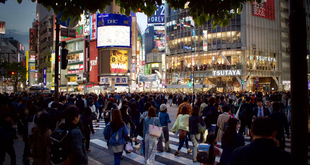
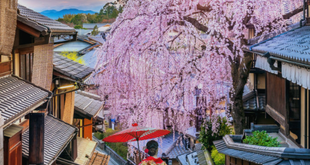
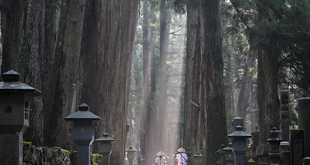
Traveling to Japan for the first time can be an exciting experience. Japan is known for its beautiful temples, modern cities, peaceful gardens, delicious food, efficient transportation, and unique traditions. At the same time, a first visit can feel a little confusing if you do not know what to expect.
Japan has its own customs, transportation systems, payment methods, food culture, and social rules. Learning a few important things before your trip can make your journey much easier and more enjoyable. You do not need to understand everything about Japan before you arrive. A little preparation is enough to help you feel comfortable.
If you are planning your first trip to Japan, this guide will help you understand what to know before traveling to Japan, including transportation, money, food, etiquette, accommodation, communication, weather, and everyday travel habits.
Learn a Few Basic Japanese Words
You can travel around Japan without speaking Japanese, especially in major tourist areas. However, learning a few simple Japanese words can make your trip easier and can also help you communicate politely.
For example, you can learn words such as hello, thank you, excuse me, yes, no, and please. Even if your pronunciation is not perfect, making an effort to use a few Japanese words can be appreciated.
The Japanese language can look difficult because of its writing systems. However, you do not need to learn Japanese writing before your first trip. Many train stations and popular tourist locations have signs in English.
Translation apps can also be useful. Before leaving home, download a translation application and make sure you have access to it when you are offline.
Understand Japanese Transportation
Transportation is one of the most important things to understand before traveling to Japan.
Japan has an extensive public transportation system. Trains, subway lines, buses, and high speed trains connect many parts of the country. In large cities such as Tokyo and Osaka, trains are often the easiest way to travel.
The railway system may look complicated at first because several companies operate different lines. Do not worry if you feel confused on your first day. Station signs usually provide information in both Japanese and English.
Use a navigation application to check routes before leaving your hotel. Give yourself extra time when traveling to a large station because some stations are extremely big.
For longer journeys between cities, you may consider using the Shinkansen, which is Japan’s famous high speed train. It connects major destinations and can save considerable travel time.
Consider an IC Transportation Card
An IC card can make daily transportation much more convenient.
These rechargeable cards can generally be used on many trains, subway systems, and buses. They can also be accepted at certain convenience stores, vending machines, and other businesses.
Instead of purchasing a separate ticket for every short journey, you can add money to your card and use it when entering and leaving transportation areas.
Before your trip, check the current availability and conditions for the specific IC card you plan to use because transportation systems and payment options can change.
Having an electronic payment option available can save time, especially when you are traveling during busy hours.
Learn How Japanese Train Stations Work
Large Japanese train stations can be overwhelming for first time visitors.
Some stations have many exits, platforms, underground shopping areas, restaurants, and connections to different railway companies. Your navigation application may tell you which station to use, but finding the correct exit can still take time.
Before leaving a station, check the exit number or name carefully.
If you are meeting someone or visiting a particular attraction, knowing the correct exit can make a big difference. Instead of simply remembering the station name, save the specific exit information when possible.
Do not be afraid to stop and look at the signs. Taking a few extra minutes to understand where you are can prevent a much longer walk in the wrong direction.
Understand Japanese Etiquette
Japanese culture places importance on politeness, respect, cleanliness, and consideration for other people.
You may notice that people generally speak quietly on public transportation. Loud conversations and phone calls on trains can be considered inappropriate.
When using public transportation, keep your voice low and avoid disturbing other passengers.
Queuing is also an important part of everyday life in Japan. People usually wait in an organized line for trains, buses, shops, and other services.
Following the people around you can help you understand what to do.
Remove Your Shoes When Required
You may need to remove your shoes in certain places in Japan.
This is common in some traditional accommodations, homes, temples, restaurants, and other locations. If there is a designated place for shoes, follow the instructions.
Some places provide slippers for indoor use. Remember that bathroom slippers may be separate from regular indoor slippers.
If you are unsure, look at what other people are doing or ask politely.
Wearing clean socks is also a good idea because you may need to remove your shoes several times during your trip.
Carry Some Cash
Japan is known for advanced technology, but cash remains useful in many situations.
Major hotels, department stores, international restaurants, and tourist businesses often accept cards. However, smaller restaurants, local shops, vending machines, temples, and other businesses may have different payment options.
For this reason, carrying some Japanese yen is a sensible travel habit.
Do not carry all your money in one place. Keep your payment cards and cash organized and secure.
You can also use ATMs at certain convenience stores and other locations. Check your bank’s international withdrawal fees before traveling.
Understand Japanese Yen
Japan uses the Japanese yen.
Before your trip, learn how Japanese currency looks and become familiar with the different notes and coins. This can help you pay more confidently.
When exchanging money, compare rates and fees instead of choosing the first option you see.
It is also useful to have smaller amounts of cash for local purchases. Some small businesses may not accept large notes for inexpensive items.
Keep your receipts when necessary, especially if you are tracking your travel budget.
Tipping Is Usually Not Expected
One important thing to know before traveling to Japan is that tipping is generally not a normal part of everyday service.
In many restaurants, hotels, taxis, and other services, you normally pay the listed price without adding a tip.
Trying to leave extra money may sometimes cause confusion.
Instead of tipping, simply showing appreciation by saying thank you is usually appropriate.
Always check the bill and understand whether service charges are included before making assumptions.
Prepare for Different Weather Conditions
Japan experiences different seasons, and the weather can vary greatly depending on the region.
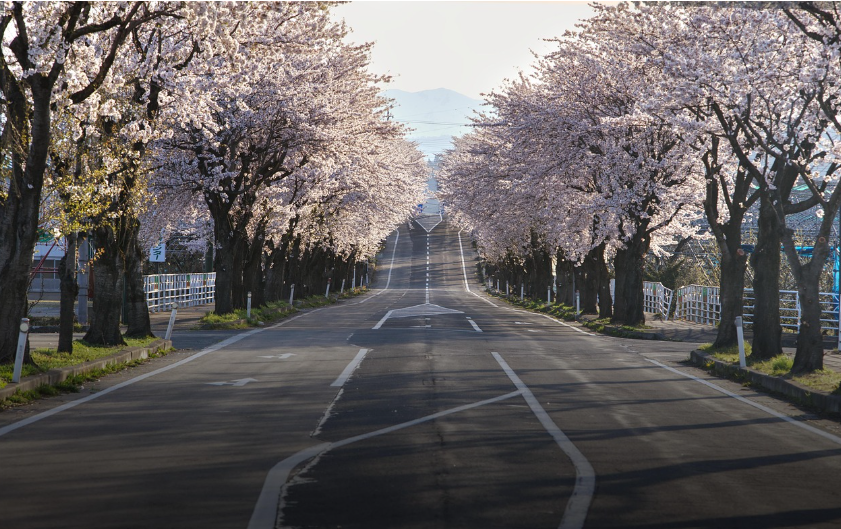
Spring can be comfortable and is famous for cherry blossoms. Summer can be hot and humid. Autumn often brings cooler temperatures and colorful leaves. Winter can be cold, especially in northern areas and mountainous regions.
Before packing, check the weather forecast for the cities you will visit.
Do not pack only according to the season. Consider your exact destinations.
If you plan to visit both cities and mountains, you may experience very different temperatures during the same trip.
Comfortable clothing and suitable shoes are especially important because sightseeing in Japan often involves considerable walking.
Bring Comfortable Walking Shoes
Japan is a country where comfortable shoes can make a major difference.
You may walk through train stations, shopping streets, parks, temples, gardens, and neighborhoods during the same day.
Even if public transportation takes you close to your destination, you may still need to walk several minutes from the station.
Choose shoes that you have already worn and know are comfortable. Avoid bringing completely new shoes on your first day.
Your feet can become tired quickly if you underestimate how much walking your trip will involve.
Learn About Japanese Food Culture
Food is one of the most enjoyable parts of traveling to Japan.
You can find sushi, ramen, tempura, curry, grilled foods, rice dishes, noodles, desserts, and many regional specialties.
Do not limit yourself to famous dishes only. Different parts of Japan have their own food traditions.
Convenience stores are also surprisingly useful for travelers. They offer drinks, snacks, prepared meals, breakfast items, and other everyday products.
If you have food allergies or dietary restrictions, learn the Japanese words for the ingredients you need to avoid. Carrying a translated allergy card can also help when communicating with restaurants.
Be Careful With Restaurant Customs
Restaurant customs can vary.
In some places, you may order using a vending machine before sitting down. In other restaurants, staff may take your order at the table.
Some restaurants have limited seating and may expect customers to eat efficiently rather than remain for a long time after finishing.
Observe how local customers behave and follow the restaurant’s instructions.
If you receive a small wet towel, it is usually meant for cleaning your hands. Use it appropriately rather than treating it like a regular table napkin.
Do Not Expect Public Trash Bins Everywhere
One surprising thing for many first time visitors is the limited number of public trash bins in some areas.
You may buy a snack or drink and then find that there is nowhere nearby to throw away the packaging.
For this reason, carrying a small plastic or reusable bag can be helpful.
You can keep your waste with you until you find a suitable place to dispose of it.
Japan is known for clean streets, and visitors are expected to take responsibility for their own waste.
Understand Convenience Stores
Japanese convenience stores are extremely useful for travelers.
You can find food, drinks, snacks, toiletries, basic travel supplies, ATMs, and other useful items.
Stores such as these can be particularly helpful when you arrive late at night or need something quickly.
If you are staying in an area away from major tourist attractions, a nearby convenience store can become an important part of your daily routine.
Do not overlook them simply because they look like ordinary shops.
Choose Your Accommodation Carefully
Japan offers many types of accommodation.
You can stay in modern hotels, budget hotels, hostels, traditional inns, apartment style accommodation, or capsule hotels.
When choosing a place to stay, location is often more important than having the largest room.
A hotel close to a convenient train station can save you time and energy every day.
Before booking, check the distance to the nearest station, check in and check out times, room size, luggage facilities, and available amenities.
Japanese hotel rooms can sometimes be smaller than travelers expect, especially in major cities.
Understand Hotel Room Sizes
If you are traveling from a country where hotel rooms are generally large, do not be surprised by smaller rooms in Japanese cities.
A small room does not necessarily mean poor quality. Space is often limited in dense urban areas.
Think carefully about how much luggage you are bringing.
Large suitcases can become difficult to manage on trains, in small hotel rooms, and on narrow streets.
Traveling with practical luggage can make your experience much easier.
Learn About Luggage Delivery
Japan has convenient luggage delivery services in many areas.
If you are traveling between cities, you may be able to send your suitcase directly from one hotel to another rather than carrying it everywhere.
This can be especially useful if you plan to use trains during busy periods.
Ask your hotel whether they can arrange luggage delivery and confirm the expected delivery time.
Keep important items such as passports, medication, money, and essential electronics with you rather than sending them separately.
Carry Your Passport Safely
Your passport is one of the most important documents during international travel.
Keep it secure and make copies or digital backups of important travel documents.
You should also have access to your accommodation details, flight information, insurance information, and emergency contacts.
Do not rely entirely on your phone. If your phone battery dies, you should still have enough information to find your hotel and continue your journey.
Prepare Your Internet Connection
Internet access can make traveling in Japan much easier.
You may use maps, translation applications, train information, restaurant searches, digital tickets, and communication services throughout the day.
Depending on your phone and travel plan, you may use international roaming, a travel SIM, or an eSIM.
Check your phone’s compatibility before traveling.
It is also useful to download maps or important information for offline use in case you temporarily lose your connection.
Respect Temples and Shrines
Japan has many beautiful temples and shrines.
These places are not simply tourist attractions. They can also be important religious and cultural spaces.
Speak quietly, follow signs, and observe local customs.
Some locations have specific instructions about photography. Do not photograph restricted areas simply because other visitors are taking pictures nearby.
If you see a purification area or a specific procedure for entering a sacred space, take a moment to understand what people are doing before participating.
Respect is more important than trying to copy every traditional action perfectly.
Plan Your Days Without Overloading Them
One common mistake first time visitors make is trying to see too many places in one day.
Japan has many attractions, but moving between them takes time.
Instead of planning ten major attractions in a single day, choose a few important places and leave time for walking, eating, shopping, and unexpected discoveries.
A slower schedule can make your trip more enjoyable.
For example, you might spend one day exploring a particular neighborhood rather than traveling across an entire city several times.
Understand Peak Travel Periods
Japan can become extremely busy during certain holidays and popular travel seasons.
Hotels, trains, and attractions may become more crowded during these periods.
Before finalizing your itinerary, check the dates of major Japanese holidays and local events.
If you plan to travel during a busy period, book important accommodation and transportation arrangements early.
Popular attractions may also require advance reservations.
Learn How to Use Public Bathrooms
Public bathrooms are generally easy to find in Japan, including at train stations, shopping centers, parks, and convenience stores.
Japanese toilets can have many functions that may look unfamiliar to first time visitors.
Do not press random buttons without understanding what they do.
Follow the instructions shown on the control panel. Many modern toilets include English labels or symbols.
Keeping a small pack of tissues with you is still useful because facilities can vary depending on where you are.
Be Prepared for Earthquakes
Japan is located in an earthquake prone region.
This does not mean you should be afraid of visiting. Earthquake safety is simply something travelers should understand.
When you arrive at your hotel, become familiar with emergency instructions and exits.
If an earthquake occurs, remain calm and follow official instructions. Avoid using elevators during an emergency unless authorities specifically tell you otherwise.
Hotels and public facilities generally have procedures for emergencies.
Knowing the basics before your trip can help you react more calmly if an unexpected event occurs.
Keep Your Travel Documents Organized
Before leaving home, organize your important documents.
Keep your passport, visa or entry documents if required, flight details, accommodation information, travel insurance details, and emergency contacts in an accessible place.
Digital copies can be stored securely on your phone or in cloud storage.
It is also helpful to write down your hotel’s address in Japanese. If you need to show it to a taxi driver or another person, the Japanese address can be easier to understand.
Plan Your Budget Before You Arrive
Japan can be visited on different budgets.
Your total spending will depend on your accommodation, transportation, food choices, shopping, and activities.
Create a basic daily budget before your trip.
Separate your expected costs into categories such as accommodation, food, transportation, attractions, shopping, and emergency expenses.
Do not plan your budget so tightly that you have no money available for unexpected costs.
A little flexibility can make your trip much less stressful.
Be Patient With Yourself
Your first day in Japan may feel confusing.
You may take the wrong train, enter the wrong station exit, misunderstand a restaurant system, or struggle with a vending machine.
These things happen to many travelers.
Do not expect yourself to understand everything immediately.
Japan becomes easier as you spend more time there. After a few days, you will probably understand the transportation system, payment methods, restaurant customs, and everyday routines much better.
Final Thoughts
Knowing what to expect before traveling to Japan for the first time can make your journey smoother and more comfortable. The most important things are not complicated. Learn some basic Japanese expressions, understand public transportation, carry some cash, wear comfortable shoes, respect local customs, prepare for the weather, and keep your travel documents organized.
Japan rewards travelers who take time to observe their surroundings. Instead of rushing from one attraction to another, give yourself opportunities to experience local streets, food, neighborhoods, temples, markets, parks, and everyday life.
You do not need to become an expert on Japanese culture before visiting. A respectful attitude, basic preparation, and willingness to learn will take you a long way.
Your first trip to Japan can be full of new experiences. With a little planning before departure, you can spend less time worrying about practical problems and more time enjoying the country, its people, traditions, food, and unforgettable places.