 travelguaidewithme
Related Articles
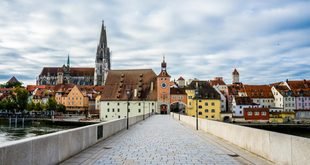


Nuremberg is one of those German cities that becomes more interesting the longer you stay. At first, many visitors notice its beautiful old town, historic buildings, and impressive castle. But after spending some time here, you begin to see that Nuremberg has many different sides. It is a city of medieval history, museums, traditional food, peaceful streets, lively markets, and important twentieth century history.
If you are visiting Nuremberg for the first time, you may wonder where to begin. The good news is that many of the best attractions are close to each other, especially around the Old Town. This makes Nuremberg a comfortable city to explore on foot.
In this guide, I will share the best things to do in Nuremberg Germany for first time tourists. I have focused on places and experiences that can help you understand the city instead of simply checking famous attractions off a list.
1. Explore Nuremberg Old Town
The best place to start your visit is Nuremberg Old Town. This historic area is full of attractive buildings, small streets, churches, shops, cafes, and traditional German architecture.
Walking through the Old Town is an experience in itself. You do not need a strict plan at first. Take your time and notice the details around you. Some streets feel quiet and residential, while others are filled with visitors and local businesses.
One of the most interesting parts of the Old Town is how the historic architecture sits alongside modern city life. You can visit a centuries old church and then walk a few minutes to a modern cafe or shop.
I recommend visiting the Old Town during the morning if you want a quieter experience. Later in the day, the streets can become much busier.
2. Visit Nuremberg Castle
Nuremberg Castle is probably one of the first places that comes to mind when thinking about this city. The castle stands above the Old Town and offers an excellent introduction to Nuremberg’s medieval history.
The castle complex includes historic buildings, towers, courtyards, and defensive structures. As you walk around the site, it becomes easier to imagine how important Nuremberg was during the medieval period.
One of the main reasons I would recommend visiting the castle is the view. From the higher parts of the castle area, you can look across the Old Town and see the rooftops stretching in different directions.
Try to visit when the weather is clear. The view is much more enjoyable when you can see the city properly.
3. Walk Along the Pegnitz River
The Pegnitz River passes through Nuremberg and adds a peaceful atmosphere to the city center.
After spending time exploring museums and historic buildings, walking beside the river can be a nice change of pace. There are bridges, riverside buildings, small paths, and attractive views that make this part of the city pleasant for photography.
One of the nicest things about walking near the Pegnitz is that you do not need to rush. Find a comfortable route and simply enjoy the atmosphere.
The river area also gives you a different perspective of Nuremberg. Instead of looking at the city through museums and monuments, you can experience its everyday side.
4. See the Beautiful Schöner Brunnen
Schöner Brunnen is one of the most famous landmarks in Nuremberg’s Old Town. This impressive fountain stands beside the main market area and is easy to include in a walking tour.
The fountain is decorated with numerous figures and detailed Gothic design. It is a small attraction compared with the castle or major museums, but it is worth seeing because of its location and appearance.
There is also a famous tradition involving the golden ring attached to the fountain. Visitors often turn the ring while making a wish.
Whether or not you believe the tradition, it is a fun little part of visiting Nuremberg.
5. Visit Hauptmarkt
Hauptmarkt is the central market square in the Old Town. It is one of the best places to experience the atmosphere of central Nuremberg.
During different times of the year, the square hosts markets and events. During the Christmas season, it becomes particularly famous because of the Nuremberg Christkindlesmarkt.
Even outside the Christmas period, Hauptmarkt is worth visiting. The surrounding historic buildings and the Schöner Brunnen make it an excellent place to stop during your Old Town walk.
If you enjoy trying local food, this is also a good area to look for traditional snacks.
6. Enter St. Lorenz Church
St. Lorenz Church is one of the most impressive churches in Nuremberg. Its large Gothic structure makes it easy to recognize while walking through the city center.
Inside, you can see beautiful religious artwork and architectural details. The interior is quite different from the busy streets outside, so it can be a peaceful place to spend a few minutes.
You do not have to be an expert in European history or architecture to appreciate the church. Simply take some time to look at the structure, windows, artwork, and atmosphere.
For first time tourists, St. Lorenz Church is an easy attraction to add to a walking itinerary because it is located close to other important sights.
7. Discover St. Sebaldus Church
Another important church in Nuremberg is St. Sebaldus Church. It is located near the Old Town’s central attractions and has a long connection with the history of the city.
The church is named after Saint Sebald, who is closely associated with Nuremberg. Inside, visitors can see impressive artwork and historical details.
I would recommend visiting both St. Sebaldus Church and St. Lorenz Church because they offer different experiences. Seeing them together also helps you understand the importance of religion and architecture in historic Nuremberg.
8. Learn About Nuremberg’s Medieval History at the City Walls
Nuremberg was once surrounded by substantial defensive walls, and parts of these historic fortifications can still be seen today.
Walking around the remaining city wall areas is a good way to understand how the medieval city was protected.
For me, historic walls are often more interesting when you see them in their original urban setting. Instead of looking at a wall inside a museum, you can walk beside it and see how it fits into the modern city.
This is also a nice option for visitors who enjoy photography and architecture.
9. Visit the Germanisches Nationalmuseum
If you want to understand German art and culture, the Germanisches Nationalmuseum should be high on your list.
The museum contains a large collection covering different periods of German cultural history. There are artworks, historical objects, instruments, sculptures, and other exhibits.
Because the collection is extensive, do not feel that you have to see everything in one visit. Choose the sections that interest you most.
I usually find that museums become more enjoyable when you avoid trying to rush through every room. Give yourself enough time to actually look at the objects and read some of the explanations.
10. Explore the Documentation Center
Nuremberg has a particularly important connection with twentieth century German history. The Documentation Center Nazi Party Rally Grounds is one of the places where visitors can learn about this difficult period.
The museum focuses on the history of the Nazi Party rally grounds and the propaganda events that took place in Nuremberg.
This is not a light sightseeing attraction, but it is an important one. The exhibits provide historical context and help visitors understand why Nuremberg became significant in the history of Nazi Germany.
If you visit, give yourself enough time to absorb the information. It is better experienced slowly rather than quickly.
11. Walk Around the Nazi Party Rally Grounds
The former Nazi Party Rally Grounds cover a large area and are connected with the Documentation Center.
The site is historically significant because of the huge political rallies held there during the Nazi period.
Today, the area provides an opportunity to understand the scale and ambition of the architecture used for political propaganda.
Visiting the grounds together with the Documentation Center can make the history easier to understand because you can see the physical location discussed in the exhibits.
12. Learn About the Nuremberg Trials
Another major part of the city’s modern history is the Nuremberg Trials.
The Memorium Nuremberg Trials explains the international trials that took place after the Second World War. The trials were important because leading Nazi officials were prosecuted for major crimes committed during the war.
The museum provides information about the courtroom, the people involved, and the historical importance of the proceedings.
For visitors interested in history, this is one of the most meaningful things to do in Nuremberg Germany. It also shows that the city’s history is not limited to medieval castles and churches.
13. Try Traditional Nuremberg Sausages
No trip to Nuremberg feels complete without trying Nürnberger Rostbratwürste.
These small sausages are one of the city’s best known traditional foods. They are usually served in groups and can be enjoyed with bread, mustard, sauerkraut, or potato based side dishes.
One of the enjoyable parts of visiting a historic city is trying food that has been connected with the place for generations.
You do not need to visit an expensive restaurant to try them. You can find traditional sausage dishes at different types of local restaurants and food stalls.
14. Try Nuremberg Gingerbread
Another local specialty worth trying is Nürnberger Lebkuchen.
This traditional gingerbread is particularly associated with Nuremberg and is especially popular during the Christmas season. However, you can find it at other times of the year as well.
There are different varieties, and some are covered with chocolate or sugar while others have a more traditional appearance.
If you enjoy food souvenirs, Lebkuchen can also be a practical gift to take home.
15. Visit Albrecht Dürer’s House
Art lovers should consider visiting Albrecht Dürer’s House. Dürer was one of the most important artists associated with Nuremberg and is widely known for his paintings, prints, drawings, and engravings.
The historic house provides insight into the life and working environment of the artist.
Even if you are not familiar with Dürer’s work before arriving in Nuremberg, the visit can give you a better understanding of the city’s cultural history.
The house is also located in the Old Town near the castle, making it convenient to combine these attractions on the same day.
16. Spend Time at Handwerkerhof
Handwerkerhof is a charming area near the main train station where visitors can experience traditional crafts, food, and small shops.
The setting feels different from the larger modern streets surrounding the railway station. Small buildings and traditional businesses create a more historic atmosphere.
It is a good place to browse local crafts and look for souvenirs.
If you arrive in Nuremberg by train, Handwerkerhof is especially convenient because you can visit it soon after arriving or before leaving the city.
17. Visit the Toy Museum
Nuremberg has a long connection with toy production, making the Toy Museum an interesting stop for families and anyone interested in cultural history.
The museum explores the development of toys across different periods. You can see historic toys and learn how play and toy production changed over time.
I think this is a good example of why Nuremberg is more than its famous medieval attractions. The city has many smaller museums that reveal different parts of its identity.
Families traveling with children may find this museum particularly enjoyable.
18. Take a Relaxing Walk in Tiergärtnertor Square
Tiergärtnertorplatz is one of the most attractive areas near Nuremberg Castle.
The square is surrounded by historic buildings and has a relaxed atmosphere. It is a nice place to stop after exploring the castle and nearby streets.
This is the kind of place where I would recommend putting the camera away for a few minutes and simply enjoying the surroundings.
There are cafes and places nearby where you can take a break before continuing your sightseeing.
19. Explore the Christmas Market
If you visit Nuremberg during the Christmas season, the Christkindlesmarkt is an experience worth considering.
The market is famous for its traditional setting, food, decorations, gifts, and seasonal atmosphere.
The market can become very busy, so visitors who prefer a quieter experience should consider going earlier in the day.
Try local food and drinks, browse the stalls, and enjoy the atmosphere rather than trying to see everything quickly.
For many travelers, the Christmas market becomes one of the most memorable experiences in the city.
20. Take a Day Trip From Nuremberg
If you have several days in the region, Nuremberg can also work as a base for exploring nearby destinations.
The city has good transport connections, making day trips possible depending on your schedule.
One popular idea is visiting Bamberg, a historic city known for its old buildings, waterways, and traditional atmosphere. Another option is Rothenburg ob der Tauber, which is famous for its medieval appearance.
A day trip is not necessary if you only have one day in Nuremberg. However, travelers staying for several nights can use the extra time to explore more of Bavaria and Franconia.
Best Time to Visit Nuremberg
The best time to visit Nuremberg depends on what you want to experience.
Spring can be pleasant for walking because temperatures are generally comfortable and the city begins to feel lively after winter.
Summer is popular with tourists because of longer daylight hours and warmer weather. This is a good period for walking tours and outdoor sightseeing, although some attractions can be busy.
Autumn can be a beautiful time to visit because of the changing colors and cooler temperatures.
Winter has a special appeal because of the Christmas market. If the market is one of your main reasons for visiting, expect larger crowds and higher demand for accommodation.
How Many Days Do You Need in Nuremberg?
For a first visit, I would recommend at least two days if your schedule allows.
One day can be enough to see the main Old Town attractions, visit Nuremberg Castle, walk through the historic streets, and try local food.
With two days, you can explore the Old Town more slowly and visit museums such as the Germanisches Nationalmuseum, the Documentation Center, or the Nuremberg Trials Memorial.
Three days gives you even more flexibility and allows you to consider a nearby day trip.
Tips for First Time Tourists in Nuremberg
The historic center is relatively easy to explore on foot, so comfortable shoes are important.
Start your sightseeing early if you want to photograph popular attractions without large crowds.
Do not try to visit every museum in one day. Choose the ones that match your interests.
Take some time to enjoy local food instead of eating only familiar international dishes.
If you are interested in history, give extra time to the Documentation Center and Nuremberg Trials Memorial. These places add important context to the city.
Public transportation can also be useful when visiting attractions outside the Old Town.
Most importantly, leave some free time in your itinerary. Some of the best moments in Nuremberg can happen while simply walking through its historic streets.
Final Thoughts
Nuremberg is a destination that combines several different periods of history in one city. Its medieval castle, historic churches, beautiful Old Town, museums, traditional food, and important modern history give visitors plenty to discover.
For first time tourists, the best approach is to begin with the Old Town and gradually explore beyond it. Visit Nuremberg Castle, walk beside the Pegnitz River, see Schöner Brunnen, explore the churches, and try traditional Nuremberg sausages and gingerbread.
After that, spend time learning about the city’s more difficult twentieth century history through the Documentation Center and Nuremberg Trials Memorial.
What I like most about Nuremberg is that it does not feel like a city where you have to rush from one attraction to another. You can enjoy a museum in the morning, have a traditional meal at lunch, walk through historic streets in the afternoon, and finish the day beside the river.
If you are planning your first trip to Germany and want a destination with history, culture, food, architecture, and an easy to explore city center, Nuremberg is certainly worth adding to your travel plans.