 travelguaidewithme
Related Articles
Skardu is one of those destinations that completely changed how I think about travel within Pakistan. Surrounded by some of the tallest mountains on earth, sitting at the gateway to K2 and countless other legendary peaks, this region left an impression on me that has genuinely stayed long after I returned home. Since then, I have had multiple friends and readers ask me for a proper, detailed guide based on my actual experience, so I decided to put together everything I learned into one honest, practical Skardu travel guide.
This is not a generic overview copied from a dozen other websites. Everything here comes from my own planning, my own mistakes, and my own unforgettable moments spent exploring this incredible part of Gilgit Baltistan.
Why Skardu Deserves a Spot on Your Travel List
Before diving into the practical details, I want to explain why Skardu genuinely stands out compared to other destinations across northern Pakistan. This region offers a rare combination of dramatic mountain scenery, unique high altitude landscapes, and a rich cultural history that few other places can match.
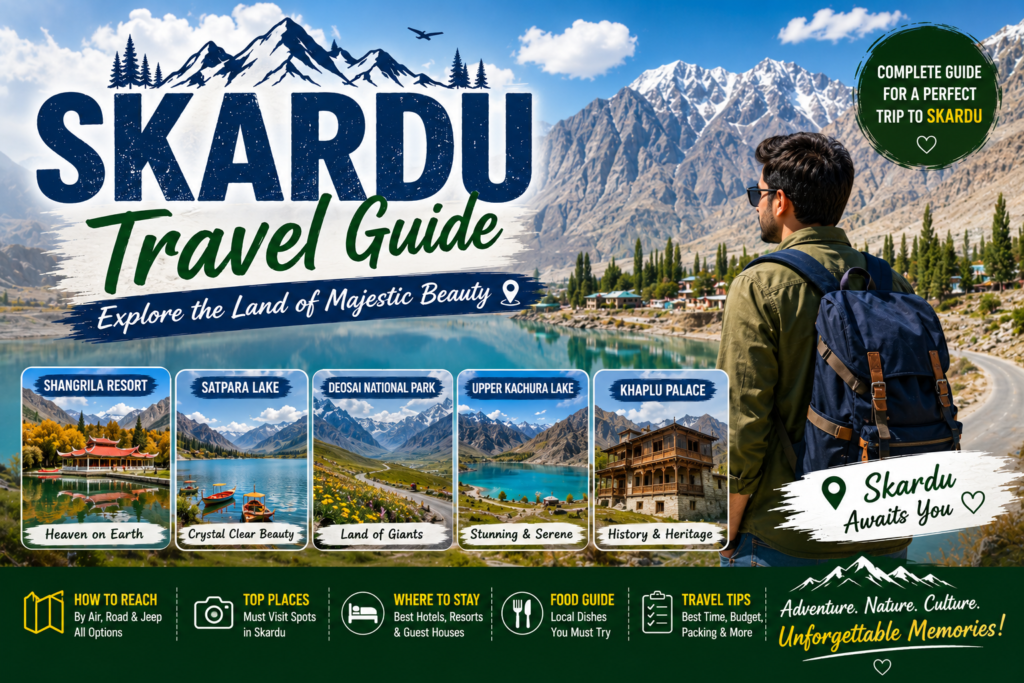
From the otherworldly plains of Deosai to the mirror like waters of Shangrila and Upper Kachura Lake, Skardu offers a variety of experiences packed into one relatively compact region. Whether you are drawn to adventure trekking, peaceful lakeside relaxation, or simply witnessing some of the most breathtaking mountain views anywhere in the world, Skardu genuinely delivers.
How I Actually Got There
Reaching Skardu is part of the adventure itself, and there are two main options worth understanding clearly before planning your own trip.
Flying into Skardu is by far the fastest option, with flights available from Islamabad. The flight itself offers absolutely stunning aerial views of the surrounding mountain ranges, and on a clear day, it genuinely feels like one of the most scenic flights you could ever take. That said, flights to Skardu are heavily dependent on weather conditions, and delays or cancellations are fairly common, especially during unpredictable weather periods. I would strongly recommend building extra flexibility into your schedule if you plan to fly, rather than assuming your flight will depart exactly on time.
The alternative is traveling by road, which takes considerably longer, often spanning a full day or more depending on your starting point, but offers an incredible journey through the Karakoram Highway. I chose the road route during one of my trips specifically to experience the drive itself, and while it required significantly more time and patience, the scenery along the way made the entire journey feel worthwhile.
The Best Time to Visit Skardu
Based on my own experience, the ideal time to visit Skardu generally falls between late spring and early autumn, roughly from May through September. During this period, weather conditions remain relatively stable, roads and higher altitude areas like Deosai National Park become accessible, and daytime temperatures stay comfortable for exploring.
I visited during the peak summer months and found the weather pleasant, with cool evenings and comfortably warm days perfect for outdoor exploration. Winter travel to Skardu is possible but comes with significant challenges, including heavy snowfall, closed roads to higher altitude areas, and considerably colder temperatures. Unless you are specifically seeking a winter adventure and are well prepared for the conditions, I would recommend sticking to the warmer months for a smoother, more accessible experience.
Where I Stayed in Skardu
Accommodation options in Skardu range from budget friendly guesthouses to more comfortable mid range hotels, and I have personally experienced a mix of both across different trips.
For travelers looking to keep costs manageable, several guesthouses throughout Skardu town offer clean, comfortable rooms at reasonable prices, often run by welcoming local families who genuinely add to the overall experience through their hospitality. For those wanting a bit more comfort, resorts near Shangrila and other scenic areas offer a more polished experience, often with stunning views included as part of the stay.
I personally found that booking accommodation slightly in advance, especially during peak summer months, helped avoid the stress of arriving and searching for a place to stay on short notice, since popular options can fill up quickly during high season.
Deosai National Park: The Highlight of My Entire Trip
If there is one single experience from my time in Skardu that stands out above everything else, it is Deosai National Park. Often referred to as the Land of Giants due to its vast, open plains sitting at an incredibly high altitude, Deosai offers a landscape unlike anything else I have witnessed in Pakistan or anywhere else, for that matter.
Reaching Deosai requires a jeep ride along a rugged mountain road, and the journey itself builds genuine anticipation as the trees gradually disappear and the landscape opens into endless rolling plains. Wildflowers cover the ground during peak summer months, and if you are fortunate, you might even spot the Himalayan brown bear, which calls this protected area home.
I spent hours simply walking through the plains, taking in views that stretched further than I could have imagined, with almost no other sign of human development anywhere in sight. Sheosar Lake, located within the park, added another layer of beauty, with its still, reflective water surrounded by distant peaks.
If your Skardu travel guide research leads you to only one specific recommendation from my own experience, let it be this. Do not skip Deosai National Park under any circumstances.
Shangrila Resort and Lower Kachura Lake
Shangrila, often nicknamed Heaven on Earth, is another destination that genuinely lived up to its reputation during my visit. The lake here, framed by mountains and dotted with small boats, creates a scene that feels almost too perfect to be real.
I spent a peaceful afternoon here, walking along the lakeside paths and enjoying the calm atmosphere that felt like a welcome contrast to some of the more rugged, adventurous parts of my trip. Even if you choose not to stay overnight at the resort itself, I would still recommend visiting simply to experience the lake and surrounding scenery firsthand.
Upper Kachura Lake
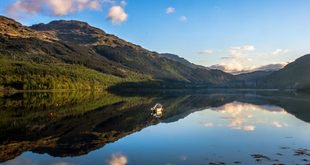
A short distance from Shangrila, Upper Kachura Lake offered a quieter, less crowded alternative that I genuinely enjoyed just as much, if not more. Surrounded by dense forest and dramatic cliffs, the lake’s clear water created stunning reflections of the surrounding landscape.
This spot felt noticeably more peaceful compared to Lower Kachura Lake near Shangrila, making it a great choice for travelers looking for a slightly more secluded, tranquil experience during their time in Skardu.
Skardu Fort and the Old City
Beyond the natural landscapes, Skardu also offers a meaningful glimpse into local history through Skardu Fort, also known as Kharpocho Fort, perched on a hill overlooking the town and the Indus River below. Climbing up to the fort rewarded me with sweeping panoramic views of the entire valley, making the moderate hike well worth the effort.
Exploring the old city area of Skardu itself gave me a chance to interact with locals, visit small shops, and get a genuine sense of daily life in the region beyond just its natural attractions. I found this part of my trip surprisingly enjoyable, offering a nice balance to the more nature focused parts of the itinerary.
Basho Valley: A Quiet Detour Worth Taking
During one of my trips, a local guide recommended a detour to Basho Valley, and I am genuinely glad I took the suggestion. This forested valley offered dense pine trees, flowing streams, and peaceful camping spots that felt far removed from the more heavily visited attractions closer to central Skardu.
If you have extra time in your itinerary and want a quieter, less crowded experience, I would recommend including Basho Valley as a worthwhile addition to your Skardu travel guide research.
Khaplu: A Short Trip With Rich History
Khaplu, located a short distance from Skardu, offered one of the more culturally rich experiences of my entire trip. Khaplu Fort, beautifully restored and now partly functioning as a heritage hotel, gave me genuine insight into the region’s royal history, with intricate architecture that reflected a blend of local and broader regional influences.
The surrounding valley, filled with apricot orchards and quiet villages, added a peaceful, slower paced contrast to some of the more adventure focused parts of my journey through Gilgit Baltistan.
Food and Local Cuisine in Skardu
Food became one of the unexpectedly enjoyable parts of my time in Skardu. Local cuisine here reflects the broader Balti culture, with hearty, warming dishes suited to the region’s high altitude climate. I particularly enjoyed trying local bread varieties, along with traditional dishes featuring lentils, meat, and regional spices distinct from what I typically experience elsewhere in Pakistan.
Apricots, grown widely throughout the region, showed up in various forms throughout my trip, from fresh fruit to dried snacks and even flavored into certain local dishes. Trying these regional specialties added an extra layer of cultural connection to my overall experience.
Budgeting for a Trip to Skardu
Based on my own spending, Skardu can be explored on a range of budgets depending on your accommodation choices, transportation method, and how many guided excursions you choose to include, such as jeep tours to Deosai or other remote areas.
Budget travelers can keep costs relatively low by choosing guesthouse accommodation, traveling by road rather than flying, and sharing jeep excursions with other travelers to split transportation costs. Those looking for a more comfortable experience can expect higher costs associated with resort style accommodation and private transportation arrangements.
I would recommend building a bit of extra budget flexibility into your plans specifically for jeep rentals, since exploring areas like Deosai and Basho Valley typically requires hiring a jeep and driver familiar with the challenging local roads.
Practical Tips Based on My Own Experience
A few practical lessons from my own trips genuinely made a difference in how smoothly everything went. Packing layers, even during summer months, helped me stay comfortable given how quickly temperatures can shift, especially at higher altitudes like Deosai.
Carrying cash became essential, since ATM access and card payment options remain limited in more remote parts of the region compared to larger Pakistani cities. I also found that booking jeep excursions a day in advance, rather than trying to arrange everything last minute, helped avoid unnecessary delays once I was ready to explore.
Building extra flexibility into my overall itinerary, particularly around flight schedules, helped reduce stress significantly, given how weather dependent air travel to Skardu can be.
Suggested Itinerary Based on My Own Trip
If you are trying to plan how much time to spend in Skardu, based on my own experience, I would recommend a minimum of four to five days to comfortably cover the main highlights without feeling rushed.
I would suggest spending your first day settling in and exploring Skardu Fort and the old city area, followed by a full day dedicated entirely to Deosai National Park, since the journey and exploration time alone can easily fill an entire day. Another day can be spent visiting Shangrila and Upper Kachura Lake, followed by a day trip to either Khaplu or Basho Valley depending on your personal interests. Reserving an additional day for flexibility, whether due to weather delays or simply wanting extra time at a favorite spot, rounded out my own itinerary nicely.
Final Thoughts From My Own Time in Skardu
Reflecting on everything I experienced during my time exploring this region, I genuinely believe Skardu offers one of the most rewarding travel experiences available anywhere in Pakistan. The combination of dramatic mountain scenery, unique high altitude landscapes like Deosai, peaceful lakes, and meaningful cultural history creates a destination that genuinely has something for every type of traveler.
If you are putting together your own Skardu travel guide based on everything shared here, I hope my own honest experiences help you plan a trip that feels just as unforgettable as mine continues to be, long after I returned home. Skardu is not simply a destination to check off a list. It is a place that genuinely stays with you, and I have no doubt it will leave the same lasting impression on you that it left on me.