 travelguaidewithme
Related Articles
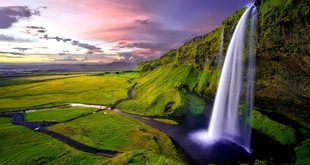
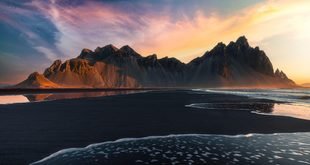
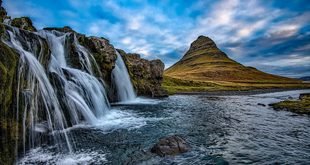
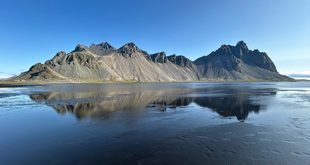
Stórurð Iceland hiking trail is one of the most impressive hiking experiences in East Iceland. Hidden beneath the dramatic Dyrfjöll mountains, Stórurð is famous for its enormous rocks, green valleys, and beautiful blue green ponds. The landscape feels completely different from the more popular tourist attractions around Iceland, which makes this hike especially interesting for travelers who want to experience a quieter side of the country.
The name Stórurð is often translated as “Giant Boulders” or “Large Rock Pile,” and the name makes sense as soon as you arrive. Huge rocks are scattered across the valley, with small turquoise pools sitting between them. Behind the rocks, the steep Dyrfjöll mountains create an impressive natural backdrop.
The hike is not extremely technical, but it is long and requires reasonable fitness. Trail conditions can also change quickly because this is Iceland, where weather can be unpredictable even during summer. The most popular route starts near Vatnsskarð on Route 94, although several marked hiking routes lead to Stórurð.
Where Is Stórurð in Iceland?
Stórurð is located in East Iceland near Borgarfjörður Eystri, an isolated area known for dramatic mountains, fjords, hiking trails, and relatively few tourists.
The area forms part of the wider Víknaslóðir hiking region, which contains many marked hiking routes through the mountains and valleys of East Iceland. Stórurð is one of the highlights of this region because of its unusual combination of giant boulders and blue green ponds.
From Egilsstaðir, travelers generally drive along Route 94 toward Borgarfjörður Eystri. The journey itself is beautiful, with mountain and fjord scenery appearing along the way. Several trailheads can be found along Route 94, giving hikers different options for reaching Stórurð.
Why Is Stórurð So Special?
There are many beautiful hiking trails in Iceland, but Stórurð has a landscape that is difficult to compare with anything else.
The valley contains enormous blocks of rock that were left behind by glacial activity. These rocks sit among grassy areas and small ponds, creating a landscape that almost looks like a scene from a fantasy movie.
The blue green water is another major attraction. On a calm and sunny day, the ponds can reflect the surrounding mountains, making the area even more beautiful.
The Dyrfjöll mountain range provides the perfect background. Its dramatic shape and steep cliffs make the approach to Stórurð especially memorable.
Visit Austurland describes Stórurð as a rocky area surrounded by bright blue pools and giant boulders, with some rocks reaching the size of houses.
For many hikers, however, the biggest attraction is not one particular viewpoint. It is the feeling of walking into a remote natural landscape where enormous rocks, water, grass, and mountains all come together.
Stórurð Hiking Trail Distance
The exact distance depends on which trailhead you choose.
The Vatnsskarð route is one of the most popular options. Different trail descriptions give slightly different distances depending on the exact starting point and whether the local loop around Stórurð is included.
A commonly reported route from the Vatnsskarð area is around 13 to 15 kilometers for a return hike. Some route descriptions report approximately 13 kilometers, while Visit Austurland gives about 15 kilometers for the main route.
Other routes are available from Njarðvík and the Borgarfjörður Eystri area. The Njarðvík route can be shorter, while some routes from other trailheads are considerably longer.
Because of these differences, it is better to check the specific route you plan to use rather than relying on one distance for every Stórurð hike.
How Difficult Is the Stórurð Hike?
The Stórurð hiking trail is generally considered moderate, but some routes can feel challenging because of the distance, elevation, rocky terrain, streams, and changing weather.
The route from Vatnsskarð includes significant elevation change. One recent hiking guide lists around 680 meters of elevation gain for its route from the Vatnsskarð trailhead.
Another East Iceland tourism source lists the Stórurð hike as medium difficulty, with a distance of about 12.4 kilometers and approximately 438 meters of elevation gain for its listed route.
These differences show why hikers should look at the exact trail rather than assuming every Stórurð route has the same difficulty.
You do not need to be an expert mountaineer, but you should be comfortable walking for several hours over uneven ground. If you regularly hike and have reasonable fitness, the trail should be manageable in suitable weather.
How Long Does the Stórurð Hike Take?
Most hikers should allow at least five to six hours for the complete experience, especially if they want to spend some time exploring the boulder field.
Visit Austurland recommends allowing at least six hours for the journey, while other hiking sources give shorter estimates depending on the route and walking speed.
Your actual hiking time will depend on your fitness, weather, trail conditions, photography stops, and the amount of time you spend around the ponds.
I would not plan this hike as a rushed activity. Stórurð is the type of place where you will probably want to stop several times to enjoy the views.
Best Route to Stórurð
There are five marked hiking routes leading to Stórurð. These include routes from Vatnsskarð, Njarðvík, Hérað, and Borgarfjörður Eystri.
The Vatnsskarð route is one of the most popular choices.
The trail begins in the mountain area and gradually takes you toward the spectacular Dyrfjöll landscape. As you continue, the scenery changes from open grassy areas to more rugged terrain.
Eventually, the huge boulders of Stórurð begin to appear. The first sight of the rocks is one of the best moments of the hike because the landscape suddenly becomes much more dramatic.
Some routes involve steeper sections and stream crossings, while others provide a gentler approach. Before choosing a route, consider your hiking experience and the weather conditions on the day.
What the Trail Is Like
The Stórurð hiking trail passes through several different types of Icelandic scenery.
At the beginning, you may walk across grassy slopes and open mountain terrain. The landscape feels peaceful and wide, with views toward the surrounding mountains and fjords.
As you gain elevation, the scenery becomes more rugged. Depending on the season, you may encounter patches of snow, small streams, wet ground, and rocky sections.
The final approach toward Stórurð is particularly exciting because the giant rocks become more visible.
Some sections can be uneven, so good hiking boots are important. Hiking poles can also be useful, especially on descents and around rocky areas.
Exploring the Giant Boulders
Once you reach Stórurð, do not simply look at the area and immediately start walking back.
Take some time to explore.
The boulders are enormous, and walking between them gives you a completely different perspective. Some areas contain narrow passages between rocks, while other sections open into grassy spaces beside the ponds.
There are also places where you can sit and enjoy the landscape.
The local tourism information describes Stórurð as an area with large rock shelters, enormous cliffs and rocks, blue green ponds, and smooth grassy areas.
This variety is what makes the location so interesting. You can photograph a mountain one moment and then turn around to see a turquoise pond surrounded by huge rocks.
The Blue Green Ponds
The ponds are probably the most recognizable feature of Stórurð.
Their color can vary depending on the weather, light, and water conditions. On a bright day, the water can appear beautifully blue or turquoise against the darker rocks and green grass.
When the wind is calm, the surrounding mountains may appear reflected in the water.
These ponds are not large lakes, but their setting makes them look spectacular. They are surrounded by giant rocks and mountain scenery, which gives the entire area a remote and almost unreal appearance.
It is worth spending a few minutes simply sitting quietly near the water.
Best Time to Visit Stórurð
Summer is generally the best season for hiking to Stórurð.
The higher parts of the route can hold snow for a long time, and conditions may remain difficult early in the season. Local tourism information specifically warns that Stórurð can remain snowy and recommends checking snow conditions before hiking early in summer.
A recent East Iceland hiking guide also notes that snow can block access until late July because Stórurð sits at around 400 meters above sea level.
For most visitors, the safer approach is to plan the hike during the snow free summer period and check current trail and weather conditions before leaving.
Even in summer, Icelandic weather can change quickly. A sunny morning does not guarantee that the afternoon will remain clear.
What to Wear for the Stórurð Hike
The right clothing can make a huge difference.
Iceland’s weather is famous for changing quickly, and mountain conditions can be colder and windier than conditions at lower elevations.
Wear proper hiking boots with good grip. Waterproof clothing is also useful because rain can arrive unexpectedly.
A warm mid layer, waterproof outer layer, gloves, and a hat are sensible choices even during summer.
Avoid wearing ordinary sneakers for this hike. The terrain can be wet, rocky, and uneven, and proper footwear provides much better support.
I would also carry enough water and food for the entire hike. There may not be convenient facilities along the trail, so hikers should be prepared before leaving the trailhead.
Is Stórurð Suitable for Beginners?
Stórurð can be suitable for fit beginners who are comfortable with a long mountain hike, but I would not describe it as an easy walk.
The biggest challenge for beginners is usually the length of the hike rather than technical climbing.
Some routes also contain steep sections, rocky terrain, wet areas, and stream crossings. Poor weather can make navigation and walking more difficult.
If this is your first serious Iceland hiking experience, choose a good weather day, start early, carry appropriate equipment, and stay on the marked route.
It is also important to understand that different Stórurð routes have different levels of difficulty. The shorter Njarðvík route can have more technical sections, while some longer approaches are gentler.
Stórurð Hiking Safety Tips
Before starting the Stórurð Iceland hiking trail, check the weather forecast and trail conditions.
Do not underestimate fog. Visibility can become poor in mountain areas, and the local tourism authority warns that leaving marked trails can be risky in fog because navigation becomes difficult.
Stay on marked paths and avoid walking across fragile vegetation.
Carry a charged phone, offline map, and preferably a GPS navigation option. Do not depend entirely on mobile phone coverage.
Start early enough to complete the hike comfortably before conditions become difficult.
If a stream appears unsafe to cross, do not take unnecessary risks. Water levels can change, and what looks like a small stream can become more difficult after rain or snowmelt.
Most importantly, be prepared to turn around if the weather becomes dangerous.
Getting to Stórurð
The main trailheads are located along Route 94 in East Iceland.
Egilsstaðir is one of the most convenient bases for reaching the area. From Egilsstaðir, travelers follow Route 94 toward Borgarfjörður Eystri. The drive itself offers beautiful mountain scenery.
A rental car is generally the easiest way to reach the trailheads because public transportation options are limited or unavailable for these hiking starts.
Before driving, check road conditions and confirm that your planned route is accessible.
Icelandic roads can change with weather, especially outside the main summer season.
What to Bring
For a Stórurð hiking trip, I would keep my backpack practical rather than overloaded.
Bring plenty of drinking water, high energy snacks, a packed lunch, waterproof clothing, warm layers, a hat, gloves, a map, a charged phone, and a power bank.
Hiking poles are helpful on rocky and steep sections.
A small first aid kit is also a sensible addition.
You should also carry a camera because there are countless photography opportunities along the trail.
The best part is that you do not need professional equipment. The landscape is already doing most of the work.
Photography at Stórurð
Stórurð is an excellent location for landscape photography.
The giant boulders provide interesting foreground subjects, while Dyrfjöll creates a dramatic background.
The ponds can also provide reflections when the weather is calm.
Try photographing the area from different angles rather than taking only one wide landscape shot. Walk around the rocks and look for smaller details such as moss, water, grass, and unusual rock formations.
Early morning and later afternoon light can create beautiful shadows across the landscape.
However, photography should never come before safety. Be careful around wet rocks and steep edges, especially when trying to reach a better viewpoint.
Places to Visit Near Stórurð
Borgarfjörður Eystri is worth exploring if you have extra time.
The region is known for hiking, dramatic mountain scenery, and coastal landscapes. The village of Bakkagerði is a natural base for exploring the area.
The wider region also has access to the Víknaslóðir hiking network, which is one of East Iceland’s best areas for longer hiking adventures.
Travelers can also explore nearby coastal areas and birdwatching locations depending on the season.
If you are building a larger East Iceland itinerary, Stórurð can easily become one of the main highlights of your trip.
Where to Stay Near Stórurð
Borgarfjörður Eystri is the most convenient place to stay if you want to spend more than one day exploring the region.
There are guesthouses and camping options in and around Bakkagerði. Staying nearby means you do not have to make the long drive from another part of East Iceland on the same day as your hike.
Egilsstaðir is another useful base, especially for travelers planning to explore several parts of East Iceland.
If you stay in Egilsstaðir, remember to allow enough driving time before and after the hike.
Final Thoughts on the Stórurð Iceland Hiking Trail
The Stórurð Iceland hiking trail is one of those experiences that shows why Iceland is such a special destination for nature lovers.
The journey is not simply about reaching a viewpoint. The entire hike is part of the experience.
You walk through open mountain landscapes, see the dramatic Dyrfjöll range, cross streams, travel across rocky terrain, and eventually arrive at a valley filled with enormous boulders and beautiful blue green ponds.
It does require preparation. The hike can be long, the weather can change quickly, and some routes are more difficult than others. However, for hikers who are properly prepared, Stórurð offers an unforgettable experience away from some of Iceland’s busiest tourist attractions.
If you are planning an Iceland hiking itinerary and want something different from waterfalls, glaciers, and famous tourist roads, I would definitely consider adding Stórurð to the list.
The combination of giant rocks, turquoise ponds, green valleys, and the Dyrfjöll mountains makes this one of the most memorable hiking destinations in East Iceland.