 travelguaidewithme
Related Articles

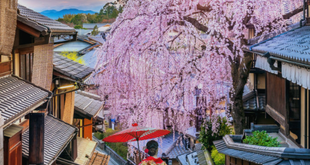
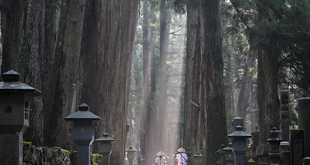
Japan is a fascinating country with a mix of modern cities, ancient temples, beautiful gardens, traditional villages, delicious food, and natural scenery. For a first time visitor, one of the biggest questions is how many days are enough for a Japan trip.
The answer depends on what you want to see, how much time you have, and how comfortable you are with moving between different cities. Japan is larger than many travelers expect, and traveling from one region to another can take several hours. A short trip can still be enjoyable, but having more days allows you to explore at a relaxed pace.
For most first time travelers, 10 to 14 days in Japan is a comfortable amount of time. This gives you enough time to visit major destinations such as Tokyo, Kyoto, Osaka, and nearby attractions without rushing through every day.
However, shorter and longer trips can also work well. In this guide, we will look at different trip lengths and explain what you can realistically do during each one.
Is 7 Days Enough for Japan?
Yes, seven days can be enough for a Japan trip if you focus on a small number of destinations.
A seven day Japan itinerary is better when you avoid trying to visit too many cities. Japan has excellent transportation, but changing hotels and traveling between cities takes time. If you spend every other day traveling, you may feel that you are seeing stations and trains instead of Japan itself.
For a first trip, you could divide seven days between Tokyo and Kyoto.
For example, you could spend four days in Tokyo and three days in Kyoto. This gives you an introduction to both modern and traditional Japan.
In Tokyo, you can explore areas such as Shibuya, Asakusa, Shinjuku, Harajuku, and Ueno. Each area has a different atmosphere, so even several days can pass quickly.
Kyoto offers a completely different experience. You can visit traditional temples, peaceful gardens, old streets, and historic neighborhoods.
A seven day trip is suitable for travelers who have limited vacation time and want to experience the highlights rather than explore Japan in depth.
How Many Days Are Ideal for a First Japan Trip?
For many travelers, 10 days is a very practical length for a first trip to Japan.
With 10 days, you can visit several major destinations while still having time to enjoy each place.
A possible itinerary could look like this:
Day 1 to Day 4: Tokyo
Day 5: Travel to Kyoto
Day 6 to Day 8: Kyoto
Day 9: Osaka
Day 10: Osaka and departure
This type of itinerary gives you a taste of Japan’s biggest attractions.
Tokyo provides modern city life, shopping, entertainment, museums, and famous neighborhoods. Kyoto gives you traditional architecture, temples, gardens, and cultural experiences. Osaka is known for its food, lively streets, and relaxed atmosphere.
You can also make a day trip from Tokyo or Kyoto if there is a particular place you want to see.
Is 14 Days Enough for Japan?
Two weeks is an excellent amount of time for a Japan trip.
With 14 days, you can travel beyond the most popular cities and experience a greater variety of Japanese culture and scenery.
A two week itinerary could include Tokyo, Mount Fuji, Kyoto, Nara, Osaka, Hiroshima, and another destination depending on your interests.
For example:
Days 1 to 4: Tokyo
Day 5: Mount Fuji area
Days 6 to 8: Kyoto
Day 9: Nara
Days 10 to 11: Osaka
Days 12 to 13: Hiroshima
Day 14: Return travel
This is only an example. You do not need to visit all these places.
One advantage of a two week Japan trip is that you can slow down. Instead of trying to see five attractions every day, you can spend more time walking around neighborhoods, eating local food, visiting small shops, and enjoying the atmosphere.
How Many Days Do You Need in Tokyo?
Tokyo deserves at least three to four full days for a first visit.
The city is enormous, and different neighborhoods can feel like completely different destinations.
With three days, you can cover several major areas. With four or five days, you can explore at a more comfortable pace.
A Tokyo trip could include:
Shibuya for its famous crossing and city atmosphere.
Asakusa for traditional streets and Senso ji Temple.
Shinjuku for shopping, restaurants, and evening entertainment.
Harajuku for fashion and youth culture.
Ueno for museums, parks, and cultural attractions.
Tokyo can easily fill a week by itself, especially if you enjoy shopping, food, technology, photography, or museums.
However, first time visitors who want to see other parts of Japan usually do not need to spend the entire trip in Tokyo.
How Many Days Do You Need in Kyoto?
Kyoto is worth at least two to three full days.
The city is famous for temples, shrines, gardens, traditional houses, tea culture, and historic streets.
Popular places include Fushimi Inari, Kiyomizu dera, Arashiyama, Gion, and several beautiful gardens and temples.
One important thing to remember is that Kyoto attractions are spread across different parts of the city. Traveling between them can take time.
If you only have two days, choose your attractions carefully.
With three or four days, you can explore more neighborhoods and enjoy the city without constantly checking the clock.
Kyoto is also a good base for visiting nearby destinations such as Nara and Osaka.
How Many Days Do You Need in Osaka?
For most first time visitors, two days in Osaka can be enough.
Osaka is famous for its food, shopping, entertainment, and lively atmosphere.
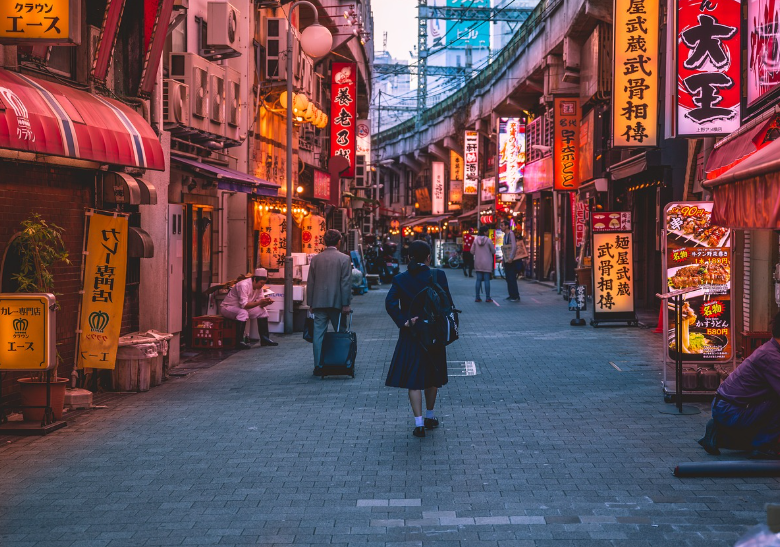
Dotonbori is one of the city’s most popular areas. The streets are filled with restaurants, colorful signs, shops, and people.
Osaka Castle is another well known attraction, while areas such as Umeda offer modern shopping and city views.
Food lovers may want extra time because Osaka has a strong food culture. Local dishes such as takoyaki and okonomiyaki are popular with visitors.
If you are using Osaka as a base for nearby destinations, staying three or four nights can also make sense.
How Many Days Are Enough for Mount Fuji?
Mount Fuji can be visited as a day trip from Tokyo, but staying one or two nights near the mountain can provide a more relaxed experience.
The best length depends on what you want to do.
If you only want to see Mount Fuji and take photographs, a day trip may be enough.
If you want to enjoy lakes, views, hot springs, walking trails, or a traditional Japanese stay, spending a night or two in the area can make the experience more enjoyable.
Weather is also important. Clear views of Mount Fuji are not guaranteed every day, so having extra time can sometimes improve your chances of seeing the mountain clearly.
How Many Days Do You Need for Hiroshima?
Hiroshima can be explored in one or two days.
The city is known for its historical importance and peaceful memorial sites. The Hiroshima Peace Memorial Park and Hiroshima Peace Memorial Museum are major places to visit.
Many travelers also combine Hiroshima with Miyajima, an island known for its beautiful scenery and Itsukushima Shrine.
If you want to visit both Hiroshima and Miyajima, two days can provide a comfortable schedule.
Hiroshima is farther from Tokyo than the popular Tokyo Kyoto Osaka route, so you should consider travel time when adding it to a short itinerary.
How Many Days Do You Need for Nara?
Nara can easily be visited as a day trip from Kyoto or Osaka.
The city is famous for its historic temples, traditional atmosphere, and deer that roam around Nara Park.
A day gives you enough time to see several major attractions and return to your hotel in the evening.
You do not necessarily need to stay overnight in Nara unless you specifically want a slower experience.
For travelers with only seven days in Japan, a Nara day trip can be a practical way to add another destination without changing hotels.
Japan Trip Length Based on Your Travel Style
The ideal number of days also depends on your travel style.
For a Fast Traveler
If you like busy schedules and want to see many attractions, seven to ten days may work.
You can visit Tokyo, Kyoto, and Osaka and possibly add one day trip.
However, you should expect some busy travel days.
For a Relaxed Traveler
If you prefer slow mornings, long meals, photography, shopping, and walking around neighborhoods, 12 to 14 days or more would be better.
Extra days allow you to enjoy Japan without constantly moving from one attraction to another.
For Nature Lovers
Nature lovers may want two or three weeks.
Japan has mountains, forests, lakes, coastal areas, national parks, and rural communities.
A longer trip allows you to move beyond the largest cities and explore different landscapes.
For Food Lovers
Food lovers can enjoy Japan for weeks because every region has its own specialties.
Tokyo, Osaka, Kyoto, Hokkaido, Hiroshima, Fukuoka, and other regions all offer different food experiences.
If food is one of your main reasons for visiting Japan, consider adding extra days rather than creating a very crowded itinerary.
How Many Days Do You Need for a Japan Honeymoon?
Couples planning a Japan honeymoon may want around 10 to 14 days.
A honeymoon does not need to be packed with activities from morning until night. Having free time can make the trip more enjoyable.
You could spend several days in Tokyo, several days in Kyoto, and then visit another destination such as Hakone, Osaka, or the Mount Fuji area.
A slower itinerary also gives couples more opportunities to enjoy Japanese restaurants, traditional accommodations, hot springs, gardens, and evening walks.
Is 5 Days Enough for Japan?
Five days is short, but it is still possible.
The key is to stay in one or two areas.
For example, you could spend the entire five days in Tokyo and take one day trip.
Another option is to divide the trip between Tokyo and Kyoto, although this will involve more travel.
Five days is best treated as an introduction to Japan rather than a complete Japan tour.
Trying to visit Tokyo, Kyoto, Osaka, Hiroshima, and Mount Fuji in five days would make the trip very rushed.
Is 3 Days Enough for Japan?
Three days can work if you have a specific purpose or are visiting Japan as part of a longer international trip.
Tokyo is probably the easiest choice for a three day visit because the city has many attractions and excellent transportation.
You can choose one or two areas each day and avoid spending too much time traveling across the city.
A three day trip will not allow you to see much of Japan, but it can still give you a memorable introduction.
Is 21 Days Too Long for Japan?
No. Three weeks can be an excellent length for travelers who want to explore Japan more deeply.
With 21 days, you can include major cities and less crowded destinations.
You could travel from Tokyo toward Kyoto and Osaka, then continue to Hiroshima or other regions.
You could also spend more time in rural areas.
The biggest advantage of three weeks is flexibility. If you really enjoy a particular place, you can stay longer instead of immediately moving to the next destination.
Why You Should Not Visit Too Many Cities
One common mistake when planning a Japan trip is trying to include every famous destination.
Japan’s transportation system makes it possible to move around efficiently, but transportation still takes time.
Every time you change cities, you need to pack your bags, leave your hotel, travel to the station, take the train, find your new accommodation, check in, and settle down.
This can take several hours.
Instead of counting destinations, think about how much time you want to spend experiencing each destination.
Three well planned cities can create a better travel experience than eight cities visited in a hurry.
How to Choose the Right Japan Trip Length
Start by deciding what you most want to experience.
If you want modern city life, focus on Tokyo.
If you want traditional culture, spend more time in Kyoto.
If you love food and nightlife, include Osaka.
If you enjoy history, consider Hiroshima.
If you love mountains and nature, add the Mount Fuji region or another natural destination.
If you want a mixture of everything, 10 to 14 days is a practical starting point.
Your budget is another important factor. More days mean more hotel nights, meals, transportation costs, attraction fees, and other travel expenses.
You should choose a trip length that allows you to enjoy Japan without creating unnecessary financial pressure.
A Sample 10 Day Japan Itinerary
Here is a simple example for first time visitors.
Day 1: Arrive in Tokyo and rest.
Day 2: Explore Asakusa and Ueno.
Day 3: Visit Shibuya and Harajuku.
Day 4: Explore Shinjuku and other Tokyo neighborhoods.
Day 5: Travel from Tokyo to Kyoto.
Day 6: Visit traditional Kyoto attractions.
Day 7: Explore Arashiyama and nearby areas.
Day 8: Take a day trip to Nara.
Day 9: Travel to Osaka and explore Dotonbori.
Day 10: Explore Osaka before departure.
This itinerary is only a starting point. You can change it according to your interests and travel dates.
A Sample 14 Day Japan Itinerary
For a longer trip, you could use the following structure.
Days 1 to 4: Tokyo
Day 5: Mount Fuji area
Days 6 to 8: Kyoto
Day 9: Nara
Days 10 to 11: Osaka
Days 12 to 13: Hiroshima and Miyajima
Day 14: Return or departure
This gives you a wider introduction to Japan while keeping the number of hotel changes manageable.
Tips for Planning the Number of Days
Before booking your Japan trip, check the distance between destinations.
Look at your arrival and departure airports because they can affect your route.
Try to avoid changing hotels every night.
Keep one or two flexible periods in your itinerary.
Do not plan every hour of every day.
Remember that jet lag can affect your first few days.
Allow time for meals, shopping, unexpected discoveries, and simple walks.
Most importantly, plan around your interests rather than trying to copy someone else’s itinerary.
Final Thoughts
So, how many days do you need for a Japan trip?
There is no single answer for every traveler. A three day trip can introduce you to Tokyo, while seven days can give you a taste of Tokyo and Kyoto. Ten days provides a good balance for a first visit, while 14 days allows you to explore several major destinations with more breathing room.
If you have three weeks, you can go beyond the famous cities and discover more of Japan’s regional culture, food, nature, and history.
For many first time visitors, 10 to 14 days in Japan is a comfortable target. It provides enough time to experience major destinations without turning the entire vacation into a race between train stations.
The best Japan trip is not necessarily the one with the most destinations. It is the one that gives you enough time to enjoy the places you choose. Take your time, explore local streets, try different foods, visit cultural sites, and leave some room for unexpected experiences.
Japan has something different around almost every corner, and giving yourself enough time can make the journey much more enjoyable.